
Your Best
Bladder Accumulator Station
Manufacturer

Ningbo ChaoRi – A supplier you can trust with over 40 years of experience

What are the advantages of a bladder accumulator station?

Bladder accumulator stations utilize flexible bladders to separate gas and liquid, achieving efficient energy storage, pressure stabilization, and system protection. They are widely used in hydraulic systems and are an ideal choice for various industrial applications.

Fast Response and
High Efficiency

The bladder structure of the bladder accumulator station can quickly release and absorb energy, making it an ideal choice for dealing with sudden pressure fluctuations and dynamic system demands.

Compact and
Lightweight Design

Bladder accumulator stations have a small footprint, are lightweight, and are easier to install, especially in applications with limited space.

Excellent Shock Absorption and System Protection

Bladder accumulator stations effectively reduce pressure spikes and pulsations, minimize vibration, and protect critical hydraulic components. This not only improves overall system stability and helps extend the service life of pumps, valves, and pipelines, but also reduces maintenance frequency and downtime.

Available Customization Parameters

Ordering Code

NZ — ※₁ × ※₂ / ※₃ — ※₄ 


※₁  :  Quantity of accumulator, expressed in Arabic numerals


※₂  :  Volume of each Bladder accumulator / L


※₃  :  Working pressure of accumulator station / Mpa


※₄  :  Medium : Y-Hydraulic liquid, R-Emulsion

Stucture and Dimension

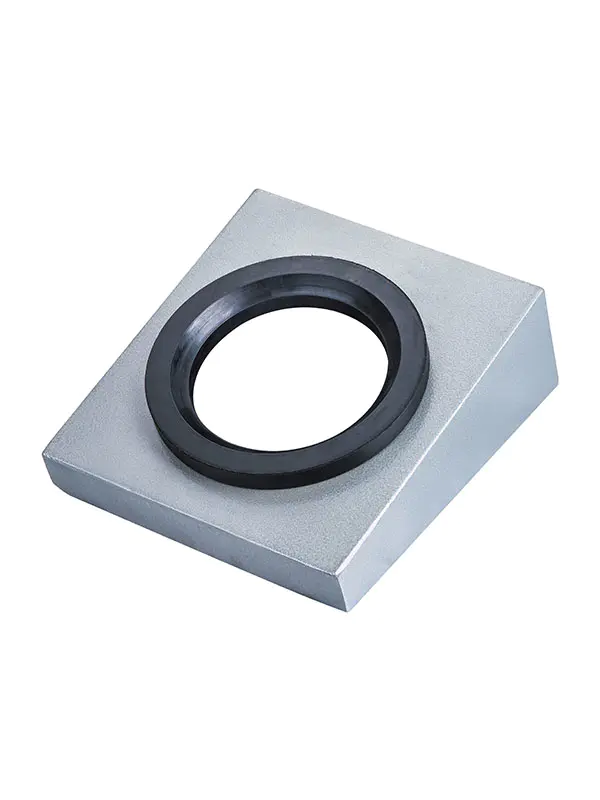
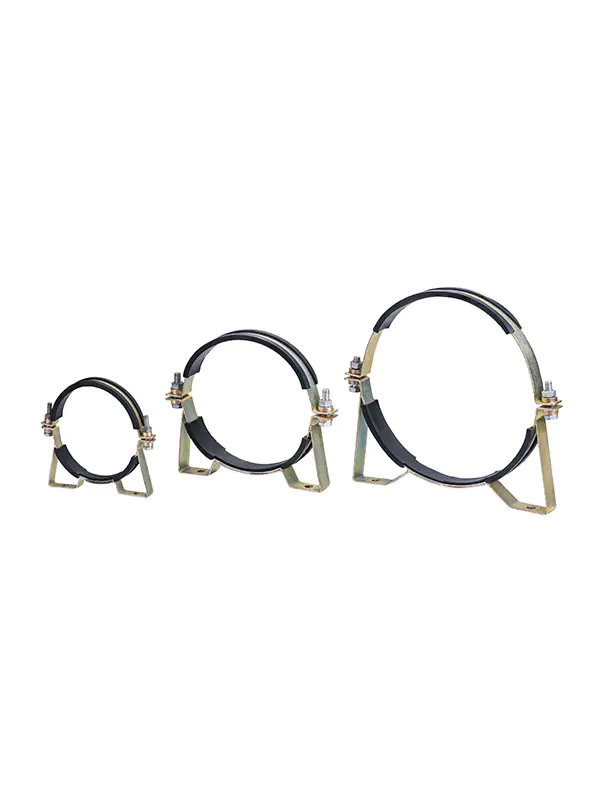
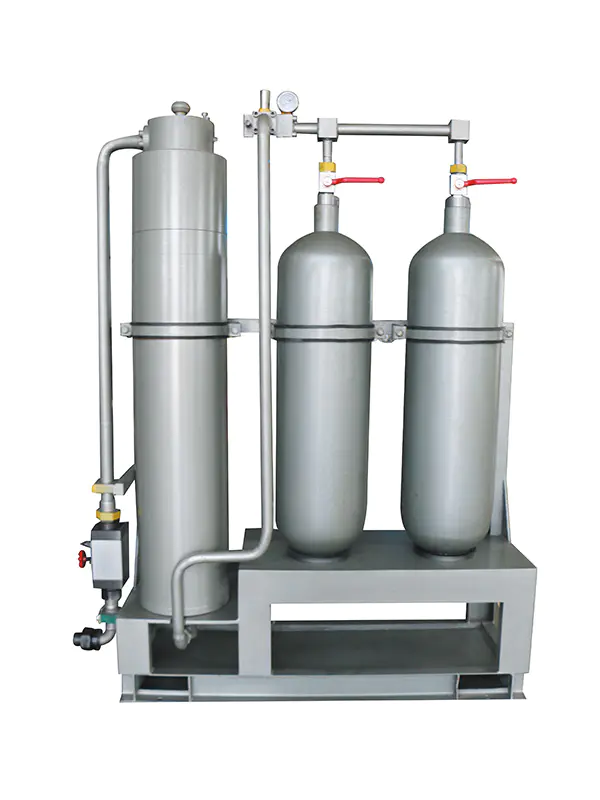
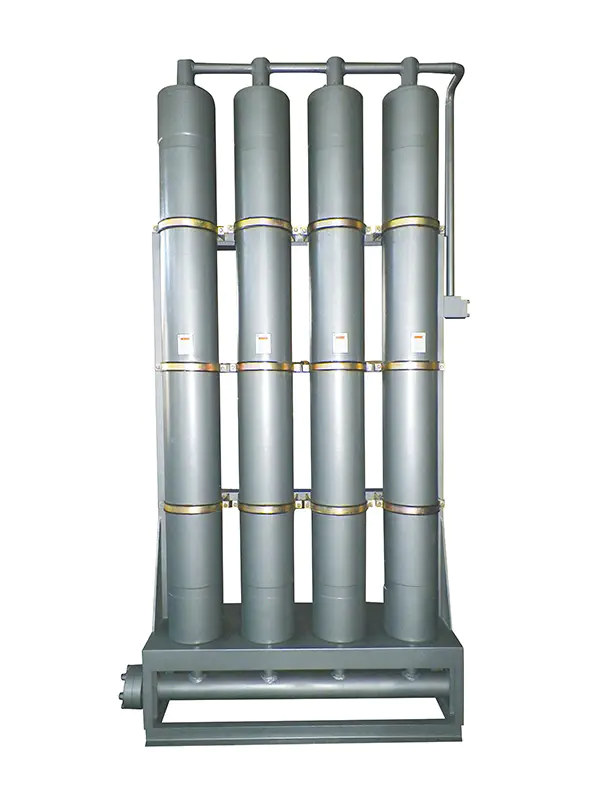
Chaori hydraulic corporation offers series of full bladder type accumulator station which include fixed bolster, bladder type accumulator, control valve group, ball valve, pipeline, oil return pipe, etc.

Bladder Accumulator Station for example 1 Specification: 3 bladder accumulators, each 40L, With safety shutoff valve.

Bladder Accumulator Station for example2 Specification: 8bladder accumulators.each 40L,With safety shutoff valve

BladderAccumulator Station for example 3 Specification: 3 bladder accumulators,each 63L,With safety shutoff valve.

BladderAccumulator Station for example4 Specification: 8 bladder accumulators,each 63L,With safety shutoff valve
Booking Note

ChaoRi Bladder Accumulator Stations in Cooperation

Metallurgy and Heavy Industry

In the metallurgical and heavy industry sectors, bladder accumulator stystems are primarily used for shock absorption and pulsation suppression in high-impact hydraulic systems such as rolling mills and forging equipment. Their rapid response helps reduce pressure peaks, protect critical components, and ensure stable operation under heavy load conditions.

Automation Equipment

Bag accumulator stations provide rapid pressure compensation and energy buffering for high-speed, high-frequency operation. They help maintain stable system pressure, improve motion accuracy, and enhance the overall efficiency of automated production lines.

Energy Sector

Burr accumulator stations are widely used in the energy sector for pressure stabilization and surge suppression in hydraulic systems of wind turbines and oil and gas equipment. They can rapidly absorb and release energy, making them ideal for handling fluctuating loads and ensuring safe and reliable system operation.

Your Premier Accumulator Station Manufacturer

Leveraging 47 Years of Specialized Manufacturing Excellence and Technical Innovation to Power Global Hydraulic Systems.

Security Certification

In 2000, it passed the ISO9001 quality management system certification and holds the Special Equipment Design and Manufacturing License (A1 Class Pressure Vessel) issued by the State Administration for Quality Supervision, Inspection and Quarantine of the People’s Republic of China, license numbers: TS1210417 and TS2210185; the American ASME “U” Class Pressure Vessel Design and Manufacturing Certificate and the European Community CE (B+F) license for implementing the PED Directive.

Our Technical Team

The company boasts a professional team of 15 highly qualified expert engineers and technicians, advanced production equipment, and comprehensive testing methods. Furthermore, in 2005, we established the Ningbo Asahi Hydraulic Accumulator Engineering Technology R&D Center, specifically responsible for new product development.Additionally, the company is a member of the Metallurgical Equipment Supporting Units Committee of the China Iron and Steel Industry Association and a member of the China Hydraulic Pneumatic Seals Industry Association.

Service Advantages

Our company has long provided hydraulic products to industries such as metallurgy, construction machinery, power equipment, automotive, plastics machinery, shipbuilding, aerospace, and military, and our products are highly favored and welcomed by a wide range of users. Adhering to the principle of “integrity first, pursuit of excellence,” we are committed to providing new and existing customers with professional and high-quality energy storage system design and comprehensive selection services.

the working principle of bladder accumulator station

The working principle of a bladder accumulator station is to use a flexible, elastic bladder to separate hydraulic oil from compressed gas (usually nitrogen). Before operation, the bladder is pre-filled with gas at a certain pressure.

When the hydraulic oil enters the accumulator, it compresses the gas inside the bladder and stores energy in the form of pressure. When the system needs additional energy or pressure stabilization, the gas expands and pushes the stored hydraulic oil back into the hydraulic circuit. 

This process allows the accumulator station to respond quickly to pressure fluctuations, absorb shocks, and maintain system stability. Because the hydraulic oil is in direct contact with the bladder, its response speed is extremely fast, making it particularly suitable for dynamic systems with frequently changing loads.

Maintaining a bladder accumulator station typically involves diagnosing problems related to pressure loss, performance degradation, or abnormal system operation.

One of the most common maintenance tasks is replacing damaged or worn bladder accumulators, which may fail due to fatigue, improper pre-charge pressure, or exposure to harsh operating conditions. Before performing any maintenance work, the system must be completely depressurized for safety. Technicians should then inspect internal components, including the housing, valves, and seals, for damage or corrosion, replacing any faulty valves or seals to restore their functionality. After maintenance, the accumulator must be reassembled, recharged to the correct pressure, and tested to confirm proper operation.

Following the manufacturer’s guidelines and using appropriate tools and replacement parts is crucial for ensuring safe and effective maintenance.

Routine checks for proper accumulator station maintenance should include checking the gas precharge pressure and regularly monitoring the accumulator bladder for signs of wear, deformation, or leaks. Incorrect pressure can significantly impact performance and efficiency, while accumulator bladder damage can lead to system failure.

Additionally, hydraulic joints, valves, and seals must be checked for leaks and tightened or replaced as necessary. Finally, ensure the hydraulic oil is clean and free of contaminants, as impurities can damage internal components and reduce operating efficiency.

A regular maintenance schedule, including periodic testing and calibration, helps identify potential problems early and minimizes downtime. Following proper maintenance procedures can significantly extend the accumulator’s lifespan.

More About
Bladder Accumulator Stations

FAQ

1. What is the main function of a bladder accumulator station?

Bladder accumulator stations are designed to store hydraulic energy, stabilize system pressure, absorb shocks, and compensate for fluid volume changes. They play a crucial role in improving system efficiency, protecting components, and ensuring the smooth operation of dynamic hydraulic systems.


2. Why is nitrogen used for pre-charging?

Nitrogen is an inert and stable gas, making it safe and reliable for accumulator pre-charging. It does not react with hydraulic fluids and maintains consistent performance under varying temperatures and pressures, ensuring long-term system stability.


3. How often should a bladder accumulator station be maintained?

Routine maintenance is typically recommended every 3 to 6 months, depending on operating conditions. Key checks include verifying pre-charge pressure, inspecting the bladder condition, and ensuring there are no leaks in valves or connections. Regular maintenance helps prevent failures and extends service life.


4. What are common signs of bladder failure?

Common indicators include loss of pressure, reduced system performance, slow response, or hydraulic fluid entering the gas side. Unusual noise or frequent pressure fluctuations may also signal internal damage. In such cases, inspection and bladder replacement are required.


product inquiry

Share your accumulator requirements for a specialized solution or engineering support.