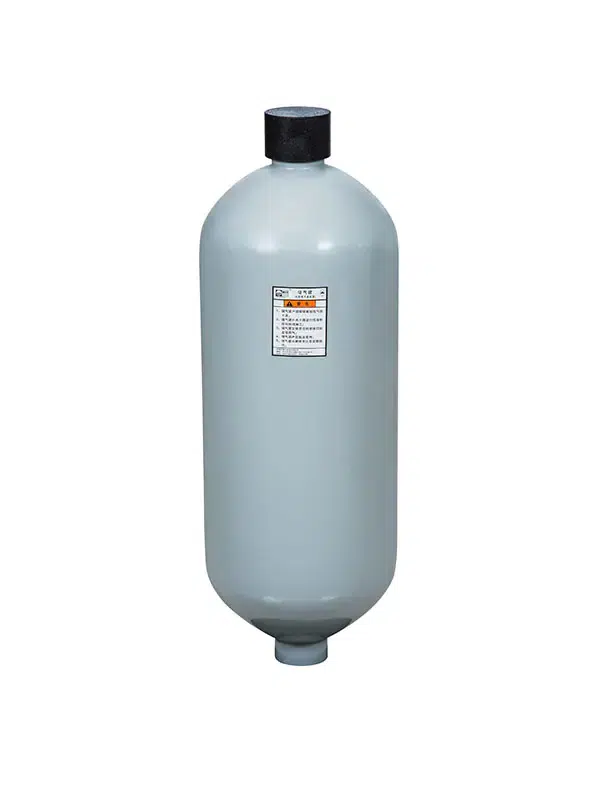
A pressure accumulator stores energy and keeps pressure steady in a hydraulic system. It holds pressurized fluid in reserve, then releases it when demand increases. This single component performs five main jobs: it stores energy, steadies pressure, absorbs shocks, provides backup power, and makes up for internal leaks. Each function protects system pressure, helps the pump last longer, and keeps the system ready to respond.
Key Takeaways
- A pressure accumulator stores energy and stabilizes pressure, helping the hydraulic system run smoothly and save energy.
- It absorbs sudden pressure spikes and provides backup power to protect the system from damage.
- Selecting the right accumulator type and size ensures the best efficiency and safety.
How a Pressure Accumulator Serves the System

Storing Energy and Stabilizing Pressure
A pressure accumulator works like a battery for hydraulic power. It maintains a reserve of fluid by storing it under pressure against a gas charge. In a bladder design, nitrogen is compressed as fluid enters, and the nitrogen pressure pushes back to keep the hydraulic fluid pressurized. When demand spikes, the gas expands and forces fluid back into the circuit.
This balancing act lets the system run smoothly without constant pump operation, saving energy and reducing wear. It also allows a smaller pump to serve peak loads. The accumulator acts as a pressure reservoir on the high-pressure side. It releases stored energy when several components move at once, minimizing pressure fluctuations.
Because it holds pressure during minor internal leaks, the pump does not cycle on and off continuously, which prevents pump damage caused by overwork. Industry data indicates that accumulators capture surplus hydraulic energy that pumps would otherwise convert to heat, cutting electrical consumption by 20–50% in cycling applications.
Damping Shock and Covering Leakage
Sudden load changes create pressure transients that can exceed 3,000 PSI in milliseconds. These spikes can damage seals, burst hoses, and fracture metal parts. A pressure accumulator absorbs shocks instantly. It soaks up the energy of pressure spikes to prevent water hammer, and when placed close to the pump with a non-return valve, it absorbs pump pulsations and protects the pipework.
Stored energy also provides backup power. If the pump fails, the accumulator can move a machine to a safe position until power returns. Finally, it compensates for thermal expansion and minor leakage. The accumulator makes up for fluid contraction during cooling and prevents rigid plumbing from rupturing when heat expands the fluid. The table below summarizes these two secondary roles.
| Function | Description |
|---|---|
| Thermal expansion compensation | Accommodates volume changes in hydraulic fluid due to temperature shifts |
| Leakage compensation | Maintains pressure temporarily to offset small internal leakage in valves or actuators |
Sizing matters here. The unit must store enough fluid above its precharge pressure to cover these demands. Proper energy retainment depends on correct gas charging and regular inspection.
Accumulator Types and Applications

Bladder, Piston, Diaphragm, and Stainless Steel
Each accumulator design fits a different job. The bladder accumulator type works well for compact, fast-response tasks in high-pressure energy storage, shock absorption, and leak compensation. The piston accumulator type handles high capacity, high pressure, and large flows in heavy-duty work such as hydraulic presses. Diaphragm units serve small, sensitive, well-sealed precision needs at both low and high pressures. For large systems, accumulator stations bring energy storage and pressure management together.
| Type | Best Fit |
|---|---|
| Bladder | Compact, fast response, high pressure |
| Piston | High capacity, large flow, heavy duty |
| Diaphragm | Small volume, precise control |
| Station | Centralized storage and pressure control |
Matching Type to Application
Selection starts with the job. A unit that must store hydraulic fluid under pressure for peak demand needs enough usable volume. A unit that damps shock needs fast response. Buyers should check the maximum working pressure, fluid volume, temperature range, and cycle timing before ordering.
Correct precharge pressure matters too; industry standards advise setting it near 80% to 90% of minimum working pressure. The application then guides the choice. Agricultural and heavy-duty machinery favor bladder units for shock control. Wind power and marine/offshore systems value compact, corrosion-resistant designs. Steel and heavy industry rely on piston units for large flows.
Manufacturers like Chaori Hydraulic have supplied these systems since 1978, offering bladder, piston, diaphragm, and stainless steel units, alongside supporting accessories such as nitrogen charging tools and safety valve blocks. Matching the right accumulator to the specific system pressure and flow needs is the key to unlocking real efficiency and safety gains.
FAQs
How does a buyer choose the right accumulator size?
Size depends on how much fluid is needed for peak demand, the maximum working pressure, and the cycle timing. The unit must hold enough hydraulic fluid above its gas charge to cover each job.
What precharge pressure works best?
Industry standards advise setting precharge pressure near 80% to 90% of the minimum working pressure. Correct charging lets the nitrogen pressure balance the circuit and keeps system pressure steady.
How often should someone inspect hydraulic accumulators?
Check the gas charge regularly and inspect the bladder or piston for wear. A correct charge protects system pressure, supports supplemental pump flow, and keeps the accumulator ready to respond.