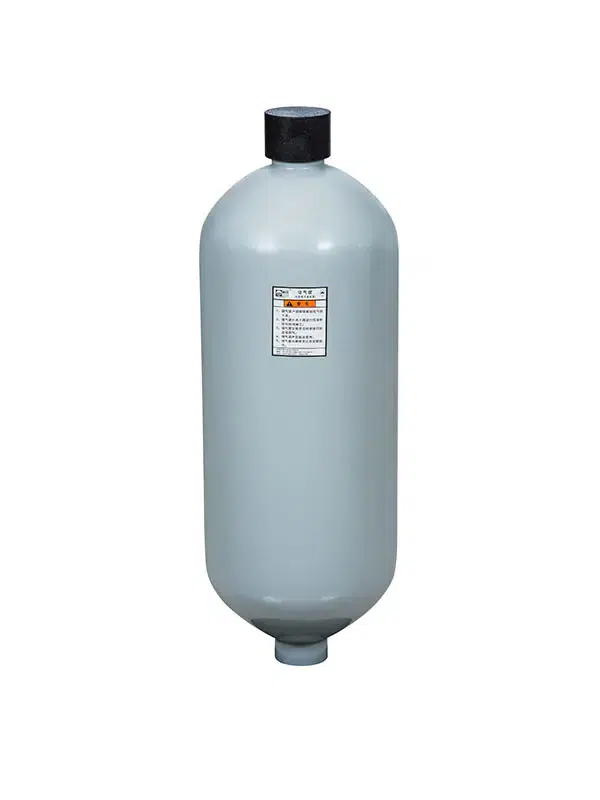
A hydraulic accumulator is an essential component in fluid power systems that helps regulate pressure, store hydraulic energy, and maintain stable system performance. By absorbing pressure fluctuations and supplying additional hydraulic fluid during peak demand, hydraulic accumulators improve system reliability while protecting pumps, valves, cylinders, and other critical components from hydraulic shock. Whether used in construction machinery, manufacturing equipment, mining, marine systems, or hydraulic presses, selecting the right accumulator improves pressure regulation, reduces equipment stress, and supports long-term hydraulic efficiency.
Unlike a hydraulic reservoir, which simply stores fluid, a hydraulic accumulator stores pressurized energy that can be released instantly whenever the hydraulic system requires additional flow or pressure. This capability makes accumulators indispensable in modern hydraulic circuits where stable pressure and reliable system response are critical.lic fluid power safety requirements, while accumulator pressure vessels may comply with applicable ASME requirements depending on product design.

What Is a Hydraulic Accumulator?
A hydraulic accumulator is a pressure storage device that temporarily stores hydraulic energy by compressing nitrogen gas inside a sealed pressure vessel. When the hydraulic pump delivers hydraulic oil into the accumulator, the gas compresses and stores potential energy. When system pressure decreases or additional flow is required, the compressed gas pushes the stored hydraulic oil back into the hydraulic circuit.
Hydraulic accumulators are commonly used to:
- Stabilize hydraulic pressure
- Absorb hydraulic shock and pulsation
- Compensate for temporary flow demand
- Store emergency hydraulic energy
- Reduce pump cycling
- Protect hydraulic components from pressure spikes
Hydraulic system design generally follows internationally recognized engineering practices, including ISO 4413 for hydraulic fluid power safety requirements, while pressure vessels may comply with applicable ASME Boiler and Pressure Vessel Code (BPVC) requirements depending on product design and regional regulations.
Why Are Hydraulic Accumulators Important?
Pressure fluctuations naturally occur whenever pumps start, valves shift, cylinders reverse direction, or hydraulic loads change suddenly. Without pressure compensation, these fluctuations may increase vibration, accelerate component wear, and reduce overall system stability.
A properly selected hydraulic accumulator acts as a hydraulic energy buffer by automatically storing surplus hydraulic energy and releasing it whenever system demand temporarily exceeds pump capacity. Rather than increasing pump size, many hydraulic systems use accumulators to maintain stable operating pressure while reducing mechanical stress on critical components.
Hydraulic Accumulator Selection Parameters
Choosing the correct hydraulic accumulator involves more than matching the system pressure. Engineers normally evaluate multiple operating parameters before determining the appropriate accumulator type and size.
Key Engineering Parameters
| Parameter | Engineering Purpose |
|---|---|
| Maximum Working Pressure | Determines pressure vessel rating |
| Minimum Operating Pressure | Defines usable pressure range |
| Required Oil Volume (ΔV) | Determines storage capacity |
| Pre-charge Pressure (P0) | Influences available discharge volume |
| Operating Temperature | Affects gas pressure characteristics |
| Cycle Frequency | Influences accumulator sizing |
| Installation Space | Determines accumulator configuration |
Gas-charged accumulators are typically pre-charged with dry nitrogen, which is chemically stable, non-flammable, and compatible with hydraulic oil. Proper accumulator sizing improves pressure stability, minimizes unnecessary pump cycling, and extends the service life of hydraulic components.
Basic Hydraulic Accumulator Sizing Principles
Accumulator sizing is generally based on the compression behavior of nitrogen gas. Under simplified isothermal conditions, engineers commonly apply Boyle’s Law:
P₁V₁ = P₂V₂
Where:
- P = Gas Pressure
- V = Gas Volume
During engineering design, additional factors—including oil discharge volume (ΔV), temperature variation, operating cycle, and safety margin—should also be considered. Final accumulator sizing should always be verified using the manufacturer’s engineering data and application requirements rather than relying solely on simplified calculations.
How Hydraulic Accumulators Work
A hydraulic accumulator consists of a pressure vessel divided into two chambers. One chamber contains hydraulic oil, while the other contains pre-charged nitrogen gas separated by a bladder, piston, or diaphragm.
When hydraulic oil enters the accumulator, the nitrogen compresses and stores hydraulic energy. Once system pressure decreases, the compressed nitrogen expands and forces hydraulic oil back into the hydraulic circuit.
| Component | Function |
|---|---|
| Pressure Vessel | Contains pressurized hydraulic oil |
| Nitrogen Gas | Stores hydraulic energy |
| Bladder / Piston / Diaphragm | Separates gas from hydraulic oil |
| Hydraulic Oil | Transfers hydraulic power |
This operating principle allows hydraulic accumulators to react almost instantly to pressure fluctuations while maintaining stable hydraulic performance.
How Accumulators Help Regulate Pressure
Energy Storage
During normal operation, the hydraulic pump charges the accumulator by delivering excess hydraulic oil into the pressure vessel. Instead of wasting excess hydraulic energy, the accumulator stores it for later use.
Whenever hydraulic demand temporarily exceeds pump output, the accumulator immediately supplies additional hydraulic flow, reducing pressure drop and supporting continuous machine operation.
Pressure Stabilization
Hydraulic pumps naturally generate pressure fluctuations during operation. Hydraulic accumulators absorb these fluctuations before they reach sensitive hydraulic components, helping maintain a smoother pressure profile throughout the hydraulic circuit.
Stable hydraulic pressure reduces vibration and minimizes mechanical stress on pumps, valves, cylinders, pipelines, and sealing components.
Shock and Pulsation Dampening
Rapid valve switching, actuator movement, or pump pulsation may generate transient hydraulic shock. Accumulators absorb these sudden pressure spikes before they propagate through the hydraulic circuit, helping protect equipment from premature wear and improving long-term operating reliability.
Practical Engineering Recommendations
For the fastest pressure response, accumulators are generally installed as close as practical to pumps, valve manifolds, or hydraulic actuators. Excessive pipe length may increase pressure loss and reduce accumulator response efficiency.
Engineering best practices also include:
- Keep hydraulic piping as short as practical.
- Install accumulators where maintenance access is available.
- Protect the pressure vessel from excessive vibration.
- Periodically inspect nitrogen pre-charge pressure.
- Verify sealing components during routine maintenance.
Types of Hydraulic Accumulators
Selecting the appropriate accumulator depends on operating pressure, discharge volume, response speed, installation space, and application requirements.
| Type | Advantages | Typical Applications |
|---|---|---|
| Bladder Accumulator | Fast response and excellent shock absorption | Construction equipment, mobile hydraulics, mining machinery |
| Piston Accumulator | Large oil capacity and high-pressure capability | Steel mills, marine systems, heavy industrial equipment |
| Diaphragm Accumulator | Compact structure and reliable sealing | Hydraulic control circuits, compact power units |
Bladder Accumulators
Bladder accumulators use an elastic rubber bladder to separate hydraulic oil from nitrogen gas. Their rapid response makes them the preferred choice for shock absorption, pulsation dampening, and temporary hydraulic energy storage in dynamic hydraulic systems.
Piston Accumulators
Piston accumulators separate hydraulic oil and nitrogen using a floating piston. They are widely used in applications requiring larger discharge volumes, higher operating pressures, and longer service life under demanding industrial conditions.
Diaphragm Accumulators
Diaphragm accumulators utilize a flexible diaphragm to separate hydraulic oil from nitrogen gas within a compact pressure vessel. Their compact size makes them ideal for hydraulic systems with limited installation space while still providing reliable pressure stabilization and energy storage.
Key Benefits of Hydraulic Accumulators
Hydraulic accumulators provide benefits beyond energy storage. By stabilizing pressure, absorbing hydraulic shock, and supplementing hydraulic flow, they improve overall system performance while reducing unnecessary stress on critical components.
Improved Hydraulic Efficiency
Rather than increasing pump capacity to satisfy occasional peak demand, a hydraulic accumulator temporarily supplies additional hydraulic oil when required. This reduces pressure fluctuation, minimizes pump cycling, and allows the hydraulic system to operate more efficiently under varying load conditions.
Enhanced Equipment Protection
Pressure spikes and hydraulic shock can significantly increase wear on pumps, valves, cylinders, pipelines, and sealing components. By absorbing these transient pressure changes, hydraulic accumulators reduce mechanical impact throughout the hydraulic circuit, helping extend component service life and improve equipment reliability.
Emergency Hydraulic Power
If hydraulic pump output is interrupted because of power loss or equipment failure, a charged accumulator can temporarily provide hydraulic energy for emergency movement, controlled shutdown, or safety-related functions. This additional energy reserve helps improve operational safety in many industrial hydraulic systems.
Pressure Compensation
Hydraulic accumulators automatically compensate for pressure loss caused by leakage, thermal expansion, or temporary flow demand. Maintaining more stable system pressure contributes to smoother equipment operation and improved process consistency.
Common Failure Modes and Troubleshooting
Routine inspection can identify common accumulator problems before they affect hydraulic system performance.
| Failure Mode | Possible Cause | Recommended Action |
|---|---|---|
| Pressure Loss | Nitrogen leakage | Check and recharge pre-charge pressure |
| Slow Hydraulic Response | Low pre-charge pressure | Verify nitrogen pressure |
| Oil Leakage | Damaged seals or connections | Replace seals and inspect fittings |
| Excessive Pressure Pulsation | Incorrect accumulator sizing | Recalculate accumulator capacity |
| Reduced Oil Volume | Incorrect pre-charge pressure | Reset according to application requirements |
Early diagnosis and preventive maintenance help minimize unexpected downtime and improve long-term hydraulic reliability.
Maintaining Hydraulic Accumulators
Routine maintenance is essential for maintaining safe operation and consistent hydraulic performance. Maintenance intervals should be determined according to operating conditions, equipment duty cycle, and manufacturer recommendations.
Recommended Inspection Checklist
| Inspection Item | Recommendation |
|---|---|
| Nitrogen Pre-charge Pressure | Inspect periodically |
| Hydraulic Oil | Keep clean and free from contamination |
| Pressure Vessel | Inspect for corrosion, cracks, or deformation |
| Seals and Connections | Check regularly for leakage |
| Mounting Components | Verify secure installation |
Safety Notice
Hydraulic accumulators remain pressurized even after the hydraulic system has been shut down. Before performing inspection, maintenance, or replacement, always isolate the hydraulic circuit and safely release stored hydraulic pressure according to the equipment manufacturer’s procedures.
Only dry nitrogen should be used for gas charging. Oxygen, compressed air, or other gases should never be used because they may create fire, explosion, or equipment damage hazards.
Choosing the Right Hydraulic Accumulator
Selecting the correct accumulator requires evaluating the complete hydraulic system rather than focusing on pressure rating alone.
Engineers should normally evaluate:
- Maximum and minimum operating pressure
- Required discharge volume (ΔV)
- Nitrogen pre-charge pressure (P0)
- Operating temperature
- System response time
- Installation space
- Duty cycle
- Maintenance accessibility
Considering these parameters together helps improve hydraulic efficiency while reducing long-term operating costs.
Typical Application Guide
| Application | Recommended Type | Primary Function |
|---|---|---|
| Hydraulic Press | Bladder Accumulator | Energy storage and pressure stabilization |
| Construction Machinery | Bladder Accumulator | Shock absorption |
| Steel Manufacturing | Piston Accumulator | High-pressure energy storage |
| Marine Hydraulic Systems | Piston Accumulator | Pressure compensation |
| Compact Hydraulic Power Units | Diaphragm Accumulator | Pressure maintenance |
Common Selection Mistakes
The following mistakes are frequently encountered during accumulator selection:
- Selecting an accumulator solely by pressure rating.
- Ignoring required discharge volume.
- Using an incorrect nitrogen pre-charge pressure.
- Selecting the wrong accumulator type for the application.
- Overlooking operating temperature and installation space.
- Neglecting routine inspection after commissioning.
Avoiding these issues helps improve system stability and maximize accumulator service life.
Why Choose Chaori Hydraulic Accumulators
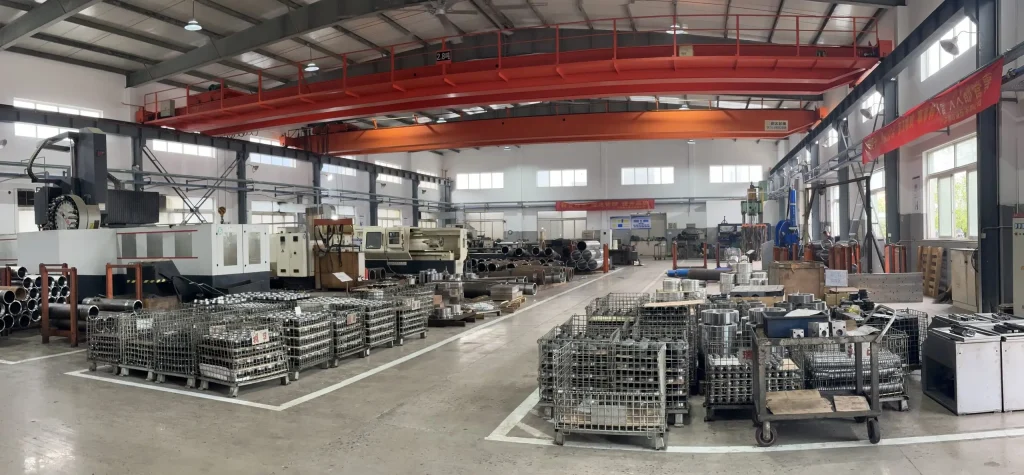
Chaori manufactures a complete range of hydraulic accumulators, including bladder, piston, diaphragm, and customized accumulator solutions for industrial hydraulic systems. Products are designed for demanding applications in construction machinery, metallurgy, marine engineering, mining, and industrial automation.
The company operates an ISO 9001 certified quality management system, while selected products comply with internationally recognized standards including ASME and CE. Continuous manufacturing improvement and engineering support enable Chaori to provide reliable hydraulic accumulator solutions for global customers.
For model selection, pressure ratings, installation guidance, and technical specifications, always refer to the latest official product documentation before finalizing an accumulator configuration.
Conclusion
Hydraulic accumulators are far more than simple energy storage devices. They function as critical pressure management components that stabilize hydraulic pressure, absorb shock loads, compensate for temporary flow demand, and improve the reliability of hydraulic systems operating under dynamic conditions.
Selecting the correct accumulator requires considering operating pressure, discharge volume, pre-charge pressure, application requirements, and installation conditions together rather than relying on a single parameter. Proper sizing, correct installation, and regular maintenance all contribute to safe operation and consistent long-term performance.
Application Notice
The recommendations provided in this guide apply to general industrial hydraulic systems. Final accumulator selection should always be confirmed according to the equipment manufacturer’s technical requirements, operating conditions, applicable engineering standards, and local safety regulations.
Frequently Asked Questions
What does a hydraulic accumulator do?
A hydraulic accumulator stores pressurized hydraulic energy and releases it when additional hydraulic flow or pressure is required. It helps stabilize system pressure, absorb hydraulic shock, compensate for leakage, and provide temporary emergency power.
Why is nitrogen used in hydraulic accumulators?
Dry nitrogen is chemically stable, non-flammable, and does not react with hydraulic oil under normal operating conditions. It also provides predictable compression characteristics, making it the preferred gas for hydraulic accumulators.
How is a hydraulic accumulator selected?
Accumulator selection is generally based on maximum operating pressure, required oil discharge volume (ΔV), pre-charge pressure (P0), operating temperature, installation space, and duty cycle. Final sizing should be verified using manufacturer engineering data.
What happens if the pre-charge pressure is too low?
Insufficient pre-charge pressure reduces the available hydraulic energy, increases bladder or piston movement, and may shorten accumulator service life due to excessive mechanical stress.
What happens if the pre-charge pressure is too high?
Excessive pre-charge pressure reduces usable oil volume and may prevent the accumulator from delivering the required hydraulic flow, affecting pressure regulation and overall system performance.
How often should a hydraulic accumulator be inspected?
Routine inspection should include nitrogen pre-charge pressure, hydraulic oil cleanliness, pressure vessel condition, seals, and hydraulic connections. Inspection frequency should be determined according to operating conditions and manufacturer recommendations.