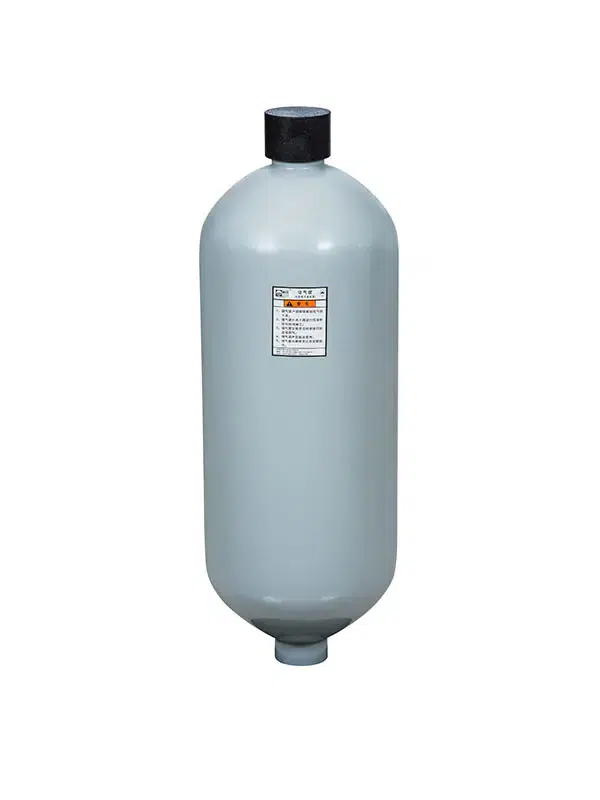
Hydraulic accumulators are essential components in modern hydraulic systems, providing energy storage, pressure stabilization, shock absorption, and emergency power when demand exceeds pump capacity. However, an accumulator can only deliver reliable performance when it is correctly precharged with dry nitrogen. This makes an accumulator nitrogen charging device an indispensable maintenance tool for manufacturers, maintenance engineers, hydraulic system integrators, and industrial equipment distributors.
An accumulator nitrogen charging device is designed to safely fill hydraulic accumulators with nitrogen while accurately measuring and adjusting the precharge pressure. Proper charging improves system efficiency, extends component life, reduces pressure fluctuations, and helps prevent unexpected equipment failures. According to ISO 4413, hydraulic systems should always be depressurized before maintenance, and servicing pressurized components should follow both manufacturer instructions and applicable safety standards.
This guide explains how accumulator nitrogen charging devices work, why nitrogen is the preferred charging gas, how to safely charge an accumulator, and the maintenance practices that help maximize hydraulic system reliability.
What Is an Accumulator Nitrogen Charging Device?
An accumulator nitrogen charging device is a specialized service tool used to charge, inspect, and adjust the gas pressure inside hydraulic accumulators. It provides a safe connection between a nitrogen cylinder and the accumulator gas valve while allowing technicians to accurately monitor gas pressure during charging and maintenance.
A standard charging kit typically includes:
- Pressure gauge
- Pressure regulating valve
- Charging hose
- Gas valve connector
- Bleed valve
- Adapter set for different accumulator models
Unlike general-purpose gas regulators, accumulator charging kits are specifically designed for hydraulic equipment and provide precise pressure control to protect internal accumulator components.
Using the correct charging equipment offers several advantages:
- Accurate precharge pressure adjustment
- Reduced risk of overcharging
- Safe gas release during maintenance
- Improved maintenance efficiency
- Better protection of bladder, piston, or diaphragm assemblies
Because gas valve designs vary between manufacturers, technicians should always verify that the charging adapter matches the accumulator valve specification before beginning maintenance.
How Does a Hydraulic Accumulator Work?
A hydraulic accumulator stores hydraulic energy by compressing nitrogen gas inside a sealed chamber. Hydraulic oil and nitrogen are separated by a flexible bladder, a floating piston, or a diaphragm, depending on the accumulator design. This separation prevents direct contact between hydraulic fluid and gas while allowing pressure to be transferred efficiently.
The operating principle follows Boyle’s Law, which states that the pressure of a gas increases as its volume decreases when temperature remains relatively constant. As hydraulic fluid enters the accumulator, the nitrogen chamber is compressed, storing energy. When system pressure drops or additional flow is required, the compressed nitrogen expands and forces hydraulic oil back into the hydraulic circuit.
This continuous charging and discharging process enables the accumulator to:
- Store hydraulic energy
- Stabilize system pressure
- Compensate for internal leakage
- Reduce pump cycling
- Absorb pressure shocks
- Dampen pulsation
- Provide emergency hydraulic power
Because nitrogen behaves predictably under compression, accumulators can repeatedly store and release energy with excellent reliability over thousands of operating cycles.
It is important to remember that gas pressure changes with temperature. Immediately after charging, nitrogen temperature rises because of gas compression, resulting in temporarily higher pressure readings. For this reason, Parker Hannifin and other accumulator manufacturers recommend allowing the gas pressure to stabilize before recording the final precharge pressure.

Why Is Nitrogen Used Instead of Air?
One of the most common questions about hydraulic accumulators is why only nitrogen should be used for charging.
The answer is based on both engineering performance and safety.
Nitrogen is an inert, dry, non-combustible gas that does not react with hydraulic oil or accumulator materials. This chemical stability minimizes oxidation, corrosion, and contamination, helping hydraulic systems maintain consistent performance over long service periods.
Compressed air, however, contains both oxygen and moisture. Moisture promotes internal corrosion, while oxygen accelerates hydraulic oil oxidation, reducing lubricant performance and shortening component life.
More importantly, oxygen should never be used for charging hydraulic accumulators. Under high pressure, oxygen can react violently with hydraulic oil or grease, creating a significant fire or explosion hazard.
International hydraulic safety practices therefore recommend using only clean, dry nitrogen for accumulator charging. Major manufacturers such as Parker, Bosch Rexroth, and HYDAC also specify nitrogen as the only approved charging gas for their hydraulic accumulators.
The advantages of nitrogen include:
- Excellent chemical stability
- Predictable compression characteristics
- Long service life
- Consistent pressure performance
- Improved equipment reliability
- Enhanced operational safety
Using dry nitrogen not only improves accumulator performance but also helps reduce maintenance costs and extend the service life of hydraulic components.
Types of Hydraulic Accumulators
Hydraulic accumulators are available in several configurations. Selecting the correct type depends on operating pressure, response speed, fluid volume, installation space, and system requirements.
Bladder Accumulator
Bladder accumulators are the most widely used design in industrial hydraulic systems. A flexible rubber bladder separates nitrogen from hydraulic oil, allowing rapid response to pressure changes.
Their key advantages include:
- Fast response time
- Excellent shock absorption
- Effective pulsation damping
- Simple maintenance
- High operating efficiency
Bladder accumulators are commonly used in construction equipment, agricultural machinery, injection molding machines, machine tools, and mobile hydraulic systems.
Piston Accumulator
Piston accumulators use a floating piston to separate hydraulic oil from nitrogen gas.
Compared with bladder accumulators, they offer:
- Higher pressure capability
- Larger fluid capacity
- Better performance in large hydraulic systems
- Excellent durability under heavy-duty conditions
Typical applications include mining equipment, offshore machinery, steel mills, marine hydraulics, and energy industries.
Diaphragm Accumulator
Diaphragm accumulators use a flexible diaphragm instead of a bladder or piston. Their compact design makes them suitable for systems where installation space is limited.
They are widely used in:
- Robotics
- Automotive hydraulic systems
- Compact hydraulic power units
- Industrial automation equipment
Although their fluid capacity is relatively small, diaphragm accumulators respond very quickly to pressure changes, making them ideal for precision hydraulic applications.
Choosing the Right Accumulator
Selecting the appropriate accumulator requires more than simply choosing a pressure rating. Engineers should evaluate several operating conditions before selecting a model.
Key considerations include:
- Maximum and minimum operating pressure
- Required fluid volume
- System flow rate
- Operating temperature
- Installation orientation
- Available installation space
- Response speed
- Maintenance requirements
Bladder accumulators are generally preferred for rapid pressure compensation and shock absorption, while piston accumulators are more suitable for applications involving high pressure and large fluid volumes.
Working with an experienced hydraulic supplier can help ensure the accumulator is correctly sized for the application, improving system efficiency while reducing long-term maintenance costs.
How to Safely Charge an Accumulator with Nitrogen
Correct charging procedures are essential for ensuring accumulator performance, operator safety, and long service life. Before performing any maintenance, always consult the accumulator manufacturer’s service manual to confirm the recommended precharge pressure, charging procedure, and gas valve specification.
According to ISO 4413, hydraulic systems should be fully depressurized before maintenance begins. Never attempt to service or charge a pressurized accumulator.
Step 1: Prepare the Hydraulic System
Before connecting the charging device:
- Shut down the hydraulic power unit.
- Lock out the hydraulic system if required by plant procedures.
- Isolate the accumulator from the hydraulic circuit whenever possible.
- Release all hydraulic pressure.
- Verify zero pressure using the system pressure gauge.
- Wear appropriate PPE, including safety glasses and protective gloves.
A properly prepared system significantly reduces the risk of accidental pressure release during maintenance.
Step 2: Connect the Charging Device
Inspect the charging kit before use to ensure that all components are clean and undamaged.
Then:
- Connect the charging adapter to the accumulator gas valve.
- Connect the charging hose to the pressure regulator.
- Ensure the bleed valve is fully closed.
- Securely connect the regulator to the nitrogen cylinder.
- Slowly open the nitrogen cylinder valve.
Always verify that the charging adapter matches the accumulator gas valve specification. Incorrect adapters may damage the valve threads, cause leakage, or produce inaccurate pressure readings.
Step 3: Charge with Dry Nitrogen
Increase the nitrogen pressure gradually.
Avoid rapid filling, as compressed gas generates heat that temporarily increases pressure readings and may place unnecessary stress on the bladder or diaphragm.
After charging, allow the nitrogen temperature to stabilize for approximately 10–15 minutes before recording the final pressure. This waiting period improves measurement accuracy and is recommended by several leading accumulator manufacturers.
Never use oxygen, compressed air, or any gas other than dry nitrogen.
Step 4: Verify the Precharge Pressure
After the pressure has stabilized, compare the measured value with the manufacturer’s specified precharge pressure.
If adjustment is required:
- Add nitrogen slowly if pressure is too low.
- Release gas through the bleed valve if pressure is too high.
Never release pressure by loosening fittings or disconnecting hoses while the charging system remains pressurized.
Step 5: Disconnect and Inspect
After charging:
- Close the nitrogen cylinder valve.
- Release pressure from the charging hose using the bleed valve.
- Disconnect the charging equipment.
- Reinstall protective caps.
- Inspect the gas valve for leakage using an approved leak detection solution.
Finally, restart the hydraulic system and verify stable operating pressure.

Recommended Precharge Pressure
The correct precharge pressure depends on accumulator type, operating pressure, application requirements, temperature, and manufacturer recommendations.
The following values are intended only as general guidance.
| Parameter | Typical Recommendation* |
|---|---|
| Charging Gas | Dry nitrogen |
| Bladder accumulator | 80–90% of minimum operating pressure |
| Piston accumulator | Slightly below minimum operating pressure |
| Pressure stabilization time | 10–15 minutes |
| Inspection interval | Monthly |
*Always follow the accumulator manufacturer’s specifications for your equipment.
Pressure Verification and Calibration
Accurate pressure measurement is essential for reliable accumulator performance.
Before maintenance:
- Verify that the pressure gauge has been calibrated according to the manufacturer’s recommended interval.
- Perform measurements at a stable ambient temperature whenever possible.
- Allow the gas temperature to stabilize before recording the final pressure.
- Compare measured values with the manufacturer’s specified precharge pressure.
Using an incorrectly calibrated pressure gauge may lead to inaccurate charging, reduced accumulator efficiency, or premature component wear.
Safety Checklist Before Charging
Before charging an accumulator, confirm the following:
| Safety Check | Status |
|---|---|
| Hydraulic pressure completely released | ✓ |
| Nitrogen cylinder securely fastened | ✓ |
| Correct charging adapter installed | ✓ |
| Charging hose inspected | ✓ |
| Pressure gauge calibrated | ✓ |
| PPE worn | ✓ |
| Manufacturer’s precharge specification confirmed | ✓ |
Completing this checklist helps reduce maintenance errors and improves operator safety.
Common Mistakes to Avoid
Many accumulator failures result from improper maintenance rather than manufacturing defects.
Common mistakes include:
Using Compressed Air
Compressed air introduces oxygen and moisture into the hydraulic system, increasing the risk of corrosion and oxidation.
Only dry nitrogen should be used.
Charging Too Quickly
Rapid charging produces inaccurate pressure readings because gas temperature rises during compression.
Always charge slowly and allow sufficient stabilization time.
Ignoring Regular Inspection
Nitrogen pressure naturally decreases over time because of gas permeation and minor leakage.
Routine inspections help detect pressure loss before system performance is affected.
Using Incorrect Charging Equipment
Improvised adapters or damaged charging hoses may damage the accumulator valve or create dangerous gas leaks.
Always use charging equipment compatible with the accumulator model.
Maintenance and Troubleshooting
Routine maintenance helps maximize accumulator life while reducing unplanned downtime.
A typical maintenance schedule includes:
| Inspection Item | Recommended Interval |
|---|---|
| Check precharge pressure | Monthly |
| Inspect gas valve | Every 3–6 months |
| Inspect charging hose | Every 6 months |
| Complete accumulator inspection | Annually |
Signs of Bladder Failure
Inspect the accumulator immediately if any of the following symptoms appear:
- Frequent nitrogen pressure loss
- Hydraulic oil leaking from the gas valve
- Reduced accumulator capacity
- Increased hydraulic pump cycling
- Frequent pressure spikes
- Abnormal system vibration
These symptoms often indicate bladder damage or internal leakage and should be investigated before the equipment returns to service.
Practical Industrial Example
A hydraulic press experienced unstable operating pressure and excessive pump cycling during continuous production. Routine inspection revealed that the accumulator precharge pressure had gradually fallen below the manufacturer’s recommended value because of normal nitrogen loss.
After recharging the accumulator with dry nitrogen and restoring the specified precharge pressure, system pressure became stable, pump cycling decreased, and production returned to normal without replacing any hydraulic components.
This example demonstrates why regular accumulator inspection should be included in every preventive maintenance program.
Why Choose Chaori Hydraulic
Reliable hydraulic performance depends not only on correct maintenance procedures but also on high-quality accumulator components and charging equipment.
With more than 40 years of manufacturing experience, Chaori Hydraulic supplies bladder, piston, and diaphragm accumulators, together with professional nitrogen charging devices designed for demanding industrial applications. Products are manufactured under strict quality control and can be customized to meet different pressure ratings, capacities, and industry requirements.
Choosing reliable equipment and following proper maintenance practices helps reduce downtime, improve operational efficiency, and extend the service life of hydraulic systems.
Conclusion
An accumulator nitrogen charging device is an essential tool for maintaining the performance, safety, and reliability of hydraulic accumulators. Proper nitrogen charging ensures stable pressure, efficient energy storage, and long service life while protecting hydraulic components from unnecessary wear.
By following recommended charging procedures, using calibrated equipment, performing routine inspections, and adhering to manufacturer specifications, maintenance personnel can significantly reduce equipment failures and improve overall hydraulic system performance.
For critical hydraulic applications, always follow the accumulator manufacturer’s service instructions and applicable safety standards before charging or servicing any pressurized hydraulic component.
FAQ
Can an accumulator be charged without removing it from the hydraulic system?
Yes, provided the accumulator can be safely isolated and the hydraulic system has been completely depressurized before charging.
How often should accumulator precharge pressure be checked?
For most industrial applications, monthly inspection is recommended. Equipment operating under severe conditions may require more frequent checks.
What happens if the precharge pressure is too high?
Excessive precharge pressure reduces the accumulator’s usable fluid capacity and may prevent hydraulic oil from entering the accumulator properly.
Why does an accumulator gradually lose nitrogen pressure?
Small pressure losses are normal because of gas permeation and minor valve leakage. Rapid pressure loss usually indicates damaged seals, valve leakage, or bladder failure.
Can compressed air replace nitrogen?
No. Compressed air contains oxygen and moisture, which increase the risks of corrosion, oxidation, and fire. Only clean, dry nitrogen should be used.
How do I know if an accumulator needs recharging?
Common signs include unstable system pressure, increased pump cycling, reduced accumulator capacity, slower hydraulic response, and pressure fluctuations during operation.
References
- ISO 4413: Hydraulic Fluid Power — General Rules and Safety Requirements for Systems and Their Components.
- Parker Hannifin. Accumulator and Cooler Division Technical Manual.
- Bosch Rexroth. Hydraulic Accumulators – Operating Instructions.
- HYDAC. Hydraulic Accumulator Technology Guide.
- Eaton Hydraulics. Hydraulic Accumulator Safety and Maintenance Guidelines.
- ASME Boiler and Pressure Vessel Code (applicable pressure vessel requirements).