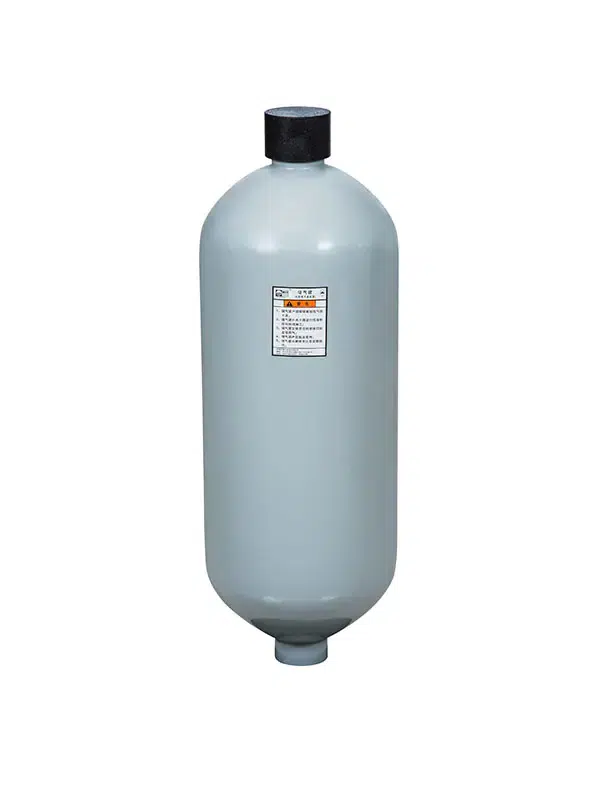
Hydraulic accumulators generally do not require extensive maintenance. When properly selected, correctly installed, and well-maintained, they can provide long-term, reliable service. Nevertheless, some essential maintenance is still necessary. Because these units store high-pressure fluid, regular inspection and maintenance are crucial for ensuring their reliability, efficiency, and safety. For instance, bladder-type accumulators are relatively low-cost and easy to maintain, whereas piston-type accumulators may require more frequent servicing.
Key Takeaways
- Regularly check the pre-charge pressure to ensure optimal accumulator performance and safe operation.
- Replace seals promptly and keep the fluid clean to prevent leaks and damage.
- Selecting the appropriate accumulator and installing it correctly helps reduce maintenance requirements.
Hydraulic Accumulator Maintenance: Core Tasks

Maintaining a hydraulic accumulator in good condition relies on three key factors: regular inspection, ensuring an appropriate pre-charge pressure, and keeping the system clean. These devices use nitrogen gas to apply pressure to hydraulic fluid. In high-pressure environments, even a slight change in the gas pre-charge pressure can affect the accumulator’s ability to store and release hydraulic fluid. According to MCE Automation, an excessively high pre-charge pressure is the most common cause of accumulator failure, potentially leading to a ruptured bladder or wear on the poppet valve. Conversely, a pre-charge pressure that is too low can result in a drop in pressure, system stagnation, and sluggish response times. Bailey International notes that setting the correct pre-charge pressure—typically around 90% of the system pressure—helps maintain the necessary balance between the volume of hydraulic fluid and the gas space.
Inspection and Precharge Checks
A comprehensive maintenance plan should combine routine monitoring with formal inspections. Industrial Monitor Direct recommends checking the pre-charge pressure upon every equipment startup following a scheduled shutdown, or every 90 days—whichever comes first. Additionally, the entire gas-side assembly should undergo a thorough inspection annually. For accumulators that experience high-frequency cycling, operate in extreme high- or low-temperature environments, or have been in service for more than five years, the inspection interval should be shortened. Fabrico recommends an inspection at least once a year; however, if the system operates in high-temperature environments or undergoes frequent cycling, inspections should be conducted every six months. The pre-charge pressure must be verified following any event that could cause system overpressurization, as well as after any maintenance performed on the gas valve. Formal inspections, testing, and recertification must comply with local regulatory requirements. In the United States, the applicable standard is the ASME Boiler and Pressure Vessel Code, Section VIII, Division 1. According to Hydraulics Supermarket, the typical design life of an accumulator is 12 years, with periodic inspections required at the 2-year, 5-year, or 10-year marks. Recertification may include visual inspections, ultrasonic thickness measurements, or hydrostatic testing.
Seals, Recharging, and Cleanliness
The replacement of seals depends on their condition and the operating environment. TechKnow Engineering recommends using seals for a period of 12 to 18 months and replacing them after 2 to 3 years of service. In closed systems operating under extreme pressure and temperature, seals may require replacement within as little as one year. If seals show signs of cracking or hardening, they must be replaced immediately. Exercise extreme caution during charging operations: the hydraulic system must be isolated and depressurized, and personnel must wear safety glasses and gloves. Use only dry nitrogen; the use of oxygen or air is strictly prohibited. Open the nitrogen valve slowly while closely monitoring the pressure gauge; stop charging once the specified pressure is reached, then inspect all connections for leaks. Maintaining cleanliness helps prevent seal wear. Hydraulic fluid should be filtered to 10 microns or finer; filters should be inspected regularly, and fluid cleanliness should be verified through oil sampling. Contamination of the hydraulic fluid can damage seals and lead to leaks.
What Drives Hydraulic Accumulator Maintenance Needs?
Type, Application, and Environment
Maintenance requirements vary significantly across different types of accumulators. Each design is tailored for specific applications and carries its own unique maintenance needs.
- Bladder-type accumulators feature few moving parts; maintenance is generally limited to periodic checks of the pre-charge pressure and scheduled replacement of the bladder. This simple design ensures a relatively low maintenance burden in typical industrial applications.
- Piston-type accumulators are designed for heavy-duty and demanding operating conditions, though the presence of impurities in the working fluid can easily damage their seals. Maintenance is relatively straightforward, typically requiring only the replacement of the piston seals. While the initial acquisition cost for piston-type accumulators is higher, they often offer longer intervals between maintenance sessions when used in harsh environments.
- Diaphragm-type accumulators feature a simple design with minimal moving parts, which enhances reliability and reduces maintenance requirements. Furthermore, they offer excellent resistance to contamination and respond rapidly to pressure fluctuations, making them ideal for cushioning shock loads.
In corrosive environments, accumulators with stainless steel shells perform exceptionally well; the use of specialized materials or coatings can effectively protect the shell from damage.
Different applications and environments impose specific requirements. Agricultural machinery and heavy equipment are frequently exposed to dirt and shock loads; wind power systems must endure frequent pressure cycling; equipment in marine or offshore facilities faces long-term exposure to moisture and high salinity; and the steel and heavy industrial sectors involve high temperatures and contamination. According to TechKnow Engineering, most bladder-type accumulators perform optimally within a temperature range of 32°F to 200°F (approximately 0°C to 93°C); temperature fluctuations can affect the elasticity of the bladder and the gas pressure. Since moisture in the working fluid can lead to corrosion and wear, proper filtration and regular fluid sampling and analysis are essential across all types of applications.
Installation and System Design
A well-designed system can prevent most avoidable maintenance needs. According to Flodraulic, the pre-charge pressure should generally be set at 80%–90% of the system’s minimum operating pressure. This ensures that a small amount of fluid remains in the vessel at all times, preventing the internal moving components—whether in bladder, diaphragm, or piston-type accumulators—from striking the opposite end. Both excessively high and low pre-charge pressures can damage the equipment. When properly designed and maintained, an accumulator can provide long-term, stable operation.
Selecting the right accumulator requires careful consideration. Firgelli Automations recommends adding an extra 10%–25% to the required capacity, depending on the criticality of the application. In low-temperature environments, the actual fluid output of an accumulator may be 10%–15% lower than the theoretical calculation; furthermore, the gas pre-charge pressure can decline by 1%–5% annually. An oversized accumulator leads to sluggish response times and increased costs, while an undersized one causes pressure fluctuations and frequent equipment cycling. Inspection intervals should be based on operating conditions: monthly checks are recommended for high-load applications, while quarterly checks are sufficient for general use.
Installation and charging accessories are essential components of an accumulator system. Chaori Hydraulic, which has been manufacturing and supplying hydraulic accumulators since 1978, offers a comprehensive range of supporting equipment, including nitrogen charging tools, check valves, mounting clamps, brackets, and safety valve assemblies. The company provides bladder, piston, and diaphragm-type accumulators—including stainless steel versions—as well as integrated accumulator stations, with options for customization and wholesale. Their products carry certifications such as ISO9001, ASME, and CE, helping to ensure compliance with regulatory requirements in relevant markets.
Accumulator Maintenance vs. Other Hydraulic Components

Cost and Downtime Comparison
Compared to pumps, valves, and hydraulic cylinders, hydraulic accumulators are relatively “low-maintenance” components. DURAfilter notes that routine maintenance for an accumulator requires only a quarterly check of its pre-charge pressure—a simple 10-minute procedure that involves isolating the unit, releasing the pressure, and reading the nitrogen pressure level. The organization further highlights that accumulators require significantly less maintenance than pumps, valves, or cylinders, making them one of the most reliable hydraulic components. While pumps and valves operate continuously and feature extremely tight internal clearances—necessitating more frequent maintenance—accumulators remain largely static between charge and discharge cycles, resulting in minimal wear.
Regular maintenance is essential to preserving this advantage. TRDSF points out that routine upkeep not only enhances system reliability, safety, and cost-effectiveness, but also extends the service life of the accumulator and helps avoid costly repairs. Hedley-Hyd adds that neglecting maintenance can lead to issues such as nitrogen loss, internal leakage, or seal damage. Such failures can cause pressure fluctuations, increase the load on pumps, and result in energy waste throughout the entire hydraulic system. Therefore, establishing and implementing a maintenance plan not only protects the accumulator itself but also ensures the stable operation of the entire hydraulic system.
Fitting Accumulators Into a Maintenance Plan
A practical plan rests on three habits: scheduled inspection, logged pre-charge tracking, and trained staff. Hedley-Hyd recommends the following approach.
| Category | Guidance |
|---|---|
| Scheduling | Visual checks monthly or quarterly; gas pre-charge check every 6 to 12 months; internal inspection every 3 to 5 years |
| Tracking | Log pressure readings, repairs, and parts replaced; use dry nitrogen only and calibrated gauges |
| Training | Limit work to qualified staff; watch for pressure swings, slow cycles, leaks, noise, and excess heat |
Chaori Hydraulic notes that pressure swings, slower machine cycles, more frequent pump runs, and hot motors all signal trouble. Catching these signs early supports lower maintenance costs and reducing wear and tear. Periodic inspection and testing keep accumulators a manageable item, not a burden.
Hydraulic accumulators are not high maintenance when users pick, install, and check them the right way. Type, use, environment, and system design drive service needs, and accumulators hold up well against pumps and valves. Follow the maker’s inspection intervals, watch pre-charge pressure, plan seal replacement and recertification around the 12-year design life, and match each accumulator to its job. Build these checks into every preventive maintenance plan for hydraulic systems.
FAQ
How often should someone check precharge pressure?
Check it at every planned machine startup or every 90 days, whichever comes first. Units that cycle a lot, units in extreme temperatures, and accumulators older than 5 years need shorter intervals.
Do accumulators require formal recertification?
Yes, in many places. Local rules control inspection and recertification. A typical design life is 12 years, with inspection every 2, 5, or 10 years. Testing may include visual checks, ultrasonic thickness measurement, or hydrostatic pressure testing.
Do accumulators cost more to maintain than pumps or valves?
No. A quarterly gas precharge check takes about 10 minutes. Accumulators sit idle between charge and discharge events, so wear stays low. Pumps and valves run nonstop and often need service more often. Regular checks keep hydraulic systems reliable and extend unit life.