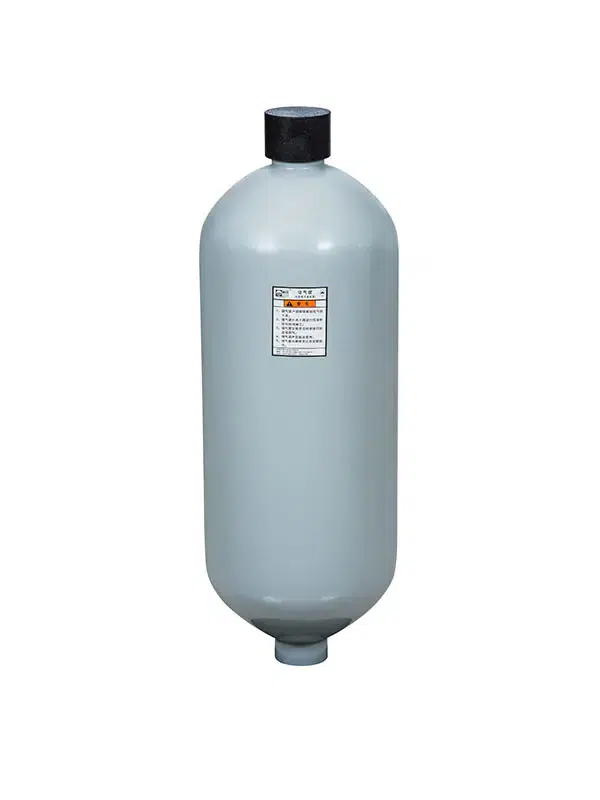
Hydraulic accumulators usually come pre-charged from the factory. This follows what most companies do. You should know what precharge means here:
- Precharge means putting nitrogen gas into the accumulator. The gas goes in at a certain pressure before you use it.
- This makes a starting pressure. It helps the accumulator store energy and react fast.
- Makers set the precharge pressure at about 90% of the lowest working pressure.
It is important to know the precharge state. If you use the wrong precharge, you can hurt the equipment or make it work badly. The right precharge keeps the system safe and working well.
Key Takeaways
- Hydraulic accumulators often come with nitrogen gas already inside. This gas is very important for them to work right. The right pre-charge pressure is very important. It helps the accumulator store energy. It also lets it react fast when the system needs it. Always check the pre-charge pressure before you use the accumulator. This stops damage to equipment and keeps things safe. Different accumulators need different pre-charge pressures. You should follow what the manufacturer says for the best results. Check and adjust the pre-charge pressure often. This keeps the system working well and helps your equipment last longer.
Pre-Charging in Hydraulic Accumulators
What Is Pre-Charging?
You should know about pre-charging before using hydraulic accumulators. Pre-charging means putting nitrogen gas into the gas side of the accumulator. The gas goes in at a set pressure. This happens before you add hydraulic fluid. The gas makes a cushion inside the accumulator. This cushion helps the accumulator store energy. It also lets the unit react quickly when needed.
Pre-charging is very important for hydraulic accumulators. Here are some reasons why:
- Pre-charging gives the accumulator its starting pressure.
- It helps the gas compress better and store more energy.
- The right precharge makes the system react faster to changes.
- It helps parts last longer by lowering stress and stopping sudden drops.
- The proper precharge lets the accumulator handle spikes and store energy well.
If you skip pre-charging or use the wrong pressure, you can hurt the system. You may see bad performance or even system failure.
How Pre-Charging Works
There are three main types of hydraulic accumulators from Ningbo Chaori Hydraulic: bladder, piston, and diaphragm. Each type needs its own pre-charging steps.
- Bladder accumulators need checks often. Gas can slowly leak through the rubber bladder. You must refill nitrogen gas to keep the right precharge.
- Piston accumulators lose very little gas. You mostly need to check the seals. If the hydraulic fluid gets dirty, seals can wear out faster.
- Diaphragm accumulators also need frequent checks. Gas can leak through the diaphragm, so you must keep the pressure right.
You must follow the precharge steps for each type. Keeping the right precharge helps your hydraulic accumulator work well. This step keeps your system safe and working for a long time.
Tip: Always check the precharge pressure before starting your system. This easy step can stop damage and keep your equipment working well.
Factory Pre-Charge for Hydraulic Accumulators
Standard Practices
When you get hydraulic accumulators from the factory, they are usually precharged. This means they are ready to put in your system. Makers follow strict rules to keep the equipment safe and working well. The precharge uses dry nitrogen gas. Nitrogen is the best gas because it does not react with hydraulic oil. It is also safe to use. You should never use oxygen or compressed air. These gases can cause dangerous reactions or even explosions.
Here are some reasons why nitrogen is the best gas for precharging:
- Nitrogen does not react with hydraulic oil.
- It is cheap and easy to find. Most of the air we breathe is nitrogen.
- Other gases, like oxygen or compressed air, can cause fires or explosions.
Makers pick the precharge pressure based on the type of hydraulic accumulator and what your system needs. You can see the usual factory precharge pressures in the table below:
| Accumulator Type | Standard Pre-charge Pressure |
|---|---|
| Bladder Accumulator | 80% of minimum hydraulic system pressure |
| Piston Accumulator | 100 psi below minimum hydraulic system pressure |
You should check the precharge pressure before you use the accumulator. This helps stop problems and keeps your system working well. Sometimes, hydraulic accumulators come empty because of shipping rules. If this happens, you must add the right precharge before you start your system.
Variations by Type and Brand
Not all hydraulic accumulators have the same precharge settings. The type and brand can change how the factory sets the precharge. For example, bladder accumulators often need a precharge at about 80% of the lowest system pressure. Piston accumulators usually use a precharge that is 100 psi less than the lowest system pressure. These differences help each type work its best.
Brands have their own rules and safety checks. Ningbo Chaori Hydraulic follows strict quality rules. They have certifications like ISO9001, ASME, and CE. If you pick a Ningbo Chaori Hydraulic accumulator, you get a product that meets world safety and quality rules. The company uses advanced technology to make sure each unit has the right precharge. They check every unit for safety before it leaves the factory.
You should always read the instructions from the maker. This helps you know the precharge settings and keeps your equipment safe. If you need to change the precharge, follow the steps in the manual and use the right tools. Keeping the right precharge in your hydraulic accumulators will help your system last longer and work better.
Note: Always check the precharge pressure before you start your system. This easy step can stop damage and keep your hydraulic accumulator working well.
Pre-Charge Pressure in Hydraulic Accumulator
Performance Impact
You must set the pre-charge pressure just right for good results. The correct setting helps your system run well and keeps things safe. When you use the right precharge, the accumulator can hold enough oil. It also has enough gas space to control pressure. This balance stops pressure spikes and makes the pump turn on and off less. Your system works smoothly, even if the load changes.
Here is a table that shows the best pre-charge pressure for different jobs:
| Application Type | Recommended Pre-Charge Pressure Range |
|---|---|
| Energy Storage | 90% of the minimum system operating pressure |
| Shock Absorption | 60%-75% of the normal working pressure |
| Pulsation Dampening | 60%-80% of the normal working pressure |
The right pre-charge pressure helps the accumulator react fast. It keeps your system safe from pressure jumps and energy loss. Your equipment can last longer, too. If the pre-charge is too high, you lose space for fluid. If it is too low, the accumulator reacts too much but cannot store much energy. The pre-charge sets the lowest pressure the accumulator can handle. How the gas squeezes also changes how much energy you can keep.
Tip: Always check the pre-charge pressure before you start your system. This easy step can stop many problems.
Risks of Incorrect Pre-Charge
If you set the pre-charge pressure wrong, your hydraulic system can have problems. Low pre-charge means there is not enough gas inside. This can make the pressure drop and the system act unstable. High pre-charge stops oil from getting in. You lose the good things the accumulator does and may see pressure changes that hurt your equipment.
Here are some common risks:
- Low pre-charge can make the piston hit the bottom and cause damage.
- High pre-charge gives you less fluid to use and may stop the accumulator from working until the pressure is very high.
- Pressure spikes might not get absorbed, which can harm your system.
- The bladder or diaphragm can rip or burst if the pre-charge is wrong.
- You might see more wear on parts, lower quality, and higher energy use.
- Over time, you could have machine stops and expensive repairs.
You should always use the right precharge for your job. This keeps your system safe, steady, and working well.
Checking and Adjusting Pre-Charge Pressure
How to Verify Pre-Charge
You need to check the precharge pressure to keep your hydraulic accumulator working well. Start by making sure the system is off and safe. Always wear safety glasses and protective clothing. Work in a place with good airflow. This keeps you safe from nitrogen gas.
To check the precharge, you need the right tools:
- A nitrogen gas source (never use oxygen or air).
- A pressure gauge that matches your system’s needs.
- Fittings that fit your accumulator.
- Bleed valves to safely release pressure.
Check the precharge pressure when you first install the accumulator. For the first week, check it every day. If the pressure stays steady, you can check it once a week. Later, check every three to six months. This routine helps you spot problems early.
Tip: Always follow the precharge guide from your manufacturer. Using the right steps keeps your equipment safe and working longer.
Steps for Adjustment
If you need to adjust the precharge, follow these detailed precharge steps:
- Make sure the hydraulic system has no pressure. Use isolation valves and drain the system.
- Wear safety gear, like glasses and gloves.
- Use only dry nitrogen gas for charging. Never use oxygen or air.
- Attach the charging rig to the accumulator’s valve.
- Open the nitrogen valve slowly. Watch the pressure gauge as you add gas.
- Stop when you reach the proper precharge pressure for your system.
- Tighten all fittings and check for leaks.
- Remove the charging rig and replace all safety covers.
You should always use the proper precharge for your application. This keeps your system safe and helps it last longer. If you follow these steps, your accumulator will work well and avoid damage.
Note: Always read the manual from your accumulator’s maker. The manual gives you the best advice for your equipment.
You need to keep these important things in mind about hydraulic accumulator pre-charging:
- The right pre-charge helps your system stay safe and steady.
- If the pre-charge is wrong, pressure can drop or oil might not move.
- Always use the correct tools and follow every step closely.
- Put on safety gear and turn off the system before you begin.
- Look at your manual to find the right pre-charge, especially for Ningbo Chaori Hydraulic products.
To get the best results, check and change the pre-charge pressure often. Doing this easy step keeps your equipment safe and makes it last longer.
FAQ
How do you know if your accumulator is pre-charged?
You can check the label or paperwork from the factory. You can also use a pressure gauge to measure the gas side. Always check before you install the accumulator.
What gas should you use for pre-charging?
You should always use dry nitrogen gas. Never use oxygen or compressed air. Nitrogen is safe and does not react with oil.
Can you adjust the pre-charge pressure yourself?
Yes, you can adjust it. Use the right tools and follow the instructions from the manufacturer. Wear safety gear and make sure the system is off.
How often should you check the pre-charge pressure?
Check the pressure when you first install the accumulator. After that, check every three to six months. If you see leaks or changes, check more often.
What happens if you use the wrong pre-charge pressure?
Using the wrong pre-charge can damage your system. You may see leaks, pressure spikes, or broken parts. Always set the correct pressure for safe and smooth operation.