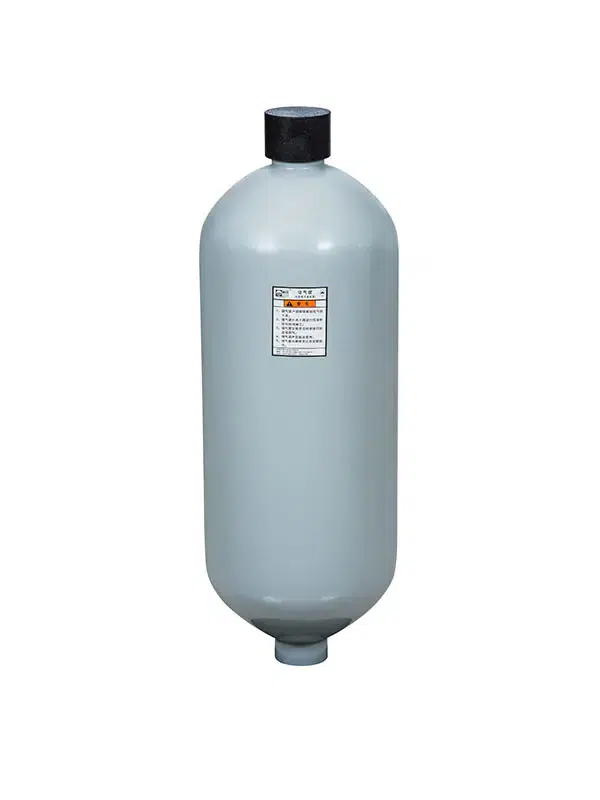
Hydraulic accumulators recharge by refilling the nitrogen pre-charge pressure. Electrical accumulators, by contrast, recharge with a compatible charger that reverses the chemical reaction. This guide focuses primarily on hydraulic units, covering practical steps, type-specific methods, safety precautions, and full-charge signs for each accumulator. Readers will also learn which tools restore precharge and how to confirm a complete charge.
Key Takeaways
- Refill hydraulic accumulators with dry nitrogen using the right charging rig. Follow the safety steps and check the gauge to make sure the pressure reading is steady.
- Recharge electrical accumulators with a charger that works with them. Match the battery type and connect the positive and negative ends the right way. Look for a full-charge indicator.
- Always follow safety rules. Work in areas with good airflow and do not overcharge. Make sure the battery is fully charged before you use it.
Recharging Hydraulic Accumulators
Pre-Charging an Accumulator with Nitrogen
The liquid energy accumulator progresses and is charged, the command is adjusted horizontally. In actual use, it has been used for many years, and usually has a small amount of production and excretion, so this type of work is not frequent. In times of low power, the ability of the technical talent group to express its power is limited.
This equipment operates demand distribution and charging equipment. Chaori Hydraulic was founded in 1978 and is a liquid storage device. The company provides various types of charging tools, equipment, equipment, safe operation, pre-designed system construction, and demand for full-capacity purchase. The charging device is equipped with a charging device, which has the ability to prevent the effect of the power, and the internal skin of the energy storage device to protect it.
Bladder, Piston, and Diaphragm Differences
All three designs utilize dry nitrogen as a pre-charge gas. Bladder accumulators and diaphragm accumulators rely on flexible elastomeric membranes, whereas piston accumulators employ a solid piston.
This structural difference influences how the accumulators are pre-charged. For bladder-type accumulators, operation should not continue if the pre-charge pressure falls below 25% of the maximum operating pressure; otherwise, the membrane may suffer wear or rupture due to internal friction. Piston-type accumulators, by contrast, can accommodate lower pre-charge pressures and offer a wider tolerance range for set values. In most systems, technicians set the pre-charge pressure to approximately 80% of the system’s minimum operating pressure. Before the system is started, the pre-charge pressure must be verified using a pressure gauge; if the reading remains stable at the target value, the pre-charge process is considered complete.
Pre-Charging Steps and Electrical Accumulators

Step-by-Step Pre-Charging
A safe order of steps keeps both the technician and the equipment safe. The steps below work with any nitrogen charging rig.
- Use the isolation valve to separate the accumulator from the hydraulic circuit. If there is no valve, release pressure from the whole system.
- Let out fluid-side pressure through the bleed-down valve. Check the gauge shows zero pressure before you touch the gas valve.
- Put together the charge/fill kit. Attach the right gas valve adapter, hook the high-pressure hose to the nitrogen bottle, and check every joint for leaks.
- Hand-thread the adapter onto the gas valve, tighten it with a wrench, and make sure the kit bleed valve stays closed.
- Open the charging block valve slowly without opening the nitrogen bottle. Write down the static precharge pressure.
- If the reading is low, add dry nitrogen slowly. Open the bottle valve in small steps and watch the gauge. Never use compressed air or oxygen.
- Close the nitrogen bottle valve and wait about two minutes so the temperature can even out. Check the gauge again.
- Close the block valve, open the bleed valve to release pressure trapped in the hose, then take off the adapter and put the cap back on.
- Open the isolation valve again and start the system to check that it runs normally.
Technicians set the correct pre-charge near 80 percent of minimum system pressure. A bladder accumulator allows less variation than a piston unit, so the gauge check matters most there.
Recharging Electrical Accumulators
Charging methods for accumulators (or battery packs) vary depending on the type. Users must first identify the specific type and select the appropriate charging equipment. Lead-acid, AGM, gel, and lithium-ion battery packs each require a compatible charging mode. For instance, a lithium-ion charger maintains the voltage of individual cells at 4.2V; using an incompatible charging mode—such as one intended for a different battery chemistry—can significantly shorten the service life of a gel battery.
Next, ensure correct polarity when connecting: connect the positive terminal to the positive terminal and the negative terminal to the negative terminal, then monitor the charger’s indicator lights or voltage readings. Throughout the charging process, ensure the battery temperature remains below 50°C. Smart chargers will automatically stop once the battery is fully charged; you may disconnect the unit once the indicator shows that charging is complete.
Charging an accumulator restores its stored energy. If an accumulator experiences gas-side leakage, a failure of the diaphragm (or bladder), or an inability to maintain voltage, it should be replaced. Chaori Hydraulic manufactures a variety of hydraulic accumulators and offers corresponding charging accessories, with options for customization and wholesale procurement.
Safety and Full-Charge Signs Of

Safety Precautions
Safe operation begins with proper ventilation. When charging hydraulic accumulators, technicians must work in a well-ventilated area, away from any open flames. Since nitrogen can displace oxygen in enclosed spaces, it is essential to ensure a supply of fresh air when working in confined areas.
For electrical equipment, correct polarity is critical. Reversing the polarity can damage both the charger and the battery. Furthermore, users should avoid overcharging. While smart chargers automatically stop once a battery is fully charged, older models may require a timer to provide protection.
Over-pressurizing a hydraulic accumulator leads to an increase in system pressure, which can damage seals and reduce the effective volume. It is recommended to follow the original equipment manufacturer’s (OEM) guidelines when setting a safe pre-charge pressure. Suppliers such as “Chaori Hydraulic” offer safety valve blocks—available for custom orders and wholesale—that can release excess pressure, thereby preventing damage to the equipment.
Set the precharge gas so the bladder, diaphragm, or piston never hits either end of the cylinder.
Proper precharge maintenance keeps an accumulator trouble-free for years. Poor upkeep can ruin a working unit. Many bladder accumulator designs cannot handle a crushed bladder, so users should confirm the membrane survives any expected over-pressure event.
Signs of a Full Charge
Once an accumulator has been charged with nitrogen, the pressure gauge reading should remain stable. After closing the valve on the nitrogen cylinder, the gauge needle should hold steady at the specified pre-charge pressure for approximately two minutes. If the needle drops, it indicates a leak at a connection point or wear to the internal bladder.
For electric accumulator units, the charge status can be verified via a charging indicator light or a voltage reading. A smart charger will automatically stop the charging process, at which point the voltage will stabilize at the accumulator bank’s rated level.
Regular maintenance extends the service life of the equipment. Comprehensive diagnostics allow for the early detection of pressure loss or internal wear. Replacing seals and inspecting individual components helps ensure long-term operational reliability. Technicians can charge the unit with nitrogen—up to a maximum of 6,000 PSI—to restore the accumulator’s performance. If the equipment operates sluggishly, experiences pressure fluctuations, or causes the pump to cycle on and off too frequently, the pre-charge pressure should be checked and adjusted. Once the pre-charge pressure is restored to the correct level, the nitrogen charging equipment can be removed and the protective cap reinstalled.
The nitrogen charging process for an accumulator is straightforward: identify the type of accumulator, select the appropriate charging tool or equipment, establish a secure connection, monitor the pressure gauge or indicator light, and disconnect once the charging is complete. Prioritizing safety and adhering to a routine maintenance schedule will effectively extend the service life of the accumulator. If the accumulator housing remains in good condition and only the internal bladder or seals are worn, the unit is worth repairing; however, if the housing shows signs of corrosion or cracking, or if gas has contaminated the system, the unit must be replaced. Always verify that the pre-charge pressure is stable and set to the correct value before operating the equipment.
FAQ
How often does an accumulator need recharging?
Not often. Nitrogen leaks out very slowly, so technicians check the pre-charge pressure with a gauge and only recharge when the reading gets low. Most units keep a correct charge for years.
Can compressed air replace nitrogen for pre-charge?
No. Compressed air has oxygen and moisture in it. Technicians use dry nitrogen only. A supplier like Chaori Hydraulic offers charging tools and safety valve blocks for custom and wholesale orders.
When should users recharge instead of replace an accumulator?
Recharge when the shell is in good shape and the precharge just dropped. Replace the unit when the bladder accumulator membrane fails, gas leaks out of the shell, or cracks show up.