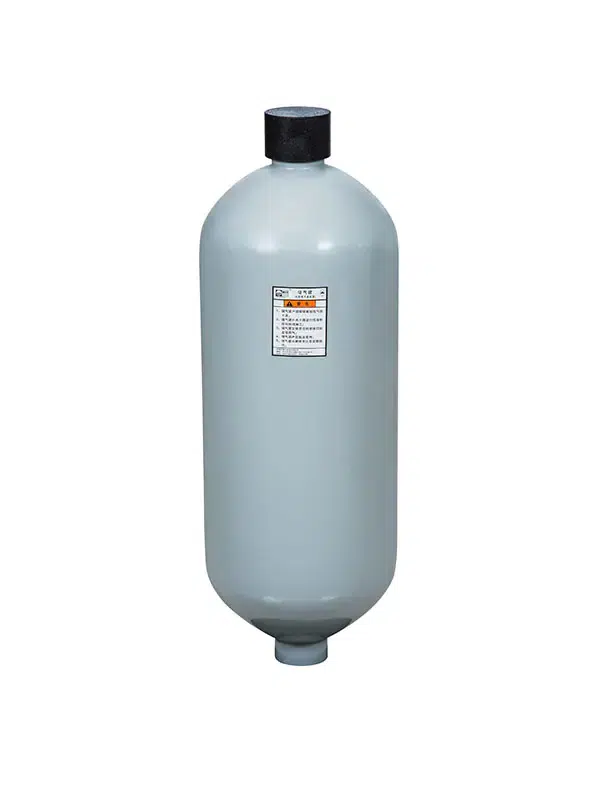
A mechanical accumulator, commonly known as a hydraulic accumulator, is a pressure storage device used to maintain hydraulic fluid under pressure. It stores energy in mechanical or pressurized form and returns it when needed. This guide explains what a hydraulic accumulator is, how it works, its functions, types, and applications.
Key Takeaways
- The mechanical accumulator maintains the pressure of hydraulic oil and discharges it when needed.
- Pre charge pressure controls the response of the accumulator to pressure changes.
- Choose the appropriate type of accumulator for your application to achieve optimal performance.
How does a hydraulic accumulator work?
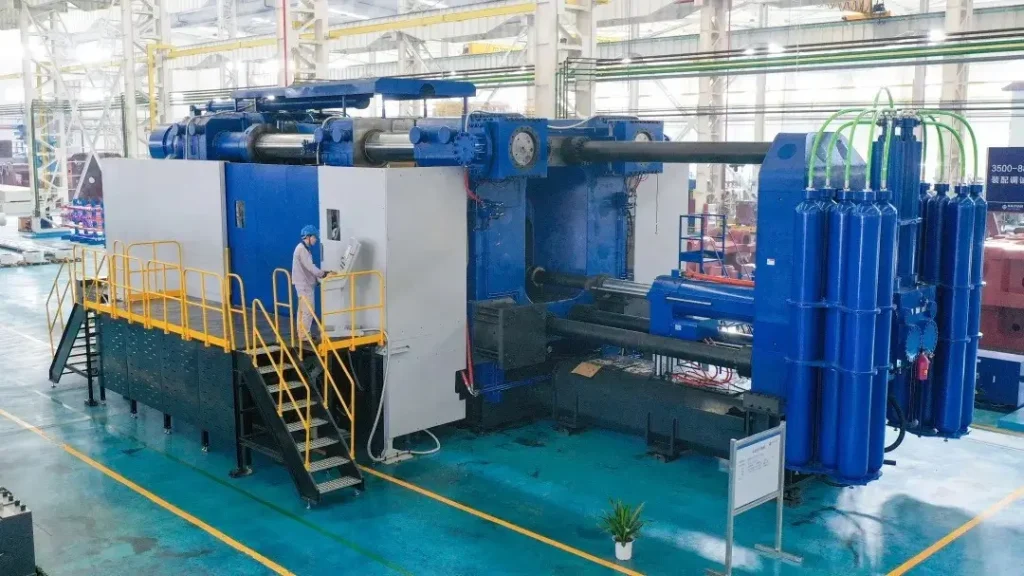
Mechanical accumulator is usually referred to as hydraulic accumulator. It is a pressure storage tank used to store hydraulic oil under pressure. The basic principle of a hydraulic pneumatic accumulator is based on the idea that a compressible medium pushes back an incompressible liquid.
Working principle of a mechanical accumulator
Pumps sometimes deliver more oil than the circuit requires. Excess liquid enters the accumulator and acts on gas, springs, or heavy objects. Each method stores potential energy in a different way.
| Storage Mechanism | How Energy Is Stored | Notes |
|---|---|---|
| Compressed gas | Potential energy in a compressed gas acting against incompressible hydraulic fluid | Most common; a gas-tight separating element keeps fluid from absorbing gas |
| Spring loading | Potential energy in a compressed spring that exerts force on the fluid | Used in spring-loaded units for industrial duty |
| Raised weight | Potential energy from a raised weight pressing on the fluid | An alternative mechanical loading method |
Gas load design dominates in modern hydraulic systems. They use compressed nitrogen because it is inert and maintains a gaseous state under normal conditions. A sturdy casing is usually made of carbon steel, which can support parts and withstand system pressure. Internally, airbags, diaphragms, or pistons separate hydraulic oil from the pre filled nitrogen chamber. The inflation valve allows technicians to set the pre inflation pressure. Most devices work best between 3000 and 5000 pounds per square inch (approximately 207 to 350 bar).
Charging and discharging cycle
The operation of the accumulator follows a simple cycle. Technicians first pre charge the device with nitrogen to ensure that there is no oil inside. When the system pressure increases, oil enters and compresses the gas until the gas pressure matches the system pressure. This is the charging phase. When the pressure drops, the gas expands and pushes the oil back into the circuit. This discharge stage allows the accumulator to add an accumulator to the pump when the demand exceeds the pump flow rate.
Pre charging level shapes behavior. Set slightly below the maximum system pressure, the device will suck in oil and increase volume. Set close to the maximum system pressure, there is little oil left inside, so the equipment responds quickly to pressure peaks. For shock absorption, technicians typically pre charge to a pressure approximately 100psi lower than the maximum load pressure of the protected actuator. Then, the chamber responds by compressing or expanding its volume, and the stored energy is returned to the system as needed. This cycle provides energy storage, shock absorption, and pulsation damping in one package.
Types and applications of hydraulic accumulators

Main accumulator types
Three series lead the market: weight loading, spring loading, and gas loading design. Inflators are further divided into airbag type, piston type, and diaphragm type. Each type of hydraulic accumulator is suitable for different operations.
The bladder accumulator responds quickly to pressure changes and works well under many pressures. The piston accumulator can handle very high pressures and large amounts of fluid, making it very suitable for heavy machinery. The diaphragm accumulator remains small and lightweight, so it can work in narrow spaces and small precision jobs.
Chaori Hydraulic and other suppliers produce all three styles, as well as customized accumulator stations for centralized energy storage. Wholesale suppliers can match units with loads and customize constructions that cover large-scale systems.
Common industrial applications
The same core functions – energy storage, shock absorption, and pulsation damping – connect each type to its field. Agricultural machinery uses energy storage devices in the suspension system to absorb impacts and ensure stable driving. Wind turbines rely on them for pitch control. The ocean and offshore systems use it as an emergency backup for safety valves. Steel mills and hydraulic presses use stored energy for fast, high tonnage strokes.
In these works, the accumulator reduces the workload of the pump and smooths out pressure fluctuations. Appropriate size and correct pre charging make the device reliable. Buyers should match the type with the application and then confirm the supplier’s support services and spare parts.
Mechanical or hydraulic accumulator is a container that stores hydraulic fluid under pressure. It stores pressurized energy and releases it when needed. This operation provides reliable energy storage, shock absorption, and pressure fluctuation damping for many industries. Match the type of accumulator with the application and confirm energy requirements and fluid compatibility before selection.
FAQ
What is a hydraulic accumulator used for?
It holds fluid under pressure so it can be used later. This helps with storing energy, absorbing shocks, and reducing pressure pulses. Common uses include farm machines, wind turbines, and hydraulic presses.
How does precharge pressure affect performance?
Precharge controls how the unit reacts. A setting near the top system pressure makes the device respond fast to spikes. A lower setting lets it take in more fluid and add volume.
Which accumulator type suits fast response?
Bladder units react quickly to pressure changes and work well at many pressures. Piston units fit high pressure and large flows. Diaphragm units suit small, precise jobs.