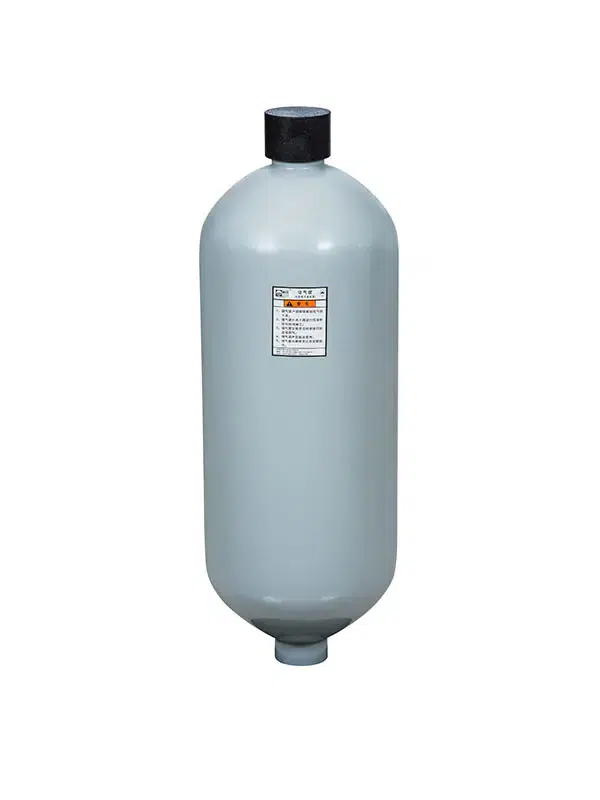

You need your bladder piston accumulator station to work safely and well. Fixing problems fast is important because waiting too long can cause big risks. The system could stop working or stop in a dangerous way. If you do not fix problems, leaks might happen, which can hurt people or damage equipment. You could also lose time and spend more money dealing with unplanned downtime.
If pressure drops fast, your bladder piston accumulator station may not work right. Leaks or dirty fluid can put your team in danger. If you pick Chaori Hydraulic’s Bladder Accumulator, you get a high-quality product backed by engineered designs. It helps you find problems fast, and you will not need to fix things as often. The strong design makes parts last longer, ensuring your system stays steady for more time.
You can count on a bladder piston accumulator station with great parts to help you fix problems easily and keep your work safe.
(Compliance & Disclosure Note: Maintenance cycles and parameters provided in this guide are industry baselines. Always adapt to your specific OEM operational manual and duty cycles. Chaori Hydraulic products are cited herein as technical examples.)
Key Takeaways
- Checking your bladder piston accumulator station often helps find problems early, which stops expensive fixes and keeps your system working well.
- Look for pressure drops, odd sounds, and leaks, as these signs show there might be problems that need quick help.
- Use dry nitrogen when pre-charging and keep the right pressure to make your accumulator last longer and work better.
- Write down all maintenance and inspection details because keeping track helps you see patterns and makes your system more reliable.
- Pick good parts like Chaori Hydraulic’s Bladder Accumulator, which last longer and mean you fix things less often.
Recognizing Failure Symptoms in Accumulator Stations
Pressure Fluctuations and Loss
Sometimes, the pressure in your accumulator station changes quickly, which can mean there is a problem inside with the piston or bladder. If you see the pressure drop when it should not, your hydraulic system might not have enough energy stored. The pump then has to work harder, which can make parts wear out faster. When the accumulator fails, the pressure can go up and down a lot. You need to find and fix these pressure problems fast to keep your hydraulic accumulators working well.
Pro Tip & Boundary Limit: A static gas pressure drop of >5% over a 30-day period is the industry threshold indicating a micro-leak. Look at your system gauges for pressure drops or spikes to help you find problems early.
Erratic System Response
If your hydraulic system is slow or acts weird, there could be a problem with the accumulator or piston. Some common reasons are:
- Using the wrong kind of hydraulic oil.
- The system gets too hot.
- The pressure goes too high.
- The bladder is old or worn out (usually after 5–10 years).
Operational Parameter: Standard NBR (Nitrile) elastomer bladders will degrade rapidly if your continuous fluid temperatures exceed 80°C (176°F). These things can make the piston move in a strange way, which makes your hydraulic accumulators less dependable.
Leaks and Fluid Contamination
Leaks near the accumulator or piston usually mean the seals are damaged or something else is wrong. Fluid contamination is also a big problem because it can hurt your hydraulic accumulators and make the system work worse.
| Issue | Engineering Description |
| Increased wear on components | Dirt or other stuff makes seals and parts wear out faster. |
| Reduced efficiency | Dirty fluid makes the system work less well. |
| Potential system failures | Contaminants can break hydraulic parts and make the system less reliable. |
You should always check for leaks and dirty fluid during inspections.
Unusual Noises and Vibrations
Weird sounds or shaking can mean something is wrong with the accumulator or piston. You might hear knocking, grinding, or clunking. Clicking or buzzing can happen if water or dirt gets inside the accumulator or if valves are malfunctioning. If you hear these noises, check your hydraulic accumulators and piston for problems right away.
Engineering Context: In a hydraulic circuit, a severe metallic “clunk” typically indicates the accumulator has completely exhausted its fluid reserve, causing the metal piston to forcefully bottom out. High-pitched whining points to pump cavitation (vacuum pressure below 0.8 bar absolute) because the accumulator is failing to supplement the fluid flow.
Troubleshoot Common Piston Accumulator Failures
Hydraulic accumulators can have problems, and you need to know how to spot these issues. Fixing them helps your system stay safe and work well.
Gas Leakage Solutions
Gas leakage is a big reason accumulators fail. You may see pressure drop or the accumulator not holding its pre-charge. This happens because seals wear out, corrosion starts, or installation is not done right. To fix it, check the seals and change any that are damaged. Always pick the correct seal material for your fluid and pressure. Regular checks help you find leaks early and stop bigger issues.
Diagnostic Step: While the unit is fully pressurized, safely apply a commercial leak-detection fluid (or soapy water) to the gas valve stem and base. Bubbles will immediately pinpoint micro-leaks.
Addressing Bladder and Piston Seal Damage
Bladder and piston seal damage can cause big problems. If you see fluid on the gas side or the accumulator cannot keep pressure, the piston or bladder may be broken. The best fix is to take the accumulator out and change the broken parts. Overhauls every three to five years help stop these failures.
- Change worn seals and bladders as soon as you can.
- Always check pre-charge pressure and look at inside parts during maintenance.
- Watch pressure to find problems early.
- Overhaul hydraulic accumulators often.
Resolving Valve Malfunctions
Valve malfunction is another common problem because dirt or wear can make the valve stick or leak. Test the spool valve for leaks before you change seals. Always fix causes like dirty fluid and pressure spikes, use only seals from the manufacturer, and check how the actuator works after repairs. Fixing valve malfunction keeps your accumulator working well. Keep your hydraulic fluid clean and change filters often to help stop valve malfunction.
Cleaning and Preventing Fluid Contamination
Cleaning fluid contamination is important for fixing hydraulic accumulators because dirt and water in the system can cause many problems. Use good filters, keep reservoirs closed, and change oil and filters at the right times. Clean tools and work areas before you fix the accumulator. When you clean parts, use only approved solvents and do not use harsh chemicals.
To prevent seal scoring, strictly maintain hydraulic fluid cleanliness to a minimum of ISO 4406 code 18/16/13 using 10-micron absolute filtration.
⚠️ CRITICAL SAFETY WARNING: Always let out pressure from the hydraulic and gas chambers before cleaning. You must verify a true “Zero Energy State” (0 PSI on both gas and fluid gauges) before unbolting any flanges or components.
Preventive Maintenance for Accumulator Reliability

Routine Inspection Schedule
You can keep your accumulator working well if you check it often. Regular checks help you find problems before they get worse, which stops failures and keeps your system running smoothly. Inspections also help you avoid downtime and keep your hydraulic system steady. Look for leaks, check for dirty fluid, and listen for strange sounds to find problems early in your accumulators and piston.
| Inspection Type | Recommended Frequency |
| General Inspection | At least once a year |
| Hydrotesting (per ASME standards) | Every five years |
| Examination under operating conditions | Annually or twice every five years |
| Maximum interval between examinations | No more than three years |
Pre-Charge Maintenance Best Practices
Doing pre-charge maintenance the right way keeps your accumulator safe. Always use dry nitrogen (99.9% purity) when you charge it, and keep the pressure at the level the maker says.
Check the precharge pressure when you first put in the accumulator. Look at it every day for the first week, then check it every week. If it stays steady, check it every three to six months. Write down what you find during checks to help you see how your system is doing and spot changes.
Bladder Replacement and Cost-Effective Repairs
Changing the bladder costs less than buying a new accumulator. Chaori Hydraulic’s design lets you change the bladder fast, saving you time and money. Bladder accumulators last longer and need less fixing than other types, meaning you spend less on repairs and your hydraulic accumulators work better. They are strong and work in hot or cold places, giving you good performance in many environments.
Empirical Field Case: In a recent offshore rig maintenance program, proactively replacing elastomer bladders at the 5-year mark—before physical symptoms appeared—reduced unplanned hydraulic actuator downtime by over 30% annually.
Record Keeping and Performance Tracking
You should write down all maintenance and inspection work, recording pressure numbers, fluid checks, and any repairs you do. Keeping track of this helps you see patterns and make your system better. Good records help you plan checks and stop failures.
Sample Diagnostic Record Checklist:
- Date/Time & Technician ID:
- Ambient Temperature (°C): (Crucial for gas pressure calculations)
- Static Gas Pre-Charge (PSI):
- Fluid Cleanliness (ISO 4406 Code):
- Action Taken: (e.g., “Topped off N2 by 50 PSI, replaced gas valve core”)
Chaori Hydraulic has ASME-certified and stainless steel accumulator choices that work well in hard places like ships, oil and gas, and power plants. You get safe, strong, and long-lasting performance for your hydraulic system.
FAQ
What is the main job of a bladder piston accumulator?
You use a bladder piston accumulator to store energy in your hydraulic system. It helps control pressure, absorb shocks, and keep your equipment safe.
How often should you check the pre-charge pressure?
You should check the pre-charge pressure when you install the accumulator. Check it daily for the first week, then weekly, and later every three to six months.
What signs show that the accumulator needs repair?
You may see pressure drops, hear strange noises, or find leaks. These signs mean you should inspect and repair your accumulator soon.
Can you replace the bladder without special tools?
Yes. Chaori Hydraulic’s design lets you change the bladder quickly. You do not need special tools, so you save time and money.
Why choose a stainless steel accumulator?
You should pick stainless steel if you work in a place with lots of moisture or chemicals. Stainless steel resists rust and lasts longer in tough environments.