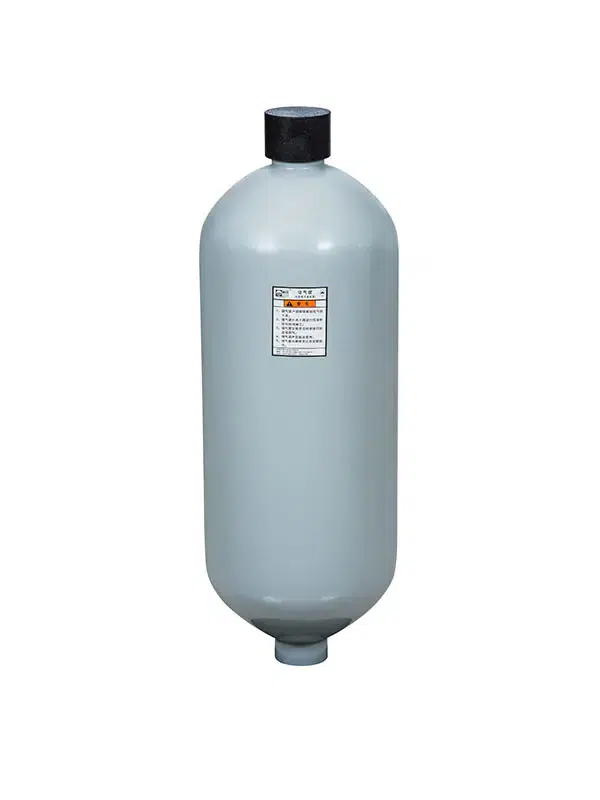
It’s important to understand that temperature can impact the performance of piston accumulators and bladder accumulators. Extreme heat or cold increases stress on internal components, which can lead to faster wear of the shell and other parts. This added stress may cause fluctuations in pressure, increased gas leakage, or material damage. Using your piston accumulators and bladder accumulators in moderate temperatures helps extend their lifespan. Chaori Hydraulic’s products are engineered for reliability and deliver consistent performance, even in challenging environments.
Key Takeaways
- Changes in temperature can really change how bladder and piston accumulators work. Very hot or cold weather can make them wear out faster and not work as well.
- Check the pre-charge pressure of your accumulators often. This helps them work their best and stops sudden problems from pressure changes.
- Pick the right accumulator for your system’s temperature and needs. This helps your equipment work better and last longer.
- Use strong parts and good accessories, like safety relief valves and nitrogen charging kits, to make your accumulators last longer.
- Do regular maintenance and watch for problems early. This helps you avoid big repairs and makes your hydraulic systems last longer.
Temperature Effects on Bladder and Piston Accumulators
Pre-Charge Pressure Fluctuations
Temperature changes can affect the pre-charge pressure inside accumulators. You need to check this pressure often when using bladder accumulators or piston accumulators. If the temperature goes up, the gas inside gets more active. This makes the pre-charge pressure higher. If the temperature goes down, the pressure gets lower. These changes can affect how much energy the accumulator stores. They also change how fast it works in your hydraulic system.
The pre-charge pressure will go up by 1/3 bar for every extra degree K. It takes three degrees of temperature change to change the pre-charge pressure by one bar. For example, if the temperature drops by 20°C, the pre-charge will drop by almost 7 bar. This shows that changes in temperature can really affect accumulators with high pre-charge pressures.
If you work in places where temperature changes a lot, you might lose pre-charge or get too much pressure. Both problems can make your system work worse and might damage your equipment. Chaori Hydraulic’s accumulators are made to keep pre-charge pressure steady. This helps you get the best performance in many different conditions.
Performance Changes in Different Temperatures
Bladder and piston accumulators work differently when temperatures are not normal. You might see changes in how much energy they store, how fast they respond, and how well they work. When it gets hotter, the gas pre-charge pressure goes up. This can make the accumulator hold less fluid and might push it past safe pressure limits. When it gets colder, the pre-charge pressure goes down. This can make the accumulator slower and less able to deliver flow.
Temperature also changes how thick hydraulic fluid is. Cold makes the fluid thicker, which slows things down and makes it harder for the system to work. Heat makes the fluid thinner, which can cause leaks or loss of pre-charge. These changes can hurt system performance and make the accumulator wear out faster.
| Type of Accumulator | Temperature Range (°F) | Performance Notes |
|---|---|---|
| Bladder | -40 to 250 | Gas escapes faster at high temperatures; loss of pre-charge can cause poor performance and failure. |
| Piston | -45 to 320 | Works well in extreme temperatures; good choice when bladder limits are not enough. |
Chaori Hydraulic makes bladder and piston accumulators that meet strict temperature standards. Our products help manufacturers and suppliers who need reliable performance in tough environments.
Gas Permeation and Material Impact
Temperature affects how fast gas escapes and how materials break down in hydropneumatic accumulators. When it gets hotter, gas molecules move faster. This makes gas escape through the bladder or seals more quickly. This can cause loss of pre-charge and make the accumulator less able to handle pressure spikes.
Temperature also changes the materials inside the accumulator. High temperatures can make rubber bladders and seals break down faster. Low temperatures can make these parts stiff and less bendable. This can cause cracks or leaks. Both hot and cold can make the accumulator last less time.
- Bladder accumulators can work from -45ºC [-50ºF] to +150ºC [300ºF].
- Gas pre-charge pressure goes down when it’s cold, so the accumulator can’t absorb pressure spikes as well.
- Hydraulic fluid gets thicker in cold, which makes it harder for fluid to flow.
- In heat, gas pre-charge pressure goes up, which can cause too much pressure and stress on parts.
Chaori Hydraulic uses strong materials and careful quality checks to stop parts from breaking down. Our accumulators help you keep pre-charge and system performance, even in tough places. If you pick the right accumulator for your job, you can make your equipment last longer and protect your investment.
Performance and Reliability in Extreme Temperatures
High-Temperature Risks for Bladder Accumulators
There are many risks when using bladder accumulators in hot places. Heat can make the bladder material change shape and wear out fast. When it gets hotter, the bladder is not as flexible. This means it can tear or break more easily. If the accumulator does not have the right compression ratio, the bladder can stretch too much and fail. You might see starburst breaks or cuts from the poppet assembly because the material gets brittle.
| Failure Mode | Cause |
|---|---|
| Tearing of the bladder | Not enough lubrication during use, so it sticks and stretches too far. |
| Star burst pattern at bottom of bladder | Fast expansion from high charging or cold system, which makes it burst or squeeze out. |
Hot temperatures also make gas escape faster. This causes loss of pre-charge and makes the system work worse. You need to watch the accumulator closely to stop sudden problems. Makers and suppliers should pick bladder accumulators with materials made for high heat. This helps the equipment work well and last longer.
Piston Accumulators Under Temperature Stress
Piston accumulators handle temperature changes better than bladder accumulators. But you still need to watch for fast temperature changes. When it gets hot or cold quickly, the piston and seals get bigger or smaller. This can make seals break and gas leak out. You might see parts inside wear out if you do not check the accumulator often.
Piston accumulators work well in closed systems, but it is hard to do maintenance. This can make temperature problems worse. You should pick piston accumulators with strong seals and good materials. This helps stop wear and keeps the system working well. You protect your equipment by choosing products that work in tough temperatures.
Monitoring and Preventing Failures
You can stop failures by checking your accumulators often. Check the pre-charge pressure a lot. Look for signs of wear or if the bladder or piston is not flexible. Use temperature sensors to watch the heat. If you see loss of pre-charge or changes in how the system works, fix it fast.
Makers and suppliers should do regular checks. Keep notes about maintenance and temperature. Change old parts before they break. You can use tools like safety valve blocks and nitrogen charging tools to help keep things working well.
Tip: Regular checks and good care make your accumulator last longer and stop surprise breakdowns.
You make sure things work well by picking accumulators from trusted brands like Chaori Hydraulic. Good materials and strong quality checks help you stop problems and keep your hydraulic systems working right.
Extending the Life of a Piston Accumulator
Maintenance Strategies for Temperature Control
You can make your accumulator last longer with good care. Check the pre-charge pressure often to keep it at the right level. Use pressure gauges to watch the nitrogen so you do not lose pre-charge. Clean and look at the seals to see if they are getting old or damaged. Change any parts that look worn before they break. Put in safety relief valves to stop too much pressure from building up. Use temperature sensors to check how hot or cold things get. Write down when you do maintenance and when the temperature changes. Doing these things helps your accumulator work well and stops sudden problems.
Tip: If you check and care for your accumulator often, it will work better and you will not have to stop your machines for repairs.
Choosing the Right Accumulator for Your Application
Picking the best accumulator means knowing what your system needs. Think about how hot or cold it gets and how your system works. Makers and suppliers should look at these things:
- Pressure range and volume: Make sure the accumulator can handle what your system needs.
- System compatibility: Check that the accumulator works with your fluid and seals.
- Operating temperature: Pick an accumulator that can handle hot and cold and keep its strength.
- Cold weather makes fluid thick and seals stiff, which can cause leaks.
- Hot weather can make seals break down and change the nitrogen pressure.
Bladder accumulators and piston accumulators are both useful. Bladder accumulators are good for big jobs. Piston accumulators give you more control and work well in tough places. If you pick the right one, your equipment will last longer and work better.
Chaori Hydraulic Solutions for Longevity
Chaori Hydraulic uses strong materials so their accumulators last in hard places. You get carbon steel, low-temperature steel, and stainless steel. These metals stay strong from -60°C to +200°C. They do not rust or break down, even when the temperature changes fast. The factory gives you nitrogen charging kits, safety valves, and strong brackets to help you install them safely. Special coatings help protect the accumulator in hot places.
| Material Type | Description |
|---|---|
| Carbon Steel | Strong and lasts in many temperatures. |
| Low-Temperature Steel | Works well when it is very cold. |
| Stainless Steel | Does not rust, even when it is hot. |
| Temperature Range | Works from -60°C to +200°C. |
| Accessory | Contribution to Longevity |
|---|---|
| Nitrogen Charging Kits | Helps you fill the gas just right for best use. |
| Safety Relief Valves | Stops too much pressure, so parts last longer. |
| Pressure Monitoring Gauges | Lets you check nitrogen levels to keep things working. |
| Heavy-Duty Brackets | Holds the accumulator tight so it does not get hurt. |
| Protective Coatings | Stops rust in hot places. |
Chaori Hydraulic has important certificates like ISO9001, ASME, and CE. This means their accumulators are good quality and safe. You can count on them to last a long time and keep your machines safe.
Temperature changes can change how well your accumulators work. They can also make them wear out faster. When it gets cold, the pre-charge pressure goes down. If you do not check your system, it might fail suddenly.
| Accumulator Type | Advantages | Limitations |
|---|---|---|
| Bladder | Quick to react, small size | Holds less, might break |
| Piston | Lasts a long time, easy to set up | N/A |
You keep your equipment safe by picking good products from Chaori Hydraulic. You should also check your system often. For the best safety, talk to experts. They can help you set the right pre-charge and keep your factory safe in any weather.
FAQ
What happens if you use a bladder accumulator in extreme heat?
When it is very hot, the bladder gets stiff and wears out faster. Gas can escape quickly, so the pre-charge pressure drops. Pick materials made for high heat to keep your equipment safe.
How often should you check pre-charge pressure?
Check the pre-charge pressure at least once every month. If your factory has changing temperatures, check it every week. Use a pressure gauge to get the right reading.
Can piston accumulators handle rapid temperature changes?
Piston accumulators do better with fast temperature changes than bladder types. Still, you need to look for worn seals and gas leaks. Doing regular checks helps stop sudden problems.
What accessories help maintain accumulator performance?
Nitrogen charging kits, safety relief valves, and pressure gauges help keep your system safe and working well. Chaori Hydraulic makes these tools easy to install.
Why choose Chaori Hydraulic for your accumulator needs?
Chaori Hydraulic uses strong materials and has certified products. You get good performance and long life. Many manufacturers and suppliers trust Chaori for quality and help.