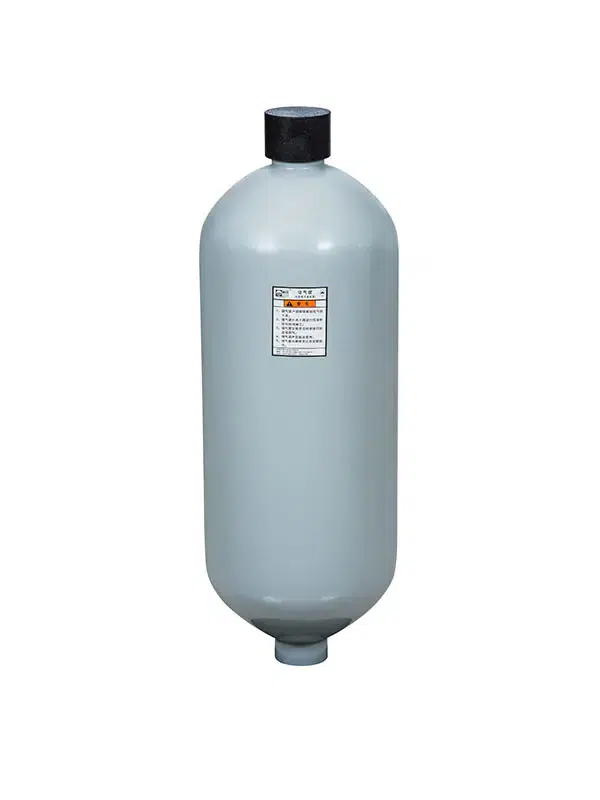
The correct inflation pressure for a hydraulic accumulator should be determined based on its pre-charge (nitrogen) pressure, rather than a fixed PSI value. In most hydraulic systems, accumulators are typically charged with nitrogen at a pressure ranging from approximately 60% to 90% of the system’s minimum operating pressure, with the specific ratio depending on the application.
For general energy storage and flow assistance applications, the prevailing guideline is to set the pre-charge pressure at approximately 50% of the system’s maximum operating pressure. In many standard systems—where the normal operating pressure falls between 2000 and 3000 PSI—applying this principle typically results in a pre-charge pressure of around 1000 to 1500 PSI.
If the pre-charge pressure is set too high, the accumulator will be unable to draw in a sufficient volume of hydraulic fluid, thereby reducing its operational effectiveness. Conversely, if the pre-charge pressure is set too low, the accumulator may become completely filled with hydraulic fluid, potentially damaging internal components and compromising overall system efficiency.
In practical applications, the specific inflation pressure settings must strictly adhere to the system’s design requirements and the manufacturer’s recommendations (such as those provided by Chaori) to ensure the safe and stable operation of the system.
Key Takeaways
- Know what kind of accumulator you have before charging. Each kind needs a special way to charge.
- Always use nitrogen gas to pre-charge. Do not use air or oxygen. This stops unsafe reactions from happening.
- Check the pre-charge pressure often. Try to check every three to six months. This keeps things safe.
- Use a pressure gauge when you charge. This helps you not charge too much or too little.
- Put a tag on your accumulator after charging. Write the pre-charge pressure and date on it. This helps you remember maintenance.
Identifying Your Accumulator Type
Common Accumulator Types
You must know your accumulator type before charging. Ningbo Chaori Hydraulic makes three main types. Each type looks different and works best in certain jobs. The table below shows what each type does and where it is used:
| Type | Structure and Design | Advantages | Common Applications |
|---|---|---|---|
| Bladder Accumulators | Flexible bladder inside a metal shell, filled with nitrogen gas | Fast response, good shock absorption, lightweight, easy to maintain | Construction machinery, mobile equipment, automotive suspensions |
| Piston Accumulators | Sliding piston separates gas and fluid in a cylinder | Handles high pressure, many sizes, long life, reliable | Hydraulic presses, offshore oil and gas, large injection molding machines |
| Diaphragm Accumulators | Flexible diaphragm separates gas and fluid, compact design | Compact, economical, quick response | Light equipment, automotive brakes, lubrication systems, small mobile machinery |
Tip: Always check your system to find your accumulator type. This helps you follow the right steps for charging.

Finding Specifications
You can find your accumulator’s model and specs in a few places. Look for these details so you use the right charging numbers:
- The label on the accumulator body shows the model, size, and pressure rating.
- The user manual or datasheet gives all the specs.
- Check the capacity. Small accumulators hold a few liters. Medium ones hold 20 to 100 liters. Large ones can store over 100 liters.
- Some accumulators are made for very high pressure, over 10,000 psi. Others are tiny for special jobs.
You must know if your accumulator is high-pressure or low-pressure. High-pressure types work in hard jobs and need careful charging. Low-pressure types fit lighter jobs. For example, bladder accumulators often need a pre-charge about 80% of the lowest system pressure. Piston accumulators usually need a pre-charge just under the lowest system pressure. Using the right numbers keeps your accumulator safe and working well.
Accumulator Charging and Pre-Charging
Pre-Charging an Accumulator
You must pre-charge an accumulator before using it. Pre-charging means putting nitrogen gas into the accumulator at a set pressure. This step helps the accumulator store energy and work safely. Never use air or oxygen for this job. Nitrogen is best because it does not react with oil or heat. If you use air or oxygen, it can cause a fire or explosion when mixed with hydraulic oil.
When you set the precharge, follow the rules from experts. Most people say to pre-charge to about 50% of the highest system pressure. This amount gives good performance and keeps things safe. Some systems, like bladder types, need a precharge closer to 80% of the lowest allowed pressure. Always look at the label or manual for the right numbers.
- Pre-charge to 50% of the highest system pressure is common.
- For bladder accumulators, precharge is often 80% of the lowest allowed pressure.
- For piston accumulators, set the precharge about 100 psi below the lowest allowed pressure.
Tip: Always use a pressure gauge to check your precharge. This helps you avoid mistakes and keeps your system working well.
Charging Amounts by Type
Each accumulator type needs a different precharge amount. You must know your type and follow the right steps. The table below shows the best precharge for each type:
| Accumulator Type | Recommended Precharge Pressure |
|---|---|
| Bladder | 80% of minimum acceptable pressure |
| Piston | 100 psi below minimum acceptable pressure |
| Diaphragm | 50% of maximum system pressure |
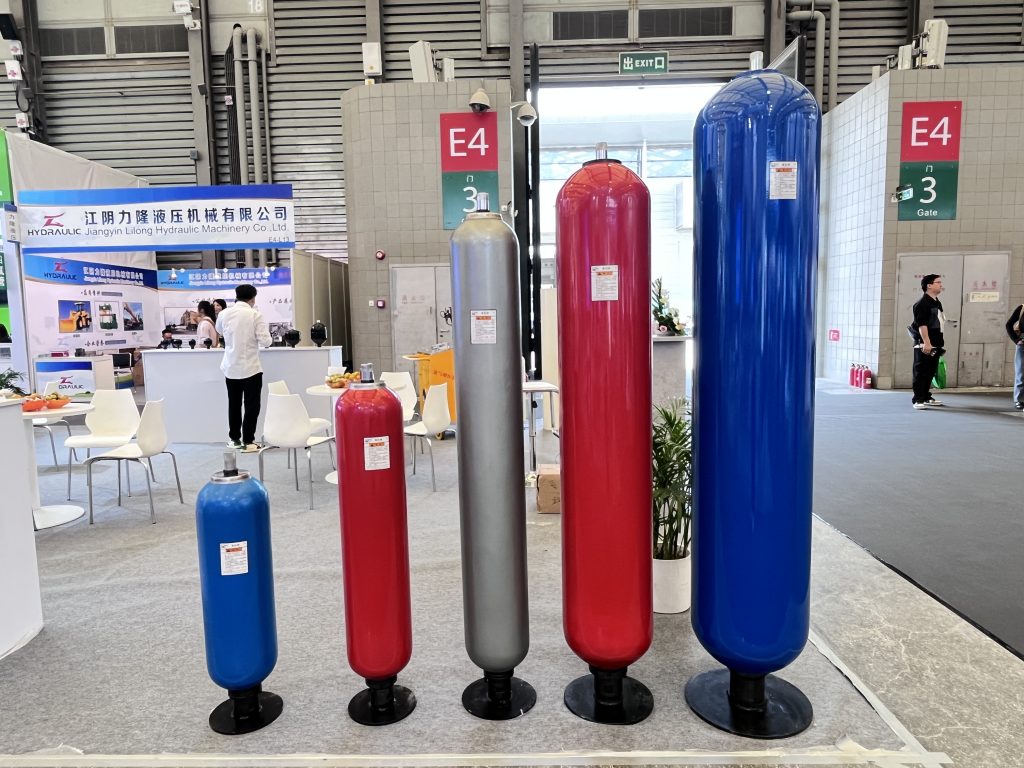
To charge your accumulator, do these steps:
- Make sure the system is at normal temperature and all parts are safe.
- Turn off the system and let out all hydraulic pressure.
- Connect the charging tool to the nitrogen tank and the accumulator.
- Check what precharge pressure your accumulator needs.
- Take off the safety cap from the gas valve.
- Open the charging valve slowly and let nitrogen go in.
- Watch the pressure gauge and stop at the right precharge.
- Close all valves and let out any gas left in the hose.
- Take off the charging tool and put the safety cap back on.
- Tag the accumulator with the precharge pressure and date.
You should fill the accumulator a little above the target precharge. This helps if you lose a bit of gas when you take off the hose. After charging, check the precharge again to make sure it is right.
Safe Charging Practices
Safety is the most important part of charging an accumulator. Only use nitrogen for pre-charging. Never use air or oxygen. Nitrogen is safe because it does not react with oil or heat. Air or oxygen can cause dangerous explosions.
Before you start, wear safety goggles and gloves. Make sure there are no leaks in the accumulator or hoses. Always use a charging kit made for nitrogen. This kit should have a gauge, valve, hose, and adapter for the nitrogen tank. Use a certified nitrogen bottle with a regulator. Store nitrogen tanks standing up and keep them from falling over.
CRITICAL SAFETY WARNING: Never use oxygen or compressed air to charge an accumulator. Oxygen mixed with hydraulic oil under pressure can explode and hurt you badly.
You must always keep the accumulator separate from the hydraulic system before charging. Let out all hydraulic pressure and check that the gauge says zero. This step keeps you safe from sudden fluid release.
Ningbo Chaori Hydraulic follows strict safety rules like ISO9001, ASME, and CE. These rules help make sure your accumulator is safe and works well. Always set the precharge pressure just like the manual says. This keeps your hydraulic system working well and saves money on repairs.
- Wear all needed safety gear.
- Fix any leaks before you start charging.
- Use the accumulator charging valve to control pressure during work.
- Always tag the accumulator with the precharge pressure after charging.
By following these steps, you keep your equipment safe and help your accumulator last longer.
Accumulator Charging Issues and Safety
Signs of Proper Charging
You can tell if an accumulator is charged right by watching the hydraulic system. When you use a charging rig, it helps keep the gas pressure correct. Here are some things to look for:
- The actuator moves fast and smooth.
- The pressure gauge does not jump or drop a lot.
- The hydraulic pump does not turn on and off too much.
If the actuator moves slowly, the gauge shakes, or the pump cycles a lot, you should check your charging rig and fix the pre-charge.
Overcharging and Undercharging Risks
It is very important to charge your accumulator with the right pressure. A charging rig helps you not make mistakes. If you put in too much or too little pressure, you can hurt your equipment or make it work badly.
Other problems are:
- Too much pressure can rip or bend the bladder.
- Wrong pressure can stop the accumulator from working right.
You must use the charging rig to set the right pressure and keep the system safe.
Monitoring and Maintenance
Checking your accumulator often keeps it safe and working well. Always use a charging rig to check and change the gas pressure. Here are the steps for good care:
- Turn off the accumulator and let out all hydraulic pressure.
- Put the charging rig and gauge on the valve.
- Add nitrogen gas slowly until you reach the right pre-charge.
You should also:
- Check if the oil is clean to protect the seals.
- Look for leaks near the fittings.
- Make sure you use the correct fluid.
- Check valves and strainers to see if they work right.
- Watch for slow or strange changes in system pressure.
- Listen for weird noises or shaking.
- Make sure the accumulator works well when used.
Check the pre-charge pressure with your charging rig after one week, then again after three months. Keep checking every three to six months, depending on how your system works. For big or high-pressure accumulators, follow the schedule in your manual.
Each accumulator type needs different care. Bladder types need careful gas checks. Piston types need clean oil. Diaphragm types are strong but still need regular checks. Always use a charging rig for every check and change. This keeps your system safe and helps your accumulator last longer.
FAQ
How often should you check the pre-charge pressure?
You should check the pre-charge pressure after one week, then after three months. Keep checking every three to six months. If your system works hard, check more often.
Can you use compressed air instead of nitrogen?
Never use compressed air. Only use nitrogen gas. Air can mix with oil and cause an explosion. Nitrogen is safe and does not react with oil.
What happens if you overcharge an accumulator?
If you overcharge, the bladder or diaphragm can burst. The piston can get damaged. Your system may not work right. Always follow the correct pressure from the manual.
How do you know which accumulator type you have?
Look at the label on the accumulator. Check the user manual or datasheet. You can also compare the shape and size to the table below:
| Type | Shape | Common Use |
|---|---|---|
| Bladder | Cylinder, round | Mobile equipment |
| Piston | Long, straight | Heavy machinery |
| Diaphragm | Small, compact | Light equipment |
Tip: Always tag your accumulator with the pre-charge pressure and date after charging.