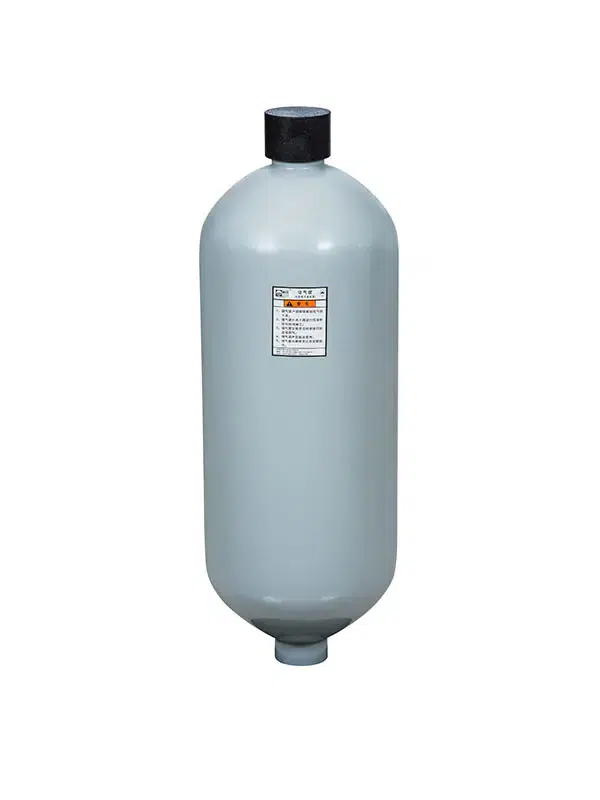
Hydraulic accumulators do not have a fixed replacement cycle, but most systems require inspection every 3-6 months and are typically replaced within 5 to 10 years, depending on operating conditions. Actual service life varies depending on the number of pressure cycles, temperature, fluid quality, and maintenance.
Bladder accumulators and diaphragm accumulators generally wear out faster because their flexible components age over time, especially with frequent cycles. Piston accumulators tend to have a longer service life, but still require regular checks for seal wear and leaks.
Regular maintenance and monitoring of precharge pressure are crucial for extending accumulator life. Timely accumulator replacement helps maintain system efficiency, safety, and reliability.
Key Takeaways
Accumulators usually last one to three years. With good care, some can last up to twenty years.
It is important to check and hydrotest them every five years. This keeps them safe and working well.
Look for signs like losing pressure, leaks, or strange noises. These signs tell you it is time to replace an accumulator.
Use clean hydraulic fluid and keep things clean. This helps accumulators last longer.
Always follow what the manufacturer says for installing and taking care of accumulators. This keeps them safe and reliable.
Accumulators Replacement Intervals
Typical Lifespan
Most accumulators last from one to three years. If you take care of them, some can last ten to twenty years. The kind of accumulator you have is important. Bladder types usually need to be changed every five to ten years. Piston and diaphragm types might need new parts at other times. Always read the manufacturer’s guide for your model. If you use your equipment in hard places, you may need to change parts more often.
Factors Affecting Replacement
Many factors affect the lifespan of an accumulator. Here are some important things to know:
Excessively high or low temperatures accelerate wear on seals, the bladder, and the diaphragm.
Dirty hydraulic fluid can damage the soft components inside the accumulator, including the bladder and diaphragm.
Dust, vibration, and rough handling in harsh environments can lead to accumulator component replacements twice as frequently as in clean environments.
Frequent use of the equipment or frequent pressure changes accelerate wear.
Tip: Keep your hydraulic system clean and check the hydraulic fluid regularly. This helps extend the lifespan of your accumulator.
Hydrotesting and Recertification
To ensure the safety of your accumulator, you need to test and recertify it. Most regulations require a hydrostatic test every five years. This test checks for leaks and ensures the accumulator can withstand pressure. Different regulations have different procedures. You should always comply with the regulations applicable to your region and when you use the equipment. Regular testing and recertification help prevent accidents and ensure your system functions properly.
Accumulator Inspection and Maintenance
Inspection Frequency
You should check your accumulators often to keep them safe. Regular checks help you find problems before they get worse. The table below shows how often to check each part of your accumulator system:
Inspection Type
Frequency
General Inspection
At least once a year
Hydrotesting
Every five years
Examination under operating conditions
Annually or twice every five years
Maximum interval between examinations
No more than three years
Note: Always follow the inspection schedule in your manual. This keeps your system safe and follows all rules.
Maintenance Checklist
You can keep your accumulators working well by using a checklist. Here are some important steps you should follow:
Check the oil for dirt or anything bad in it.
Look for leaks around the fittings and manifold blocks.
Make sure you use the right kind of fluid.
Check valves, strainers, and manifolds to see if they work right.
Watch how the system acts when the pressure changes.
Listen for weird noises or feel for strange shaking.
Make sure the accumulator works well when it is used.
Do pressure-holding or hydrostatic tests if needed.
Check inside parts like the bladder, piston, diaphragm, and seals every 3 to 5 years.
Look for scratches, rust, or damage inside the unit.
Change any parts or seals that are worn out.
Test the unit all the way before you use it again.
Tip: Write down each step you finish. This helps you remember what you checked and when you did it.
Record Keeping
Good records help you keep your accumulators safe and working well. When you keep track of checks and repairs, you can find problems early and plan better. Keeping records also helps you follow safety rules. Here are some reasons to keep good records:
You follow all safety and legal rules.
You can plan when to fix or change things more easily.
You find and fix the same problems faster.
You take care of your equipment better over time.
Always keep your records in a safe place. Look at them often to make smart choices about your hydraulic system.
Signs Accumulators Need Replacement
Pressure Loss
Sometimes, your hydraulic system does not keep pressure well. This can happen if gas or fluid leaks out of the accumulator. If you see the pressure dropping faster than usual, check the accumulator. Pressure loss usually means parts inside are worn out or seals are broken. Do not ignore this sign because it can cause bigger problems in your system.
Leaks or Damage
Leaks and damage are easy to spot, meaning you’ll need to replace the accumulator. Please check the following:
For moisture or oil stains near joints, valves, or welds.
For dents or rust on the accumulator housing.
For drips or water accumulation under the equipment.
Leaks are usually caused by aging seals or damaged connections. Dents and rust weaken the housing, creating safety hazards. If you find these problems, take immediate action to prevent further failure.
Tip: Always check for leaks, dents, or rust during each inspection. Early detection ensures system safety.
Unusual Noises
Unusual sounds may indicate an internal accumulator malfunction. You might hear knocking, hissing, or popping sounds. These sounds could be due to cavitation, where bubbles form and burst inside the accumulator. Internal leaks could also be causing gas or liquid to leak into unwanted areas. Worn or damaged internal parts may also be the cause. These unusual noises usually precede component failure. If you hear any unusual sounds, stop the vehicle immediately and inspect the accumulator system.
System Failures
Sometimes, the whole hydraulic system does not work right. You may see slow movement, weak force, or sudden stops. These problems can happen if the accumulator cannot store or release energy. If you notice these signs, check the accumulator first. Replacing a bad unit can fix your system and stop downtime.
Note: Checking often helps you find these signs early. Acting fast protects your equipment and keeps your work safe.
Extending Accumulator Life
Proper Installation
You can help your accumulator last longer if you install it right. Always read and follow the instructions from the manufacturer. Make sure you mount it the right way and set the precharge pressure as told. If you do not do these things, the accumulator can wear out or break early. The table below shows some good ways to install an accumulator:
Installation Practice
Description
Proper Installation
Follow rules for mounting, direction, and precharge pressure for best results.
Scheduled Maintenance
Check pressure, look for problems, and test how it works often.
Filtration and Fluid Management
Use clean fluid and keep filters in good shape to stop dirt.
Operating Conditions
Stay in the safe pressure and temperature range to avoid damage.
Tip: Use the right tools and supports when you put in an accumulator. This stops shaking and stress.
Fluid Quality
Clean hydraulic oil helps the accumulator function properly and extends its service life. Dirty oil can scratch seals and diaphragms, causing leaks and ultimately damaging the accumulator. You should use high-quality hydraulic oil and check the oil level regularly. Change the hydraulic oil and filter as instructed to ensure proper system operation.
Cleanliness
Keeping your system clean can prevent problems before they occur. Dirt in the oil can wear down the inside of the accumulator, shortening its lifespan. You should use a filter and keep the oil temperature appropriate. The table below explains the importance of keeping it clean:
Key Point: Cleanliness is crucial. Check and replace your filters frequently to protect your accumulator.
Quality Parts
You should always use good parts when you fix or replace things. Cheap or wrong parts can make leaks, lose pressure, or even break the system. Pick parts that match what the manufacturer says to use. This helps your accumulator stay safe and last longer.
Tip: Keep a list of good suppliers. This helps you find the right parts fast.
If you follow these steps, your accumulators will last longer and work better in your hydraulic system.
Safety and Compliance
Risks of Delay
You should not wait too long to replace or fix your hydraulic accumulators. Waiting can be dangerous. Old or broken units might burst or leak. This could hurt someone or damage your equipment. If you ignore warning signs, your system might stop working all of a sudden. You could also get fined if you do not follow safety rules. Always fix problems as soon as you see them.
⚠️ Alert: Acting fast keeps you and your workplace safe. Do not ignore leaks, pressure loss, or weird noises.
Safe Handling
Always follow safety procedures when operating or replacing the accumulator. Before starting operation, ensure the hydraulic system pressure is zero. Before opening or moving the accumulator, bleed all liquid and gas pressure from the device. Wear safety protective equipment, such as goggles or a face shield. Do not stand in front of hydraulic or gas interfaces while working. These steps help prevent accidents and injuries.
Always read your user manual for more safety tips.
Disposal Guidelines
When you throw away used accumulators, you must follow the rules for the environment and the law. Used units can be hazardous waste. The table below shows some important rules:
Condition
Requirement
Accumulation Time
Hazardous waste can only stay on-site for up to 90 days.
Container Condition
Containers must be in good shape and not leak.
Compatibility
Containers must match the kind of hazardous waste inside.
Inspections
You must check the storage area every week.
Special Conditions
Flammable or reactive wastes must be stored at least 15 meters from property lines unless approved otherwise.
You should always use the right containers and keep records when you throw things away. This helps the environment and keeps you following the law.
? Tip: Ask your local waste authority if you are not sure about disposal rules.
FAQ
How do you know when to replace a hydraulic accumulator?
You should watch for pressure loss, leaks, or odd sounds. If you notice these signs, change the accumulator soon. Checking often helps you find problems early.
What is the difference between bladder, piston, and diaphragm accumulators?
Type
Key Feature
Bladder
Quick to react, flexible
Piston
Works with high pressure
Diaphragm
Small and not heavy
Pick the type that works best for your system.
How often should you check accumulator pressure?
Check the pressure at least once every year. If you use the system a lot, check it more times. Always follow the schedule in your manual.
Can you repair an accumulator, or must you replace it?
You can fix some parts, like seals or bladders. If the shell or main parts are damaged, you need to get a new unit. Always use good parts when you repair.