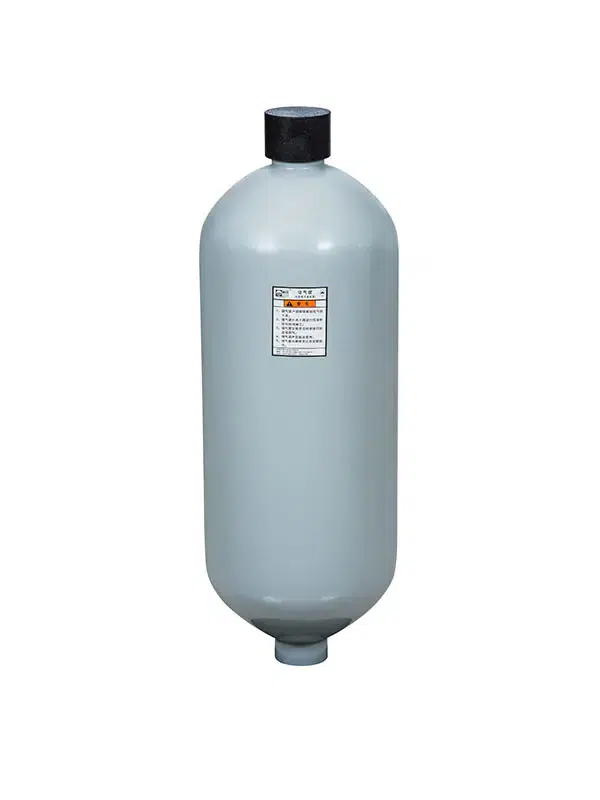
You add nitrogen to a hydraulic piston accumulator by following safety rules. You must use only dry nitrogen. Using other gases is dangerous:
Always fill accumulators with dry nitrogen, not compressed air or oxygen. Nitrogen does not react easily with other chemicals. Oxygen and compressed air help fires start, so they can be very dangerous.
Ningbo Chaori Hydraulic is known for being safe and reliable. Their hydraulic accumulators have important certifications:
| Feature/Certification | Description |
|---|---|
| ISO 9001-2000 | This shows the company has good quality control. It means their products are always made well. |
| Special Equipment Designing and Manufacture License | This license is from China’s safety group. It shows the company follows safety rules. |
| ASME Manufacture Certificate | This certificate is for making pressure vessels. It means the company follows safety and quality rules. |
| EU CE Certificate | This certificate shows the product is safe in Europe. |
| National Standard Participation | The company helps make national rules for accumulators. This helps keep the industry safe. |
Key Takeaways
- Always use dry nitrogen to fill hydraulic accumulators. Other gases like air or oxygen can be unsafe and cause bad reactions.
- Check the precharge pressure often. Do this after one week of use. Then check every three to six months. This helps the system work well.
- Follow safety steps before adding nitrogen. Make sure the system is off. Wear protective gear. Check for leaks. This keeps you and the equipment safe.
Getting Ready to Pre-charge an Accumulator
Tools and Equipment Checklist
You need the right tools before you start. The correct tools keep you safe. They also help your system work well. Here is what you should have:
- Nitrogen gas bottle (only dry nitrogen, not oxygen or air)
- Charging rig with a pressure gauge, hose, and adaptors
- Regulator to control how much nitrogen flows
- Valve adaptors that fit your accumulator
- Pressure gauges that show the right pressure
- Charging rig with bleed valves for safety
- Charging rig that matches your accumulator’s pressure
- Safety gear like gloves, eye protection, and work clothes
- Wrenches and other simple hand tools
Nitrogen is best because it does not react with oil or chemicals. If you use oxygen or air, it can explode and be very dangerous.
Knowing Hydraulic Piston Accumulator Types
Ningbo Chaori Hydraulic makes three main accumulator types. Each one has special uses and features. You need to know your type before you use the charging rig.
| Type of Accumulator | Response Time | Gas Compression Ratio | Flow Rate | Maintenance Needs |
|---|---|---|---|---|
| Bladder | Less than 25 ms | About 4:1 | 15 L/s | Handles dirt well |
| Piston | More than 25 ms | Up to 10:1 | 215 L/s | Needs clean fluid |
| Diaphragm | Medium | Up to 8:1 | Limited | Like bladder |
- Bladder accumulators are good for construction machines.
- Piston accumulators are used in car suspensions and boats.
- Diaphragm accumulators are used for emergency power in oil and gas.
Safety Steps Before Adding Nitrogen
You must follow safety steps before you use the charging rig. This keeps you and your equipment safe.
- Make sure the hydraulic system is off and has no pressure.
- Use the charging rig to check there is no oil in the accumulator.
- Always wear gloves and eye protection when using the charging rig.
- Only use nitrogen to pre-charge. Never use oxygen or air.
- Make sure your workspace is clean and has no fire dangers.
- Always connect the charging rig to the right valve and check for leaks.
The safety part on the nitrogen side should not go off before the hydraulic side. This stops nitrogen from coming out fast and keeps the accumulator safe.
If you follow these steps and use the charging rig right, your system will stay safe and work well.
Pre-charging an Accumulator: Step-by-Step
Depressurizing and Isolating the System
Before you add nitrogen, you need to take out all the pressure from your hydraulic piston accumulator. This keeps you safe and stops damage to your equipment. Here is what you should do:
- Use a wrench to take off the gas valve from the accumulator. Listen for a hissing noise. This means there is still gas inside.
- If you hear gas coming out, turn the valve slowly. Let the pressure out little by little. Do not take the valve off fast.
- When no more gas comes out, remove the valve all the way. Put in a new sealing washer. Tighten the valve with a spanner wrench.
- Connect the charging rig to the valve. Make sure the gas chuck is in the middle and the connection is tight. Close the bleed valve.
- Hold the accumulator steady and look for leaks. Put soapy water on the valve and washer. Watch for bubbles. If you see bubbles, fix the leak before you go on.
Always keep the accumulator away from the hydraulic system. Make sure the system is turned off and empty. Wear safety goggles and gloves. Never use air or oxygen. Only use nitrogen.
Connecting the Nitrogen Charging Kit
You have to hook up the charging kit to your hydraulic piston accumulator. Only use kits made for this job. Here is how you do it:
- Make sure the accumulator has no pressure and is not connected to the system.
- Use a charging kit that has a pressure gauge, hose, and adaptors.
- Attach the kit to the gas valve. Check that all the valves are closed.
- Connect the nitrogen hose to the nitrogen bottle.
- Open the fill valve slowly. Let nitrogen go into the accumulator.
- Watch the pressure gauge as you add nitrogen. Go slow so you do not put in too much.
- Keep the accumulator steady while charging. Follow the instructions for your model.
Never use air or oxygen. Nitrogen is safe and does not react with hydraulic fluid. Other gases can cause explosions or fires.
Setting Precharge Pressure and Adding Volume
You need to set the precharge pressure to the right level. This helps your hydraulic piston accumulator store energy and work well.
Pre-charge Pressure: This is the starting pressure of the gas (usually nitrogen) inside the accumulator before you use the system. It should be about 80-90% of the lowest system pressure to store the most energy.
Watch the gauge as you add nitrogen to set the pressure. If you need more nitrogen, add it slowly. Too much can break things. Too little can make the system weak.
- Too much nitrogen can make the pressure too high and break things.
- Not enough nitrogen can make the system work badly.
If you need to add more nitrogen, do it a little at a time. Check the pressure often. If the pressure is too low, add more nitrogen until it is right. If you go over, let some gas out slowly.
Tip: Always use pure nitrogen. Never use air or oxygen. Even a little oxygen can react badly with hydraulic fluid.
Monitoring and Final Checks
After you add nitrogen, you need to watch the pressure and check for leaks. Here is what you do:
- Make sure the system is at the right temperature and turned off.
- Keep the accumulator away from the system and let out any hydraulic pressure.
- Connect the filling or testing valve to the nitrogen tank. Keep all valves closed.
- Check the precharge pressure to make sure it matches what you need.
- Open the fill valve to let nitrogen in.
- Watch the pressure gauge as you add nitrogen. Go slow.
- Close the fill valve and bleed valve when you are done.
- Check the precharge pressure again after a few minutes.
| Step | Description |
|---|---|
| 1 | Wait a few minutes and check the precharge pressure again to make sure it is right. |
| 2 | Take off the hose and charge valve parts, then put a tag on the accumulator with the date and pressure. |
| 3 | Put on the charge valve protection cap to keep the accumulator safe. |
| Step | Description |
|---|---|
| 1 | Make sure all valves are closed before you take off the accumulator from the charge hose. |
| 2 | Take off the charging hose from the tank and make sure the valve is closed. |
| 3 | Put the protective cap back on after you check the valve is closed. |
Note: If you need to add more nitrogen, always do it slowly. Check for leaks every time you add nitrogen. If you see bubbles or blisters on the bladder, call a specialist. Charging too fast can break things, like making a star burst shape or cutting the poppet.
You should follow these steps every time you add nitrogen to your hydraulic piston accumulator. This keeps your system safe and helps it work well.
Maintenance and Safety Tips for Piston Accumulators
Regular Pressure Checks
You need to check the precharge pressure in your hydraulic piston accumulator often. First, check it after you use it for one week. Then, check again after three months. If the pressure does not change, check every three to six months. This helps you find problems early and keeps your system working well. Checking often stops your system from working badly or breaking down. Always write down your pressure checks and service dates. This record helps you see changes and plan when to do maintenance.
Tip: After each yearly service, use test gauges that are checked for accuracy. Write down all pressure readings. Keep these numbers as your starting point for the year.
Avoiding Overcharging and Leaks
Do not put too much nitrogen in your accumulator. Too much pressure can break seals and make leaks. Always add nitrogen slowly and watch the pressure gauge. To find leaks, put soapy water on all connections, the gas valve, and the accumulator shell. Watch for bubbles. Look closely at valve threads, seals, and any rust. Pressure monitoring systems can help you find leaks or bladder damage by watching pressure and temperature changes. If you find a leak, fix it right away so you do not get bigger problems.
When to Contact Ningbo Chaori Hydraulic
Sometimes you need help from an expert. If your system works badly, needs nitrogen often, or has fluid on the gas side, call Ningbo Chaori Hydraulic. Other warning signs are broken seals, strange system actions, or rust you can see. Never use an accumulator with dents or cracks. The table below shows when you should ask for help:
| Symptoms | Action |
|---|---|
| Poor performance, frequent recharging | Check the gas valve, add nitrogen, and test for leaks |
| Fluid on gas side, cannot hold pressure | Take out and change inside parts |
| Damaged seals, erratic performance | Check the fluid, change filters, and clean the system |
| Corrosion, dents, or cracks | Change the part or get a professional to check it |
Note: If you see the pressure drop fast or your system stops, stop using it and call for help right away.
When you pre-charge your hydraulic accumulator the right way, it is safer. The system also works better. You should only use certified equipment that meets these rules:
- ASME Boiler & Pressure Vessel Code VIII, Division 1
- Check the equipment often and get it recertified
| Benefit | Result |
|---|---|
| System efficiency | The system reacts faster and has fewer pressure jumps |
| Lower maintenance cost | Parts last longer and do not wear out as fast |
| Risk prevention | There are fewer drops in pressure and less chance of harm |
| Safety | Pressure stays steady and the system is safer to use |
Ningbo Chaori Hydraulic helps you quickly if you need service for your accumulator.
FAQ
How often should you check the nitrogen precharge?
You should check the precharge after one week, then every three to six months. Write down each check in your maintenance log.
Can you use compressed air instead of nitrogen?
Never use compressed air. Only use pure nitrogen. Air can cause explosions or fires. Nitrogen keeps your system safe.
What should you do if you see a leak?
- Stop using the accumulator.
- Check all connections for leaks.
- Call Ningbo Chaori Hydraulic for help if you cannot fix the problem.