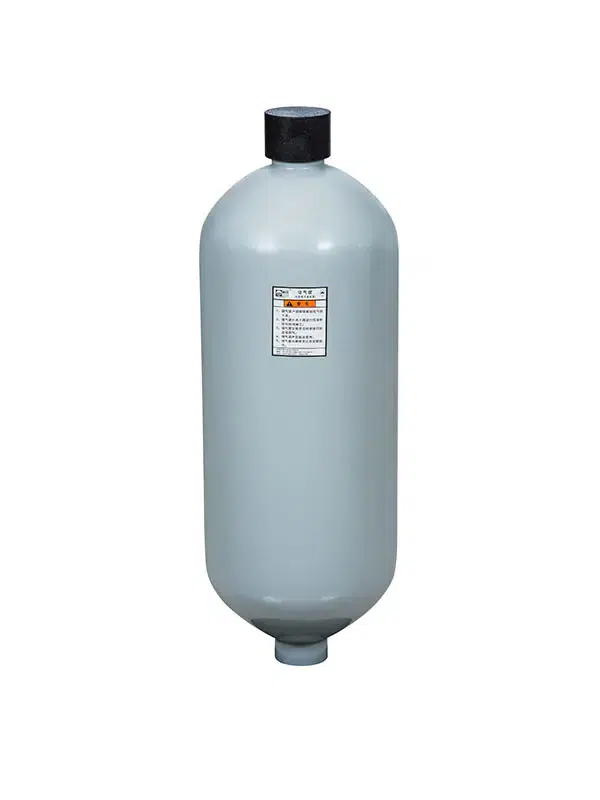
Exercise extreme caution when releasing accumulator rank pressure to prevent injury and ensure equipment safety. Always wear appropriate personal protective equipment and use the correct tools. Chaori Hydraulic, a leading manufacturer of hydraulic accumulators, advises users to strictly adhere to the operating instructions specific to their model. Before proceeding, disconnect the hydraulic accumulator from the system and ensure the pressure is released slowly. Hazardous energy may remain stored within the accumulator even after the system has been shut down; improper handling can lead to system instability, equipment damage, or serious personal injury. Always check for leaks and use suitable fittings. Remain vigilant and consistently follow safe operating procedures to ensure your safety and that of the work area.

Key Takeaways
- Always wear safety gear, such as gloves and goggles, before operating the hydraulic accumulator.
- Check for leaks and ensure the accumulator is disconnected from the system before releasing pressure.
- Read and follow the manufacturer’s instructions to safely release pressure and use the correct tools.
- Monitor the pressure gauge closely during operation to ensure safety and prevent accidents.
- Document all maintenance steps to track the system’s operating condition and ensure its safety.
Preparation for Relieving Accumulator Pressure
Safety Gear and Tools
You must wear safety gear before starting. Put on gloves, goggles, and protective clothes. Use tools that fit your system’s pressure. Chaori Hydraulic gives nitrogen charging tools and safety valve blocks. These tools help you stay safe. Dry nitrogen stops dangerous reactions. Safety valves help you control pressure release. Using approved tools keeps you and your equipment safe.
- Gloves, goggles, and protective clothes
- Nitrogen charging tools for safe gas use
- Safety valve blocks for controlled pressure release
- Pressure gauges and regulators that fit your accumulator
Tip: Only trained and certified people should work with high-pressure systems. Learning more helps your team stay safe.
Inspect Accumulator and Work Area
Check your hydraulic accumulator and work area first. Look for leaks near fittings and manifold blocks. Make sure the oil is clean and has no dirt. Check valves, strainers, and manifolds to see if they work right. Listen for strange sounds or feel for shaking. Test the unit if you need to. Change old parts or seals. Chaori Hydraulic’s bladder, piston, and diaphragm models need checks to stay reliable.
- Check oil for dirt
- Look for leaks at fittings and blocks
- Check valves and manifolds
- Listen for weird sounds
- Test how well it holds pressure
- Change old parts
Review Manufacturer Guidelines
Read the instructions from the manufacturer before starting. Chaori Hydraulic gives clear steps for each model. Let out all pressure before working. Use only approved tools and gear. Follow steps to let out pressure slowly and safely. Use dry nitrogen for charging. Make sure all tools fit your accumulator model.
- Always read instructions before charging or letting out pressure
- Let out all pressure before fixing anything
- Use approved tools and special gear
- Follow steps for slow pressure release
| Standard | Description |
|---|---|
| European Pressure Equipment Directive (2014/68/EU) | Relief valves must meet safety rules and set pressure limits. |
| ASME Section VIII | Safety valves must follow capacity and blowdown rules. |
| Certification Requirements | Third-party checks and papers are needed for safety. |
You build trust and safety by doing these steps. Chaori Hydraulic’s skill and quality help you keep your system safe and reliable.
Accumulator Pressure Relief Procedure
Letting out accumulator pressure is very important. You need to do each step the right way. This keeps you and your equipment safe. Chaori Hydraulic makes tools that help you do this job safely and quickly.
Isolate Accumulator from System
First, you must separate the hydraulic accumulator from the system. Use shut-off valves to do this. Always wear gloves and goggles for safety. Make sure there is no pressure left in the accumulator or system. Read the instructions from the manufacturer. Chaori Hydraulic’s safety valve blocks and one-way valves make this step safer.
- Put on your safety gear.
- Close the shut-off valves to separate the accumulator.
- Check that all pressure is gone from the hydraulic side.
- Look at the system instructions for the right steps.
Tip: Never skip this step. Trapped pressure can come out fast and hurt you.
Open Bleed Valve
Next, open the bleed valve after you isolate the accumulator. This lets the pressure out slowly. If you need to add gas, always use dry nitrogen. Make sure the accumulator is held in place. Chaori Hydraulic has nitrogen charging tools and bleed valves for their models.
- Let out all pressure before you work.
- Open the bleed valve slowly to release trapped pressure.
- Do not take off the retaining ring if there is still pressure.
- Wear goggles and gloves for safety.
Always let out all the pressure before you start. This is very important. High-pressure fluid can hurt you badly if it comes out fast.
Use Safety Relief Valve
You need to use a safety relief valve to control pressure. Set the relief valve between 2500 and 3000 psi. This keeps the pressure safe for the system. Chaori Hydraulic’s safety valve blocks help you set the right pressure. Put the accumulator upstream to stop pressure spikes. Use a pressure gauge to check the pressure between the relief valve and cylinder.
- Set the relief valve to the right range.
- Use a pressure reducing valve for normal pressure.
- Put the accumulator upstream for better control.
- Use a gauge to check the system pressure.
Note: Safety relief valves keep you safe from sudden pressure releases.
Monitor Pressure Gauges
You must watch the pressure gauges during this job. Look at the gauges as you let out pressure. Make sure the accumulator pressure goes down to zero. Watch for signs of trapped pressure. Chaori Hydraulic gives you good pressure gauges and regulators for this. If the pressure does not go down, stop and check for leaks or blockages.
- Watch the pressure gauge closely.
- Make sure accumulator pressure is zero.
- Look for signs of trapped pressure.
- Stop if you see strange readings.
Watching gauges helps you avoid mistakes and keeps you safe.
If you follow these steps, you can let out pressure safely. Chaori Hydraulic’s tested tools and good quality help you do this. You keep yourself and your equipment safe by doing things the right way and using trusted tools.
Post-Relief Checks
Confirm Zero Pressure
You always need to make sure the pressure is zero in the hydraulic accumulator. Use a pressure gauge that is checked for accuracy. Look at the gauge and see if it shows any pressure. If you see any pressure, stop right away. Trapped pressure can be very dangerous.
If you do not check for zero pressure, you could have leaks of liquid or gas. These leaks can hurt the environment. The system might become unstable or the pressure could change quickly. Your equipment could get damaged. Not checking for zero pressure can cost more money and cause more repairs.
Checklist:
- Look at the pressure gauge closely.
- Make sure the gauge says zero.
- Check that all valves are open and pressure is gone.
Inspect for Leaks or Damage
After you know the pressure is zero, look at the accumulator and parts nearby for leaks or damage. Check for oil or gas around the fittings, flanges, or valves. Listen for odd sounds or shaking. These things can mean there is a problem inside.
Some problems you might find are:
- Fluid leaks outside at fittings or valves. This can mean a seal or bladder is broken.
- Odd sounds, knocking, or shaking. These can mean gas pockets or gas and fluid are mixing.
- The pressure gauge moves a lot or the relief valve opens. This can mean there is a problem inside or too much pressure.
If you see these problems, use tools like leak detectors or dye tests. Change old seals or bladders and test the unit again before using it. Chaori Hydraulic’s high standards help lower these risks, but you still need to check often.
Document Maintenance
You should always write down what you did for maintenance. Write the date, time, and what you did. Write down any parts you changed or problems you found. Good notes help you know how your equipment is doing and plan for future checks.
Keeping good records helps keep things safe and working well. It also helps you follow rules for your factory or industry.
Doing these checks after letting out pressure helps you in many ways:
- You make the system work better.
- You keep people and equipment safe.
- You save money by stopping big repairs.
- You stop failures from pressure changes.
- You keep pressure steady when the system is running.
Chaori Hydraulic Accumulator, a trusted company, says you should do these steps for every hydraulic accumulator. Their focus on quality and care helps your system work its best.
Safety Tips and Common Mistakes
Key Precautions
You must follow careful safety steps when letting out accumulator pressure. Chaori Hydraulic makes products that meet world safety rules. Using the right steps keeps you and your equipment safe. The table below lists important safety tips from experts in hydraulics:
| Safety Tip | Description |
|---|---|
| Monitor system performance | Watch accumulator signs to find problems early. |
| Install isolation valves | Use the right valves and drains for safe work. |
| Maintain clean hydraulic fluid | Check fluid often to stop dirt and damage. |
| Control temperature | Keep temperatures steady to protect parts from stress. |
| Train personnel | Make sure workers know all safety steps. |
| Follow safety procedures | Always use safety rules to stop injuries and damage. |
Always wear gloves and goggles for safety. Check the pressure gauge before you begin. Chaori Hydraulic’s bladder, piston, and diaphragm accumulators have certified safety valve blocks and nitrogen charging tools. These tools help you control pressure and stop accidents. The Ningbo factory uses special welding to make products that do not leak. You get safe and steady performance every time.
Tip: Only trained people should work with high-pressure systems. Training helps lower risks and keeps everyone safe.

Mistakes to Avoid
You can stop common mistakes by following the maker’s rules and using the right tools. Here are some mistakes to watch out for:
- Wrong precharge pressure: Too much precharge can break bladders. Too little makes the system weak. Always use Chaori Hydraulic’s advice, usually 85-90% of the lowest system pressure.
- Inadequate safety margin: Not leaving room for pressure spikes can hurt the system. Add a 25-30% safety buffer above the highest pressure you expect.
- Poor material compatibility: Using the wrong seal can cause leaks and dirty fluid. Match the bladder and seal to your fluid type.
- Incorrect sizing: Accumulators that are too small cannot handle shocks. Ones that are too big waste money. Figure out the right size using gas law math.
- Ignoring temperature effects: Changes in temperature can change gas precharge and how things work. Think about the full temperature range when planning.
- Neglecting maintenance access: If accumulators are hard to reach, checks get skipped and things break. Make sure they are easy to inspect and replace.
Chaori Hydraulic’s diaphragm accumulators have ASME and CE safety certificates. This means they are safe in many situations. The company has lots of stock and skilled engineers for fast delivery and new ideas. You build trust and keep things working well by picking a good supplier and using these safety steps.
You can let out accumulator pressure safely if you follow each step carefully. Always wear the right safety gear and use the correct tools. Follow the instructions from the manufacturer for your model.
Key steps for safe pressure relief:
- Stop the machine and put on the brake.
- Separate the accumulator and check the nitrogen pre-charge.
- Test the system to see if the pressure is steady and responds fast.
Chaori Hydraulic is a trusted supplier. They make accessories that help you work safely. Checking often and using the right tools keeps your equipment and team safe.
FAQ
What is proper precharge for a hydraulic accumulator?
Proper precharge helps your hydraulic accumulator work well and stay safe. Chaori Hydraulic has a precharge guide you can use. Most systems need precharge at 85-90% of the lowest hydraulic pressure. Always read your manufacturer’s instructions for the best advice.
How do you check proper precharge in a pressurized system?
You need a pressure gauge to check the precharge. Turn off the pressurized system before you start. Hook the gauge to the gas valve. Chaori Hydraulic’s nitrogen charging tools make this job safe. Always let out pressure before you begin.
Why is proper precharge important for hydraulic pressure?
Proper precharge keeps the hydraulic pressure steady. The right precharge stops leaks and damage. Chaori Hydraulic’s accumulators work best with the right precharge. This protects your equipment and keeps your system working well.
How often should you follow depressurization procedures?
You should let out pressure every time you check or fix your accumulator. Chaori Hydraulic says you should check often. The right precharge and safe steps keep your system steady and help your equipment last longer.
Where can you find a precharge guide for proper precharge?
You can get a precharge guide from Chaori Hydraulic’s website or their manuals. The guide shows you how to set the right precharge for your accumulator. You get expert help from a trusted company and factory.