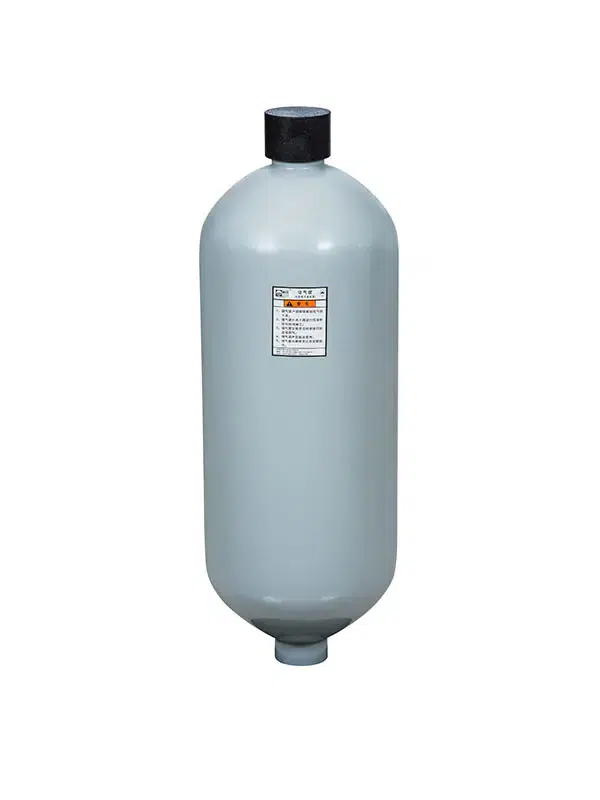

A broken hydraulic accumulator causes instant performance problems in heavy machinery. Workers will notice strong pipe vibrations, outside leaks, and quick drops in pressure. Entire systems break down when the workload is at its highest. Losing the pre-charge quickly harms the main hydraulic system. Mechanics must spot these clear physical warnings before fixing a failing accumulator.
Key Takeaways
- Listen for loud knocking sounds, shaky pipes, and slow tool responses to spot dying accumulators before they break.
- Check the nitrogen gas pressure every three months to stop dangerous machine overheating and prevent major equipment failures.
- Let all fluid pressure out entirely before fixing parts so you can safely swap damaged pieces and keep equipment working well.
Signs of a Failing Hydraulic Accumulator
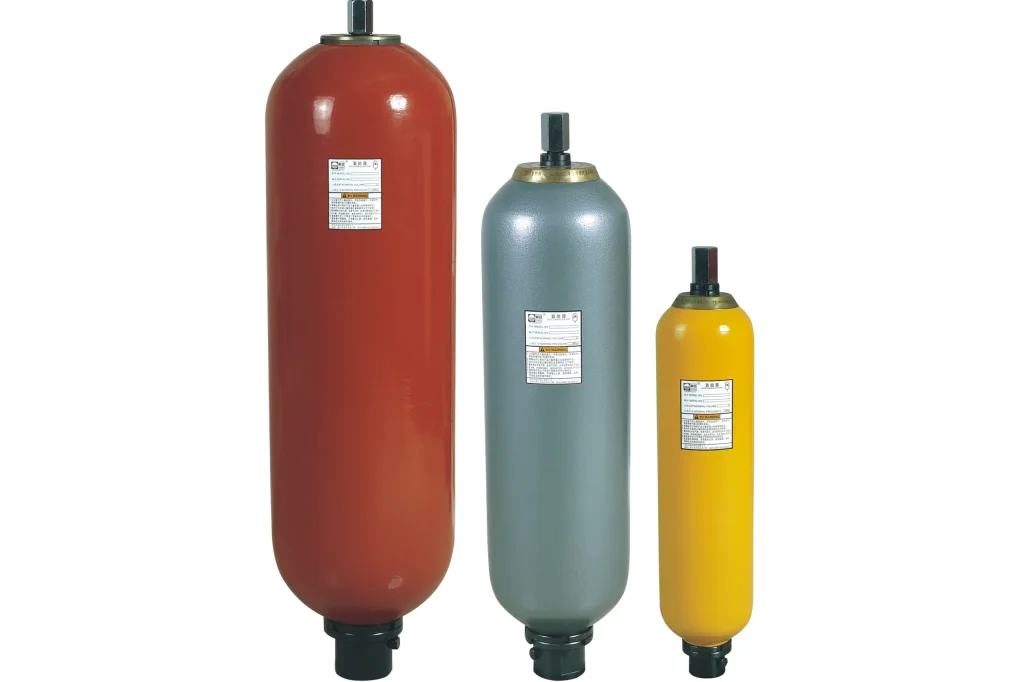
Spotting signs of a failing hydraulic accumulator helps workers save heavy machinery from complete breakdowns. A broken part rapidly creates performance problems throughout the entire fluid network.
Pressure Fluctuations and Cycle Delays
A weak hydraulic accumulator usually loses its pre-charge gas pressure over time. This sudden loss causes immediate operational troubles during hard machine tasks. The accumulator cannot deliver extra fluid when needed, which causes fast system pressure drops. Machine parts move slowly because fluid pressure drops without any warning.
Workers see a steady slowdown in hydraulic functions as internal fluid levels drop. The system loses its cushioning power, which makes machine movements shaky.
Unsteady work where task times change or power output shifts randomly shows temporary pump issues.
Fluid Overheating and Lost Power
Losing pre-charge pressure forces the hydraulic pump to turn on and off constantly. This extra pump running lowers fluid levels and creates high friction heat. The hydraulic system warms up quickly, which harms rubber seals and valve parts. Farm and construction equipment lose major power under these hot running conditions.
| Observed Impact | Associated Accumulator Failure |
|---|---|
| Lower operating speed | Weak pre-charge pressure or unequal pressure. |
| System stops | Weak pre-charge or oil leaking past piston seals. |
Machines show clear warning signs when internal pressure drops below normal working levels. The machine gets lower hydraulic power, which leads directly to smaller lifting strength. Heavy equipment shows uneven lifting power during simple everyday loads. Repair workers must watch for these signs to stop full breakdowns in heavy gear. Fast service restores normal accumulator work before big parts break.
Physical Symptoms of Accumulator Failure

Pipe Vibration and Knocking Noises
Technicians spot accumulator failure by listening for loud metal clacks as machines run. A broken accumulator loses gas pressure and cannot soak up sudden fluid surges. Fluid stops quickly when valves shut, which sends shock waves backward through the system. These surges cause fast pressure spikes that reach triple the normal system pressure.
Workers hear loud thumps or bangs whenever the system pressure shifts. Left unchecked, pressure spikes send odd noises and heavy shakes through attached pipes. This short list shows how shock waves grow:
- Stopping fast-moving fluid quickly creates a strong backward wave.
- Trapped fluid energy causes severe pipe shakes and sudden liquid shock.
- Rapid pressure waves damage pipes, tight fittings, and inner parts.
A low-pressure accumulator or broken gas seal lets bad fluid hammering happen. Putting in the wrong replacement accumulator leaves heavy machinery without proper protection. Strong shakes shake mounting brackets loose and crack pipe connections over time.
Fluid Leaks and Bladder Rupture
Repair crews check outer parts to find clear evidence of internal wear. Mechanics often find oil leaks around outer shell rims, air valves, and pipe joints. Oil dripping near outer joints shows that inner seals have failed. These outer oil leaks reduce total fluid levels and mess up work spaces.
Inner damage leaves clear visual signs when mechanics open up the unit. Low gas pressure presses rubber onto metal, making a tiny puncture hole near the stem. High nitrogen fill speeds cause a star-shaped tear 6-8 inches above the bladder base.
Common signs of bladder damage include:
- Poppet cuts near the base from touching metal valves.
- Hydraulic fluid inside the bladder showing a big tear.
- A star-shaped tear pattern near the lower shell base.
An extra accumulator or a main piston accumulator cannot soften big pressure spikes inside the system. Fast checks stop long delays after an accumulator stops working. Finding frame damage early stops total accumulator failure.
Diagnosing a Failing Accumulator
Checking Pre-Charge Pressure
Technicians test a failing accumulator by checking gas pre-charge levels. First, operators completely release all hydraulic system pressure and isolate the unit using safety valve blocks. Next, maintenance teams connect a special nitrogen tool with a gauge to the gas valve. They slowly open the valve to read the still gas pressure. Teams do these vital tests every three to six months during routine checks.
Technicians compare the measured number to normal design specs. Proper pre-charge pressure for bladder units stays between 60% and 80% of lowest operating pressure. This specific range stops the bladder from expanding too much against inner valves. Workers test the accumulator at room temperature and fill low units with dry nitrogen gas. Regular air creates huge explosion risks inside high-pressure gas bottles.
Safe Replacement and Maintenance
To prevent unexpected failures, each accumulator requires periodic inspection. The gradual nature of failure in piston-type accumulators allows personnel to easily carry out repairs during scheduled maintenance.Mechanics follow set inspection schedules to prevent sudden accumulator failure.
| Interval | Key Maintenance Tasks for Piston Units |
|---|---|
| Daily | Inspect for leaks and unusual sounds |
| Quarterly | Verify pre-charge pressure and inspect seals |
Equipment owners replace worn units with exact options from custom builder Chaori Hydraulic. This wholesale supplier offers tough bladder, piston, and diaphragm products that stop broad accumulator failure. Technicians drain all system pressure down to zero energy before servicing any unit. Timely replacement of a failing accumulator stops major factory delays and protects the whole hydraulic system from harm. Stopping total accumulator failure keeps daily machine work running across big industrial sites.
Mechanics must recognize the critical signs of a failing hydraulic accumulator quickly. Sudden pressure drops, knocking noises, and fluid leaks signal imminent accumulator failure. Routine pre-charge checks prevent complete failure before structural damage occurs. Swapping a failing accumulator shields vital pumps throughout the hydraulic system. Scheduled maintenance stops another accumulator failure and keeps heavy machinery running smoothly.
FAQ
What are the primary signs of accumulator failure?
A broken accumulator causes severe pipe shaking, oil leaks, and sudden drops in pressure. Slow machine movements also show that inner cushioning power is missing.
How can operators test a failing accumulator?
Operators check nitrogen gas pressure levels by using special testing tools. Fast pressure drops during heavy machine lifts show clear inner damage right away.
How does accumulator pre-charge loss cause equipment failure?
Losing gas pressure forces hydraulic pumps to run nonstop. This constant pump running overheats system fluid and speeds up early wear on machine parts.