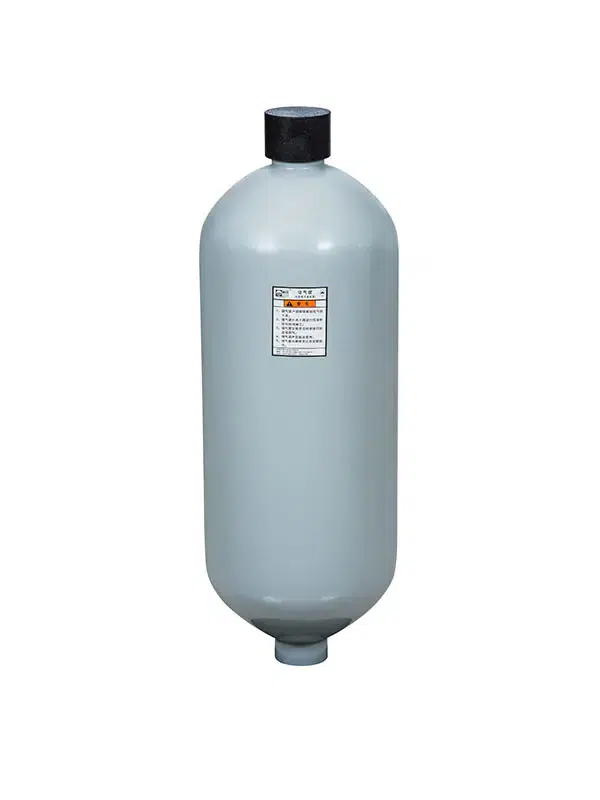
Selecting the appropriate hydraulic accumulator depends on your specific system requirements and operating conditions. The primary step is to determine the operating pressure range—including both minimum and maximum pressures—as this directly influences the type of accumulator required and the setting of its pre-charge pressure.
Next, it is necessary to consider the required fluid volume and energy storage capacity. This helps determine the appropriate specifications for the accumulator, thereby ensuring it can fully meet all system demands without becoming overloaded. The specific application scenario is equally critical: bladder-type accumulators are suitable for applications requiring rapid response; piston-type accumulators excel in high-pressure and large-capacity environments; while diaphragm-type accumulators are the ideal choice for compact systems.
Other important factors that must not be overlooked include operating temperature, fluid compatibility, and available installation space. These factors directly influence the selection of materials and the structural design of the accumulator.
Be sure to choose a trustworthy manufacturer—such as “Chaori”—to guarantee product quality and safety. Only by making the right choice can you ensure stable and reliable system performance, extend the service life of your equipment, and effectively reduce maintenance costs.
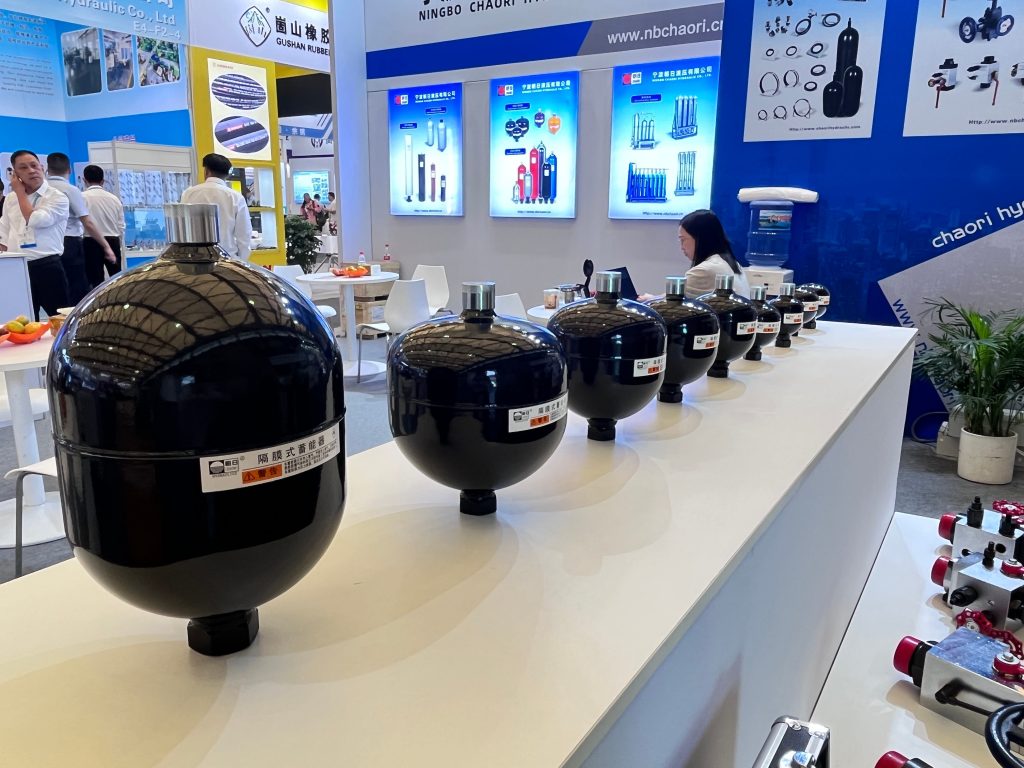
Key Takeaways
- Know what your system needs before you pick a hydraulic accumulator. Think about how much pressure and flow you need, and what you will use it for.
- Always look at the pre-charge pressure. Set it to 80-90% of the lowest system pressure. This helps the accumulator work well.
- Pick the right accumulator for your job. Use a bladder type if you need a fast response. Use a piston type if you need high pressure. Use a diaphragm type if you have little space.
- It is important to do regular maintenance. Check for leaks and make sure the pressure is right. This stops the system from breaking and saves money on repairs.
- Talk to experts like Ningbo Chaori Hydraulic. They have certified products and can give you advice that fits your needs. This keeps your system safe and working well.
Hydraulic accumulator selection factors
System requirements
First, you need to know what your system needs. The hydraulic accumulator must fit the pressure and flow of your equipment. Check both steady and changing loads. Look at the lowest and highest pressure in your system. The usable volume is how much fluid the accumulator can give when needed. Think about how fast the accumulator must react, especially for machines that move quickly or need safety.
Here is a table to show the main things to check:
| Parameter | Description |
|---|---|
| Minimum System Pressure | The lowest pressure in the hydraulic system. |
| Maximum System Pressure | The highest pressure in the system. |
| Pre-charge Pressure | The first gas pressure in the accumulator before the system starts. |
| Pre-charge Rule | Should be set at 90% or less of the lowest system pressure. |
| Pressure Ratio Rule | The highest pressure must not be more than four times the pre-charge pressure. |
Always follow these rules to keep your hydropneumatic system safe and working well.
Application needs
Think about how you will use the accumulator. Some machines need quick energy bursts. Others need steady flow or help with shaking. Hydropneumatic accumulators are good for storing energy and stopping pressure spikes. If your system moves fast, pick an accumulator that reacts quickly. For slow or steady systems, use a bigger unit with more usable volume. Always pick the right accumulator type for your job. Ningbo Chaori Hydraulic has many choices for different uses.
Safety and environment
Safety is very important when picking an accumulator. Make sure your choice follows industry rules. For example, the ASME Boiler and Pressure Vessel Code and the Pressure Equipment Directive (PED) have rules for design and testing. Here is a table with some important standards:
| Standard/Certification | Description |
|---|---|
| ASME Boiler and Pressure Vessel Code | Needs certification for vessels with inside diameters of 6” or more, marked with a ‘U’ symbol, and must follow design and material rules. |
| Pressure Equipment Directive (PED) | Needs CE marking for vessels over 1 liter and special design rules, with rules for materials and testing. |
You also need to think about where your system works. If it is very hot, cold, or has chemicals, pick the right materials. This helps your hydropneumatic accumulator work well and last longer. Ningbo Chaori Hydraulic gives you certified products that meet world safety rules and can handle hard conditions.
Accumulator sizing guide
Sizing parameters
When you size an accumulator, you must check a few things. The most important thing is usable fluid volume. This means the fluid you can use between the highest system pressure and about 200 psi above the pre-charge pressure. Do not use the total capacity when you size the accumulator. If you do, your system might not work right.
Here are the main things to look at:
- Pre-charge pressure
- Usable fluid volume
- Maximum system pressure
- Minimum system pressure
- Temperature effects
Pre-charge pressure is the gas pressure inside before you add hydraulic fluid. You should set this at 80-90% of your system’s minimum pressure. This helps the accumulator react fast and keeps your system safe. If the pre-charge is too high or too low, the accumulator will not work well.
Temperature can change how much fluid the accumulator holds. If your system gets hot or cold, the gas inside will get bigger or smaller. You need to think about this when you pick your accumulator.
Sizing calculation steps
There are different ways to find the right size for your accumulator. The most common way uses the ideal gas law. This method helps you know the smallest volume you need for your system’s pressure and temperature.
| Method | Description |
|---|---|
| Ideal Gas Formula | Uses the ideal gas law to calculate the minimum required accumulator volume based on pressure and temperature conditions. |
| Density Method | Uses fluid density values to determine accumulator volume with a different formula. |
Here is an easy step-by-step guide:
- Find your system’s highest and lowest pressure.
- Decide how much fluid you need from the accumulator.
- Set the pre-charge pressure. For energy storage, use 90% of the lowest system pressure. For shock absorption, use 60%-75% of normal working pressure. For pulsation dampening, use 60%-80% of normal working pressure.
- Use the ideal gas law or ask an engineer for help.
- Change your answer if your system works in hot or cold places.
Tip: Always use usable fluid volume, not total capacity, for your math. This makes your sizing better and keeps your system safe.
You might need help from an expert if your system is tricky. You should talk to Ningbo Chaori Hydraulic engineers if you have special needs, like:
- High or changing pressure
- Large or fast fluid flow
- Wide temperature range
- Special fluids or materials
- Not much space for mounting
Ningbo Chaori Hydraulic can help you pick the right accumulator for your system. Their team knows how to solve hard sizing problems and can make sure your system is safe and works well.
Types of accumulators and applications
There are three main types of accumulators in most hydraulic systems. Each type is good for different jobs and has its own benefits. The table below shows how each one works and where you can use it:
| Type | Description | Advantages | Applications |
|---|---|---|---|
| Bladder Accumulators | Use a flexible bladder filled with gas to separate fluid and gas. | Fast response, low maintenance | Mobile hydraulics, industrial systems |
| Piston Accumulators | Use a piston to separate gas and fluid, handle high pressure well. | High volume storage, durability | Heavy machinery, large-scale systems |
| Diaphragm Accumulators | Use a diaphragm to keep gas and fluid apart. | Compact, quick response | Small circuits, mobile equipment |
Bladder type
Bladder accumulators have a rubber bladder inside. This bladder keeps the gas and fluid apart. When pressure goes up, fluid pushes on the bladder and squeezes the gas. When the system needs fluid, the gas pushes the fluid out. These accumulators react fast and help stop shocks. They are good for mobile machines and factory systems that need quick energy or need to stop pressure spikes.
Tip: Bladder types work well with dirty fluids and water. They also work with fluids that do not have much oil. You should check the pre-charge pressure often to protect the bladder. If the pre-charge is too high or too low, the bladder can break.
Piston type
Piston accumulators use a piston that moves to keep gas and fluid apart. These can handle high pressure and lots of fluid. You see them in big machines, oil and gas tools, and large presses. The piston design stores a lot of energy and lasts a long time. There are no rubber parts, so they work well in hard jobs. They may not react as fast as bladder types, but they last longer and can handle more pressure.
Diaphragm type
Diaphragm accumulators use a soft diaphragm to keep gas and fluid apart. These are small and light, so you can use them in small spaces or on moving machines. They react quickly and are good for medium pressure. You find them in brake systems, small hydraulic circuits, and machines that need fast pressure changes.
Ningbo Chaori Hydraulic sells all three types of hydropneumatic accumulators. You can pick a standard model or ask for a custom one for your system. Each accumulator follows strict safety and quality rules, so you can trust them in any job.
Common mistakes in accumulator selection
When you pick a hydraulic accumulator, you need to avoid mistakes. These mistakes can make your system break, cost more money, or be unsafe. Many people make errors by not looking at all system details, picking the wrong size, or forgetting about maintenance. You can stop these problems if you know what causes them and follow good steps.
Overlooking system variables
Sometimes, people forget to check all the details in their system. If you do not set the right pre-charge pressure, things can go wrong. Too much pre-charge can crush the bladder or make the piston move the wrong way. Too little pre-charge can let the piston hit the gas end cap or make the bladder collapse. Both problems can cause leaks, loss of pressure, or even sudden failure. You should always use dry nitrogen for pre-charging. Never use oxygen or other gases because they can mix with oil and explode. Always look for safety stickers that tell you the right gas to use.
Incorrect sizing
If you pick the wrong size, your system will not work right. A common mistake is using total capacity instead of usable volume. If the accumulator is too small, you can lose pressure and the system can fail. If it is too big, the system will react slowly and you will spend too much money. Wrong sizing can also make it hard to stop shocks or control pulsations. You might see more leaks or slow system action. Always match the energy storage to what you need and check the pressure rating for your job.
| Consequence | Description |
|---|---|
| Pressure Collapse | The accumulator is too small, leading to operational failure. |
| Sluggish Response | The accumulator is too large, causing delays and poor shock suppression. |
Ignoring maintenance
You should not skip regular maintenance. If you do, you can get leaks, lose pressure, or have a failure. Regular checks help you find problems before they get worse. Maintenance makes parts last longer and keeps the system ready to stop shocks and control pulsations. It also helps you save money by avoiding big repairs and keeps the pressure at the right level.
| Impact of Maintenance | Description |
|---|---|
| Prevents unexpected breakdowns | Regular checks stop failure before it happens. |
| Reduces wear on components | Maintenance keeps parts working longer and reduces leaks. |
| Ensures optimal pressure | Proper service keeps pressure steady for shock and pulsations control. |
| Avoids costly repairs | Preventive care costs less than fixing failure after it happens. |
Tip: Always follow good steps. Check pre-charge pressure, use the right gas, and pick the right size for your system. If you are not sure, ask an expert from Ningbo Chaori Hydraulic. This will help you stop failures and keep your system safe.
You can pick the right hydraulic accumulator by doing some simple steps.
- Look at your system’s pressure and flow needs.
- Pick an accumulator that can store enough energy and help in emergencies.
- Put the accumulator close to where shocks happen to stop pressure spikes.
- Add a check valve so fluid does not go backward.
- Always choose the size by how much fluid you can use, not the total amount.
It is smart to ask Ningbo Chaori Hydraulic experts for help with certified choices. Careful planning helps your system stay safe and work well.
FAQ
What is the main job of a hydraulic accumulator?
A hydraulic accumulator saves energy as pressurized fluid. It helps keep pressure steady in your system. It can also stop shocks or give emergency power when needed.
How do you know which accumulator type to choose?
You choose the type by what your job needs.
- Bladder: Reacts quickly
- Piston: Handles high pressure
- Diaphragm: Fits in small space
Tip: If you are not sure, ask Ningbo Chaori Hydraulic for help.
How often should you check the pre-charge pressure?
Check the pre-charge pressure every three months. If your system works in hard places, check it more often. This helps your accumulator stay safe and work well.
Can you use any gas for pre-charging?
No, you must only use dry nitrogen gas. Never use oxygen or air. The wrong gas can be dangerous or hurt your system.