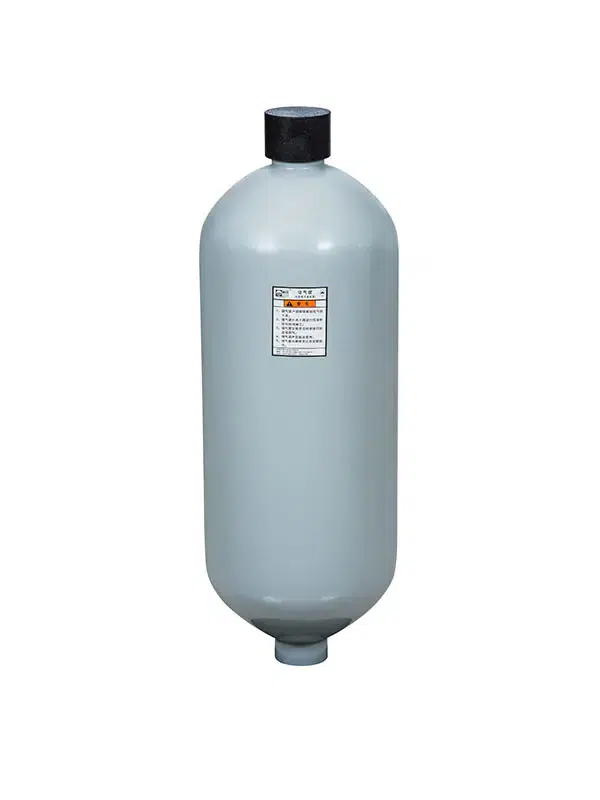
You need the valve to work fast to keep your hydraulic system safe. If a valve moves in just milliseconds, it can protect your accumulator. If it is slow, your equipment could get damaged. In industrial environments, even a small wait can make pressure go up or things break.
Chaori Hydraulic has many years of experience making these solutions. Their designs keep your system safe and work quickly. You want fast and steady performance for the best safety.
This guide provides a professional evaluation of valve response times, diagnostic testing parameters, and system optimization strategies to help you engineer a more reliable hydraulic circuit.
Key Takeaways
- Fast valve response time is very important for safety because quick valves stop pressure from getting too high and causing damage.
- Pick bladder or diaphragm accumulators for systems with lots of pressure changes, as they act fast to keep the system safe.
- Test how fast valves work during maintenance to help the system work better and lower the chance of leaks or failures.
- Choose valves and accumulators that fit your system, because the right size and setup make the system work well and last longer.
- Use smart control solutions and diagnostic tools to make valves respond faster, which helps the system run better and last longer.
Accumulator Types and Response Characteristics

To evaluate protection speed, you must first understand the mechanical response limits of your energy storage component.
Bladder and Diaphragm Accumulators
Bladder and diaphragm accumulators react fast in hydraulic systems. They use flexible parts that change quickly when pressure changes. This lets them release or take in energy almost right away. Quick action is important when pressure suddenly goes up or down.
- Bladder accumulators respond faster because the bladder changes shape quickly.
- Diaphragm accumulators also react fast, so they are good for systems needing quick protection.
Chaori Hydraulic makes both bladder and diaphragm accumulators. You can use them where fast valves and quick protection are needed. For example, heavy machines or wind power systems need fast response to avoid damage and keep working well.
Piston Accumulators in Hydraulic Systems
Piston accumulators work in a different way. They use a piston to keep gas and fluid apart inside. This gives steady performance and good control. The piston must move to handle pressure changes, so it reacts a bit slower than bladder or diaphragm types.
You might choose a piston accumulator for steady energy storage and controlled release. These work well in construction machines and equipment needing precision. Chaori Hydraulic’s piston accumulators fit both low and high-pressure jobs, so you have many choices.
Operational Application Guidelines:
| Accumulator Type | Response Speed | Engineering Use Case |
| Bladder | Near-instantaneous | Fast-acting, high-shock systems |
| Diaphragm | Near-instantaneous | Centralized, quick-response systems |
| Piston | Slightly slower | Stable, precise control applications |
Always pick the right accumulator for your hydraulic system. Fast response helps protect your equipment and keeps your system safe.
Why Valve Response Time Matters

Role in Hydraulic System Protection
You need valves to react fast to keep things safe. When pressure goes up quickly, the valve must move right away. Valve response time means how fast the valve opens or closes. If the valve is quick, it lets out extra pressure and keeps your equipment safe. If the valve is slow, pressure can build up and become dangerous. This can break parts or even cause accidents.
If there is a sudden spike, a fast valve opens and lowers the pressure. You should pick valves that always respond well. If the valve is slow, you will notice problems.
- Internal leakage happens when the valve spool or poppet cannot seal well because of wear, dirt, or damage, which makes it hard for the valve to keep pressure.
- This causes the system to act strangely, like slow actuator movement or not holding a load, and can lead to more leaks and broken parts.
- Leaks inside and outside the system make it less efficient, so there is less fluid to do work, and this can make parts break faster.
- Both types of leaks lower system efficiency and can cause more leaks and broken parts.
You should always check how fast your valves respond. Even a tiny delay can hurt how much work gets done and cause problems with quality. Fast valves keep things steady and help avoid costly stops.
Impact on Accumulator Performance
Valve response time changes how well your accumulator works. If the valve is fast, the accumulator can store or give energy at the right time. This keeps the hydraulic system steady and working well. If the valve is slow, the accumulator cannot react fast enough. You might see pressure go up or down too much, which hurts how the system works.
Quick valve moves help stop turbines and machines from going too fast. Fast valves can close or open to control steam, which makes the system safer and stops bad things from happening. Ways to control how fast valves open again can make the system even safer and steadier.
Valve response time also changes how much energy your accumulator can hold. If the valve is fast, the accumulator can handle big flows and high pressure. You get good energy storage and smooth work. Slow valves make it hard for the accumulator to protect the system, leading to less efficiency and higher repair costs.
Factors Affecting Valve Response Time
Control Electronics and Signal Delay
Control electronics send signals to move the valves. In a hydraulic system, you have a power supply, flow control valve, actuator, and servo controller. The servo controller checks sensor feedback and your commands. It sends a signal to the valve to open or close.
How fast this happens depends on the electronics. If the signal is slow, the valve cannot move quickly. The electromagnetic coil design, iron core size, and current strength matter too. High-speed on–off valves give fast response and are very reliable. These valves still work well if the fluid is not very clean.
Valve Movement and Flow Dynamics
Mechanical parts inside the valve change how fast it moves. Friction in the valve stem or actuator can slow things down. This is more common in bigger valves. If the valve and actuator fit well, there is less lag. Integrated valve-actuator assemblies remove extra parts that slow things down. This makes the system react faster.
Engineering Actuation Benchmarks (Under standard operating pressure):
| Valve Actuation Technology | Typical Full-Stroke Movement Time |
| Industrial Valves (General) | 0.1 to 5 seconds to move all the way. |
| Pneumatic Valves | Usually move in 0.5 to 3 seconds. |
| Electric Valves | Can take 2 to 15 seconds. |
| Hydraulic Valves | The fastest; move in 0.1 to 1 second. |
System and Environmental Influences
The system’s environment changes how fast valves respond. Very hot or cold weather can make seals hard or soft, which changes how well the valve works. Humidity or dirty fluid can cause rust or clogging. This makes the valve work unevenly.
Cold weather makes oil thick and slows the valve. Hot weather can break seals and oil, causing more friction. Dust and dirt can wear out parts and block the actuator.
Mobile hydraulic systems need very fast response, about 5 to 10 milliseconds, because pressure changes quickly. Stationary systems can handle slower changes. If the valve is slow, you lose work and quality. Even a small delay can hurt how well your system works.
Consequences of Slow Valve Response
Risks to Hydraulic System Safety
If a valve is slow, your hydraulic system is not safe. Slow valves cannot let out pressure fast, which makes pressure go up quickly. High pressure can break pipes or seals, and sometimes, the whole system can get damaged. You might see leaks or hear loud sounds if the valve is too slow.
If you use a Chaori Hydraulic accumulator, the valve should be fast too. Fast valves keep your system safe and steady. Slow valves can make actuators move at the wrong time. This can cause accidents or things to fall. Your equipment may stop working right, and sometimes, a slow valve can shut down the whole system. You should check how well your valves work often to stop these problems.
Effects on Accumulator Longevity
Slow valves change how long your accumulator lasts. If the valve is not quick, the accumulator gets more stress. This can wear out the bladder, piston, or diaphragm inside. Over time, your accumulator may not work as well, and it might not store or give energy like before.
Fast valves help it handle pressure changes easily, which makes your system last longer and saves money on repairs. If you use Chaori Hydraulic accumulators, use fast valves with them. This gives you the best performance and longest life.
- Test how fast your valve works often.
- Make sure valve speed matches the accumulator type.
- Look for signs of wear or leaks.
- Change slow valves to keep your system working well.
Optimizing Valve Response Time and Diagnostic Testing
Selecting the Right Valve and Accumulator
You need to pick valves and accumulators that fit your hydraulic system. The right choice makes your system work better and last longer. If you size the valve right, you stop pressure drops and keep things steady. How you set up your system helps it respond quickly. Things like vibration, temperature, and dirt can change how valves and accumulators work. The materials and seals must match your fluid and conditions so everything stays reliable.
You need to match the valve’s pressure rating to your system’s highest pressure. Settings like cracking pressure and relief setting must fit how your actuator and pump work. Clean oil, good temperature, and how often you use the system affect how well it works.
Sizing Principle: You should size accumulators so they handle actuator flow for one to five seconds. This helps your system work well and stay safe.
Chaori Hydraulic has bladder, piston, and diaphragm accumulators that help your system respond fast and stay reliable. You can use their nitrogen charging tools, one-way valves, and safety valve blocks to make your system work better. You get good energy storage and shock absorption for your hydraulic system.
Diagnostic Testing Methods and Sensors
You need to design your hydraulic system so it works well and lasts long. Put valves close to actuators to cut down signal delay, and use short lines to lower pressure loss and make your system more efficient. Pick materials that last and fit your fluid. Modular valve blocks make repairs easier and help your system stay reliable.
Check your valves and accumulators often. Clean the fluid and change filters when needed. Look at seals and materials to see if they are worn out. To accurately evaluate valve block speed, maintenance teams must test how fast valves respond using diagnostic tools like pressure sensors, particle counters, and thermography guns.
Sensor Reaction Times (For Test Benches):
| Sensor Technology | Diagnostic Reaction Time |
| Pressure Sensors | React in one to ten milliseconds. |
| Piezoelectric Sensors | Are faster but can change with temperature. |
| Strain Gauge Sensors | Are slower but steady. |
| Turbine-Type Flow Sensors | Take ten to fifty milliseconds. |
| Ultrasonic Sensors | Can be slower. |
You need to teach your team how to use these tools and understand the results. Training helps your system work well and stay reliable.
Advanced Control Solutions and Field Data
You can use advanced control solutions to make valve response time faster and improve how your system works. New valve technology uses signal processing and real-time control systems. High-speed processors and smart software cut down delays and make your system reliable. Fast communication systems and priority messages lower signal delays. Special hardware like digital signal processors and custom chips make signal processing quicker. High-resolution sensors help watch and fix delays as they happen.
Valve technology is better now with solenoid design, electronic controls, and new valve types. You get faster movement and better efficiency.
- Better magnetic circuits and lighter parts for faster movement.
- Microcontrollers and smart algorithms cut response delays.
- Pilot-operated and multi-stage designs make valves respond faster.
- Material choices use low-hysteresis and high-conductivity for speed and reliability.
- Smart materials like magnetorheological elastomers give quick and precise control.
- Additive manufacturing makes complex parts to help fluid flow and lower pressure drops.
Empirical Field Testing Results: Under controlled diagnostic testing, a digital servovalve reached its set point in only 3.5 ms. This shows that fast response makes systems better. Another study found high-frequency switching valves saved energy and money in casting systems.
You can make your systems better by:
- Using good valves and accumulators from Chaori Hydraulic.
- Checking your systems often for leaks or slow parts.
- Teaching your team to find problems early.
- Keeping your systems clean and taking care of them.
- Picking advanced control solutions for your systems.
- Making sure accumulators fit 1-5 second actuator flow in your systems.
- Using solenoid valves for better efficiency in wind turbine systems.
If you do these things, your systems will last longer, be safer, and work better.
FAQ
What is valve response time in a hydraulic system?
Valve response time is how fast a valve moves. It shows how quickly the valve opens or closes. Fast response keeps your hydraulic system safe. It also helps everything work smoothly.
How does a slow valve affect my hydraulic system?
A slow valve can make pressure go up too fast. This can break parts or make your system less efficient. Quick valves help keep your system safe.
Why should I test valve speed in my system?
Testing valve speed helps you find problems early. You can stop failures before they happen. Checking often makes your system more reliable.
What tools help measure valve response in a hydraulic system?
You can use pressure sensors and flow meters. Diagnostic tools also help check how fast your system reacts. These tools help keep your system safe.