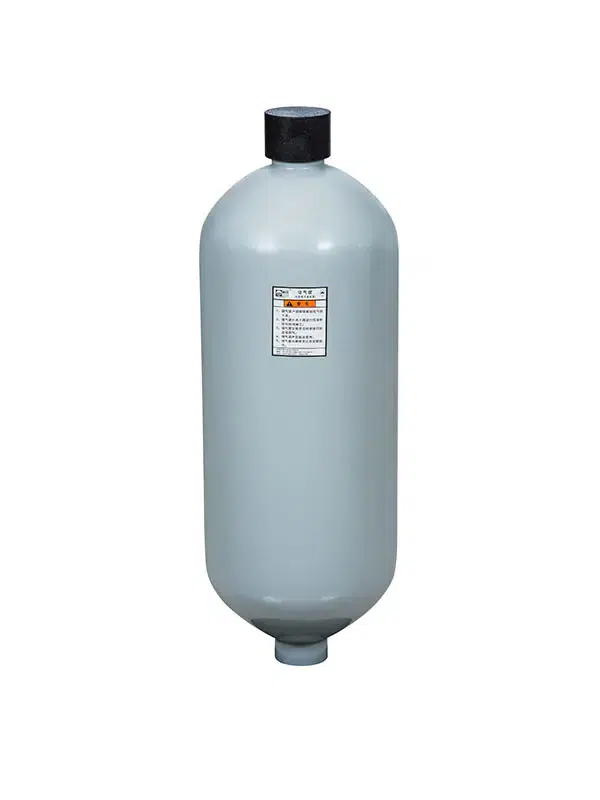

Understanding the common bladder materials used in accumulator construction is essential for optimizing system performance, fluid compatibility, and energy storage. Various elastomer choices—such as Nitrile (Buna-N), Butyl, EPDM, Viton, Hydrin, and ECO—directly dictate how long an accumulator lasts and how it handles chemical exposure. For reliable energy storage across demanding industries, sourcing engineered solutions like a Chaori Hydraulic Accumulator ensures precise material matching for your operating environment.
Key Takeaways
- Matching bladder materials to system fluids and thermal limits prevents premature failure and optimizes energy storage.
- Nitrile handles mineral oils and water-glycol across -20°C to +80°C, making it a versatile choice for standard industrial equipment.
- Viton delivers exceptional resistance to synthetic fluids and high temperatures up to +150°C in heavy-duty oil and gas applications.
- EPDM and Butyl provide superior performance for water-based fluids and steam, while Hydrin and ECO excel in outdoor ozone resistance.
- Regular monitoring for nitrogen gas permeation (ideally keeping monthly loss under 4% and operating below 70°C) prevents sudden efficiency drops.
Common Bladder Materials in Accumulator Construction
The choice of elastomer inside your pressure vessel defines its operational boundaries. Each material provides distinct advantages depending on fluid media and thermal cycles.
Nitrile (Buna-N)
- Operates within a standard temperature range of -20°C to +80°C.
- Highly compatible with mineral oils and water-glycol fluids.
- Offers moderate gas permeation and high durability for general industrial machinery.
Butyl
- Operates within a temperature range of -30°C to +100°C.
- Exceptional sealing performance for systems utilizing water and brake fluids.
- Exhibits low gas permeation but requires careful usage in high-heat environments.
EPDM
- Operates within a temperature range of -40°C to +120°C.
- Engineered specifically for water-based media, steam, and brake fluids.
- Provides low gas permeation and excellent durability in offshore and energy applications.
Viton (FPM)
- Operates within an extreme temperature range of -20°C to +150°C.
- Delivers superior resistance against synthetic and aggressive chemical fluids.
- Characterized by very low gas permeation and excellent strength under rapid pressure cycling.
Hydrin and ECO
- Operate within temperature ranges spanning -30°C/+40°C up to +120°C.
- Excellent resistance to oil, ozone, and outdoor weather conditions.
- Widely utilized in mobile agricultural and marine equipment requiring flexibility outdoors.

Performance Factors of Bladder Materials
Chemical Compatibility and Fluid Interaction
Selecting an incompatible fluid causes the elastomer membrane to swell, crack, or lose structural strength. While standard Nitrile suits mineral oils, upgrading to Hydrogenated Nitrile (HNBR) or Viton is necessary when introducing synthetic fluids.
Temperature Thresholds
Exceeding manufacturer thermal limits drastically accelerates aging. Continuous operations where fluid temperatures exceed 70°C degrade elastomer lifespan significantly.
Gas Permeation Dynamics
Because bladder accumulators feature a large surface area, nitrogen naturally diffuses through the elastomer over time. Unchecked gas loss exceeding 4% per month compromises energy storage efficiency, making routine pre-charge tracking mandatory.
Bladder Material Comparison Table
| Bladder Type | Temperature Range | Chemical Compatibility | Gas Permeation | Durability | Typical Applications |
| Buna (Nitrile) | -20°C to +80°C | Mineral oils, water-glycol | Moderate | High | Industrial, mobile equipment |
| Butyl | -30°C to +100°C | Water, brake fluids | Low | Good | Energy, marine, steady temp jobs |
| EPDM | -40°C to +120°C | Water-based, steam, brake fluids | Low | Excellent | Offshore, energy, special fluids |
| Viton | -20°C to +150°C | Synthetic, aggressive fluids | Very Low | Excellent | Oil & gas, chemical, high temp |
| Hydrin | -30°C to +120°C | Oil, ozone, weather | Moderate | High | Marine, agriculture, outdoor use |
| ECO | -40°C to +120°C | Oil, ozone, weather | Moderate | High | Mobile, marine, outdoor equipment |
Application Recommendations
- Industrial & Manufacturing: Factory machinery relies on durable Buna-N, Butyl, or ECO bladders to maintain steady pressure regulation.
- Energy & Oil & Gas: Extraction facilities utilize Viton or HNBR variants to withstand severe chemical environments and high heat.
- Marine & Offshore: Saltwater exposure and steam requirements favor EPDM or weather-resistant Hydrin configurations.
- Mobile & Agriculture: Farm and mobile equipment benefit from NBR and ECO bladders designed to manage thermal swings and rough operating conditions.
FAQ
What is the main job of a bladder in an accumulator?
The bladder isolates nitrogen gas from hydraulic fluid, ensuring they do not mix while allowing the vessel to store and release energy efficiently.
How do I choose the right bladder material?
You must evaluate your system’s operating fluid, temperature range, and pressure ratings to select an elastomer that matches those specific criteria.
Can any bladder material be used with all fluids?
No, certain materials react negatively to mismatched chemicals (e.g., Nitrile suits mineral oils, while EPDM is required for water-based media).
How often should I inspect or replace the bladder?
Bladders should be checked regularly during standard maintenance intervals for physical damage or gas loss, and replaced immediately if performance degrades.