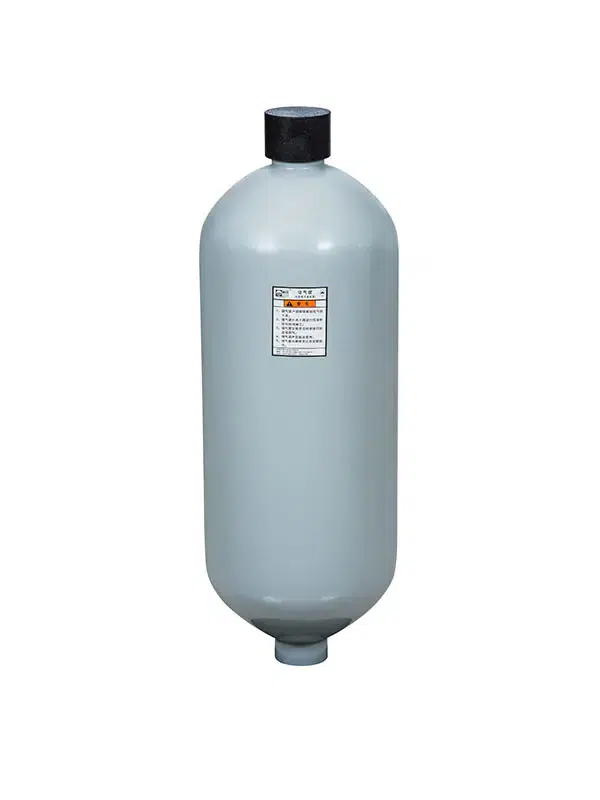
While hydraulic accumulators offer numerous advantages, they also present certain drawbacks that warrant consideration.
One of their primary disadvantages is the requirement for regular maintenance. The pre-charge pressure must be checked periodically, as gas leakage over time can lead to degraded performance or even result in system operational instability.
Another concern is the initial cost. Acquiring high-quality accumulators and ensuring their proper installation can be a significant expense, particularly in large-scale or high-pressure hydraulic systems. Furthermore, improper selection or incorrect pressure settings can not only compromise system efficiency but may also cause damage to system components.
The operation and maintenance of accumulators also demand exceptional attention to safety. Given that they store high-pressure energy internally, improper usage or maintenance poses potential safety risks to both the equipment and the operating personnel. Additionally, space constraints constitute an issue that cannot be overlooked, particularly in hydraulic systems characterized by compact designs and limited installation space.
Although accumulators contribute to enhanced system performance, ensuring their efficient, safe, and reliable operation necessitates diligent management regarding selection, monitoring, and maintenance.
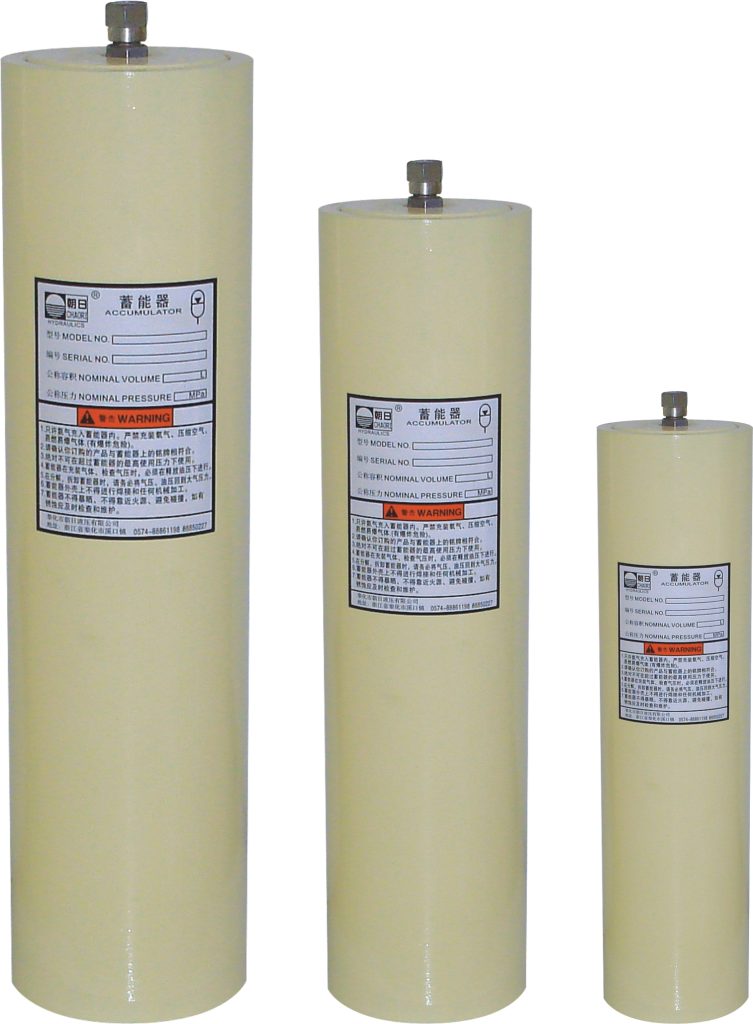
Key Takeaways
- Accumulators represent a significant investment. When making a purchase, you must carefully weigh the cost factor. Furthermore, you should also factor in the future costs associated with replacing the accumulator.
- Accumulators require regular maintenance. Checking the bladder pre-charge pressure is of particular importance; additionally, to ensure safe operation, you should periodically inspect the unit for any signs of leakage. These maintenance measures help ensure that the accumulator remains in optimal working condition.
- Accumulators are not impervious to wear and tear. Over time, they will inevitably fail due to cumulative wear. Bladder-type accumulators, in particular, are susceptible to sudden and abrupt failure.
- Accumulators incur a certain degree of energy loss during operation. Selecting the appropriate type of accumulator can help minimize energy consumption, thereby enhancing the overall operational efficiency of the system.
- Spent accumulators must be disposed of safely. It is imperative to adhere to all relevant local regulations regarding the recycling or proper disposal of used accumulators in order to safeguard the environment.
High Cost of Accumulators
When utilizing hydraulic systems, the cost of accumulators must be taken into consideration. The cost of such equipment can be substantial, particularly when opting for larger-sized or technologically advanced models. Certain types of accumulators—such as high-pressure or large-capacity variants—require fabrication using higher-strength materials, which consequently drives up their price.
Purchase and Replacement Costs
The price of an accumulator depends on what kind and size you get. Bladder accumulators are popular and come in many prices. Here is a table with some examples:
| Supplier | Product Name | Price Range |
|---|---|---|
| Wuhan Emanway Import & Export | NXQA-63/31-5-5L-Y Bladder Accumulator | $488–528 |
| Quanzhou Tejing Hydraulic | SB330 Series Bladder | $46–97 |
| Ningbo Differ Imp & Exp | NXQ Series Bladder Accumulator | $30–40 |
| Fujian Yisen Hydraulic | Olaer Accumulator Bladder EHV2.5-690/90 | $70 |
| Taizhou Eternal Hydraulic | High Pressure NXQ Bladder Accumulator | $50–80 |
If you require high-pressure or large-capacity accumulators, the associated costs will be higher. The pricing of piston-type and diaphragm-type accumulators also varies. It is crucial to bear in mind that the initial purchase of an accumulator is not your sole expense; several years down the line, you may need to acquire a replacement unit, which will undoubtedly add to your total expenditure.
Certain innovative designs help reduce the manufacturing costs of accumulators. Manufacturers may utilize superior materials or adopt entirely new production processes to achieve more efficient and cost-effective assembly. Furthermore, if a manufacturer employs environmentally friendly production methods, you may even realize additional cost savings. Nevertheless, when integrating an accumulator into your system, you must still allocate sufficient physical space and budget accordingly.
Disposal and End-of-Life Expenses
When an accumulator reaches the end of its service life, you must consider how to dispose of it. Due to the specialized nature of its materials, certain components require specific handling procedures. You may incur costs to ensure that these components are disposed of or recycled safely and properly. This will undoubtedly increase the overall lifetime cost of the accumulator. If you utilize accumulators on a large scale, these accumulated costs can become quite substantial over time.
Note: Before disposing of hydraulic equipment, please be sure to consult relevant local regulations. Adopting safe disposal practices helps protect the environment and ensures workplace safety.
When making a selection, you should comprehensively weigh the initial acquisition cost of the equipment against its subsequent operating costs. This will help you choose the accumulator best suited to your specific requirements.
Limited Lifespan and Durability Issues of Accumulators
Cycle Life and Wear
No accumulator can last forever; its internal components are susceptible to damage or wear. This occurs because these internal components undergo displacement and are subjected to pressure fluctuations during operation. For instance, in a bladder accumulator, the internal bladder repeatedly undergoes cycles of stretching and contracting. If the frequency of use is excessively high, the bladder may rupture due to a reduction in structural integrity. Piston accumulators, conversely, feature a reciprocating piston; this continuous back-and-forth motion leads to the gradual wear of the seals. Diaphragm accumulators are similarly subjected to mechanical stress, though their internal structural design differs slightly.
Here is a table that shows how each type deals with these problems:
| Accumulator Type | Failure Mode | Maintenance & Contamination Tolerance |
|---|---|---|
| Bladder | Sudden failure | Easy to clean and replace bladder |
| Piston | Gradual failure | Difficult to service if contaminated |
| Diaphragm | Similar to bladder | Not extensively detailed |
Pre-Charge and Gas Leakage Issues
You also need to inspect the gas side of the accumulator. Most accumulators utilize gas to store energy. If a gas leak occurs, the accumulator will be unable to function properly. Occasionally, the pre-charge pressure is set incorrectly—whether too high or too low—which can lead to the premature failure of the accumulator. Furthermore, aging or damaged seals can also trigger gas leaks. Therefore, you should regularly check the pre-charge pressure levels to ensure the safe operation of the system.
Tip: When checking and setting the pre-charge pressure, be sure to strictly follow the operating instructions. Doing so helps extend the service life of the accumulator and enhances its operational performance.
If you neglect the issues mentioned above, your system may experience malfunctions or abnormal operation. Through regular inspections and proper maintenance, you can effectively prevent the vast majority of potential accumulator failures.
Efficiency and Performance Issues of Accumulators
Hydraulic accumulators are designed to operate smoothly and energy-efficiently. However, their actual performance may sometimes fall short of your expectations. This not only leads to a decline in machine performance but also results in increased energy consumption.
Energy Conversion Losses
During the process of storing or releasing energy, a portion of that energy is inevitably lost. This process is not entirely lossless. When internal gas is compressed, it heats up and subsequently cools down; a portion of this energy is dissipated in the form of heat. Furthermore, as fluid is discharged, the system pressure may drop; this pressure reduction triggers a series of internal changes within the system. If the accumulator is utilized frequently, these energy losses will accumulate over time. In the long run, your system will be compelled to expend greater power to perform the same operational tasks.
The degree of energy loss varies among different types of accumulators. For instance, piston-type accumulators typically exhibit lower energy losses than bladder-type accumulators. Although all accumulators incur some degree of energy loss—a phenomenon that cannot be entirely eliminated—you can certainly take measures to minimize it. The key lies in selecting the accumulator type best suited to your specific application and consistently maintaining a clean internal environment within the system.
Tip: Be vigilant for any signs of overheating or pressure loss. Doing so will help you detect potential malfunctions early on, thereby ensuring that your accumulator remains in optimal operating condition.
Self-Discharge and Leakage
Self-discharge refers to the loss of energy that occurs even when a device is not in use. Leakage is the primary cause of this issue. Once a seal or diaphragm ruptures, gas or fluid escapes, resulting in diminished accumulator performance. In industrial production environments, seal leakage and diaphragm rupture are the leading causes of accumulator failure within a 5-to-8-year timeframe, accounting for approximately 47% of all failures. Furthermore, the loss of nitrogen pre-charge pressure is a common occurrence, with annual losses potentially exceeding 10%.
You may see pressure loss or odd system actions if your accumulator leaks. Fast pressure loss after charging means there is a leak or seal damage. Always check for these signs to keep your system safe and working well.
Safety Concerns with Accumulators
Risk of Leakage or Explosion
If the seals deteriorate or the accumulator body itself sustains damage, it may result in fluid or gas leakage. Occasionally, the return port may become obstructed, leading to an accumulation of internal pressure. Should this pressure rise to excessive levels, the accumulator could rupture. Furthermore, corrosion can compromise the structural integrity of the metal casing; over time, this corrosion progressively erodes the vessel walls, thereby increasing the risk of equipment failure.
You should consult actual operational data to gain a comprehensive understanding of the associated risks. The table below outlines the frequency of various types of incidents:
| Incident Type | Frequency in Last 5 Years | Description |
|---|---|---|
| Flash Fires from Hydraulic Failures | 23 | Reported incidents of flash fires due to hydraulic failures near casters and BOF vessels. |
| Catastrophic Failure | 1 | A specific case of a catastrophic failure due to a leaking accumulator leading to severe injuries. |
Most accidents involve leaks or fires. Major malfunctions occur infrequently; however, even a single major incident can result in personal injury or property damage. It is essential to regularly check for leaks and to be alert for any unusual noises. If you discover rust or oil stains, address them immediately.
⚠️ Note: Do not ignore small leaks. They can quickly become bigger problems.
Handling and Storage Hazards
Exercise extreme caution when handling or storing accumulators. Accidental drops or impacts from tools can damage the housing. Dents or cracks in the housing create structural weak points; furthermore, if the equipment is stored in a humid environment, such damage can lead to corrosion, thereby significantly increasing the risk of equipment failure.
Improper storage practices or rough handling often pose safety hazards. Therefore, ensure that accumulators are stored in a dry, clean environment and handled using appropriate lifting equipment. Never stack heavy objects on top of an accumulator. When moving an accumulator, ensure it remains stable to prevent it from rolling away or falling.
Possessing certifications such as ISO 9001, ASME, and CE helps mitigate risks. These certifications serve as proof that the accumulator has undergone rigorous testing and inspection. When selecting a product, prioritize those bearing such certifications; they offer enhanced safety assurance and help you avoid numerous potential hazards.
Environmental Impact and Sustainability Issues
Manufacturing and Resource Use
When selecting an accumulator, it is crucial to consider its environmental impact. The manufacturing process for accumulators consumes substantial quantities of raw materials and energy, as factories must utilize metals and plastics to produce these devices. This manufacturing process inevitably generates pollution and waste. You may refer to the table below to compare the similarities and differences between hydraulic accumulators and various other energy storage devices.
Compared to mechanical energy storage devices, the manufacturing of hydraulic accumulators consumes more resources and results in more severe pollution. The extraction of raw materials and the accumulator manufacturing process itself can cause damage to the natural environment; furthermore, factories must handle hazardous waste and consume vast amounts of electricity. Therefore, when selecting an accumulator, you should give full consideration to these factors.
Disposal and Recycling
When an accumulator reaches the end of its service life, it must be disposed of safely. Otherwise, it may cause environmental damage. Here are some problems you should know about:
- Throwing away hydraulic accumulators the wrong way can pollute dirt, water, and air with dangerous stuff.
- Heavy metals from batteries in some accumulators can stay in nature and get into food.
- If you spill electrolytes, the dirt changes and helpful germs can die.
- Moving old accumulators to dumps uses fuel and makes more greenhouse gases.
- Rules for throwing away accumulators are different in each place, so check your local laws.
- New recycling ways, like hydrometallurgical processes, help get materials back and lower harm to nature.
Tip: Always follow safe steps to throw away accumulators and look for recycling programs. This keeps the planet and your workplace safe.
You should think about the whole life of your accumulator. Plan how you will recycle or throw it away before you buy one. This helps you make good choices for your system and the Earth.
Maintenance Challenges
Regular Inspection Needs
You should inspect the accumulator multiple times per year. Checking the gas pre-charge pressure helps you detect leaks or pressure loss, while an internal inspection allows you to verify whether components exhibit wear or damage. The table below outlines the specific inspection frequencies:
| Inspection Type | Frequency |
|---|---|
| Gas pre-charge pressure check | Every 6 to 12 months |
| Internal inspection | Every 3 to 5 years |
You must also verify that the fluid is clean, check for any leaks, and ensure that the correct fluid is being used. If oil stains are observed around any components, or if the system exhibits abnormal operation, it is imperative to carry out immediate repairs. Should the bladder or piston seals become damaged, the accumulator will consequently lose pressure. Furthermore, contaminated fluid not only damages the seals but may also lead to operational irregularities and other system malfunctions. If the accumulator body itself shows signs of dents or corrosion, it should be inspected or replaced immediately. The table below lists common faults and their corresponding troubleshooting methods:
| Maintenance Challenge | Symptoms | Action |
|---|---|---|
| Oil cleanliness | Dirty oil can hurt seals | Check if oil is clean |
| Hydraulic leaks | Oil leaks around parts | Look for leaks |
| Incorrect fluid types | Bad performance, pressure changes | Use the right fluid and thickness |
| Bladder or piston seal failure | Oil on gas side, cannot hold pressure | Take out and change broken parts |
| Contamination | Broken seals, strange system actions | Check oil, change filters |
| External physical damage | Rust, dents, or cracks you can see | Change or check the unit |
New tools and smart sensors can help you find problems early. Better fluids help the system last longer. These things help, but you still need to check the system often and use the right size and care.
Corrosion and Component Failure
Corrosion poses a significant challenge for these systems. The presence of moisture and substandard fluids leads to internal rusting, which compromises the structural integrity of the accumulator and creates safety hazards. This corrosion causes the housing walls to thin, ultimately leading to rupture.
Moisture and substandard fluids lead to internal rusting, thereby compromising the structural integrity of the accumulator and creating safety hazards. This corrosion causes the housing walls to thin, ultimately leading to rupture.
You should conduct thorough inspections, specifically looking for any signs of rust, cracks, or dents. Should you discover any of these indicators, it is imperative that you immediately inspect or replace the accumulator. Minor leaks or damaged seals often serve as precursors to more severe failures; if left unaddressed, they can result in sudden and catastrophic equipment failure.
You should always remain prepared for maintenance. Even with the use of the most advanced technology, it is impossible to completely eliminate the possibility of all malfunctions. Only through consistent, periodic inspections and the prompt resolution of issues can the safe operation and proper functioning of the accumulator be ensured.
FAQ
What happens if you do not maintain your accumulator?
If you do not take care of your accumulator, it can start to leak or lose pressure. Sometimes, it might even stop working. You could see oil on the ground or hear odd sounds. Checking your system often helps keep it safe and working right.
Are accumulators dangerous to use?
Accumulators hold energy with high pressure. If you are not careful, they might burst or leak. Always use safety gear and follow the rules when you work with them.
How do you know if your accumulator is failing?
You might see these things:
- Pressure goes down fast
- Oil leaks show up
- The system acts in a weird way
Tip: Look at your accumulator often so you can find problems early.
Can you recycle old accumulators?
Yes, you can recycle many parts of an accumulator. You should call a recycling place or follow your local rules to throw it away safely. Recycling helps keep the earth clean.