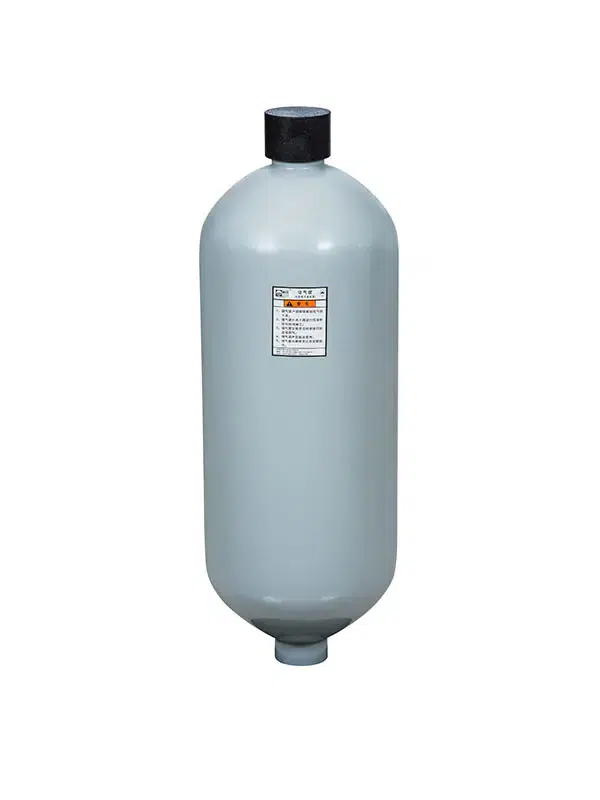
Hydraulic accumulator stations play a vital role in modern industrial and mechanical systems by ensuring stable pressure and efficient energy use. They act as energy storage units within hydraulic circuits, helping to smooth out fluctuations, reduce pump workload, and enhance system reliability. By temporarily storing pressurized fluid, these stations can quickly release energy when needed, improving responsiveness and performance. Widely used in industries such as manufacturing, construction, and energy, hydraulic accumulator stations contribute to both safety and operational efficiency. Understanding their basic structure and function is essential for engineers and technicians working with hydraulic systems.
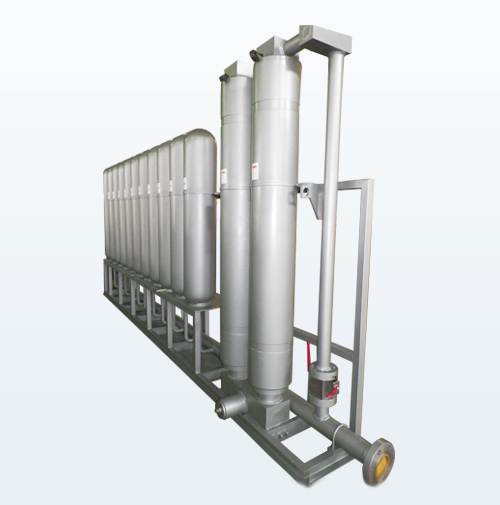
Key Takeaways
- Learn about the main parts of a hydraulic accumulator station. These include accumulators, pumps, control valves, pressure gauges, and other parts. Each part is important for how the system works.
- Pick the right kind of accumulator for your job. Bladder accumulators react fast. Piston accumulators can handle high pressure and store more energy.
- Check pressure gauges and sensors often. This helps you find problems early. It also keeps your system safe and working well.
- Use good pumps and control valves. These parts help your hydraulic system work without problems. They also keep the pressure steady.
- Add safety features like pressure relief devices and approved parts. These make your hydraulic accumulator station safer. They also protect your equipment.
Main Parts of a Hydraulic Accumulator Station
A hydraulic accumulator station has many important parts. Each part does a special job. When you know these parts, you can see how the system works. The station keeps machines safe and helps them run well.
Accumulator Types
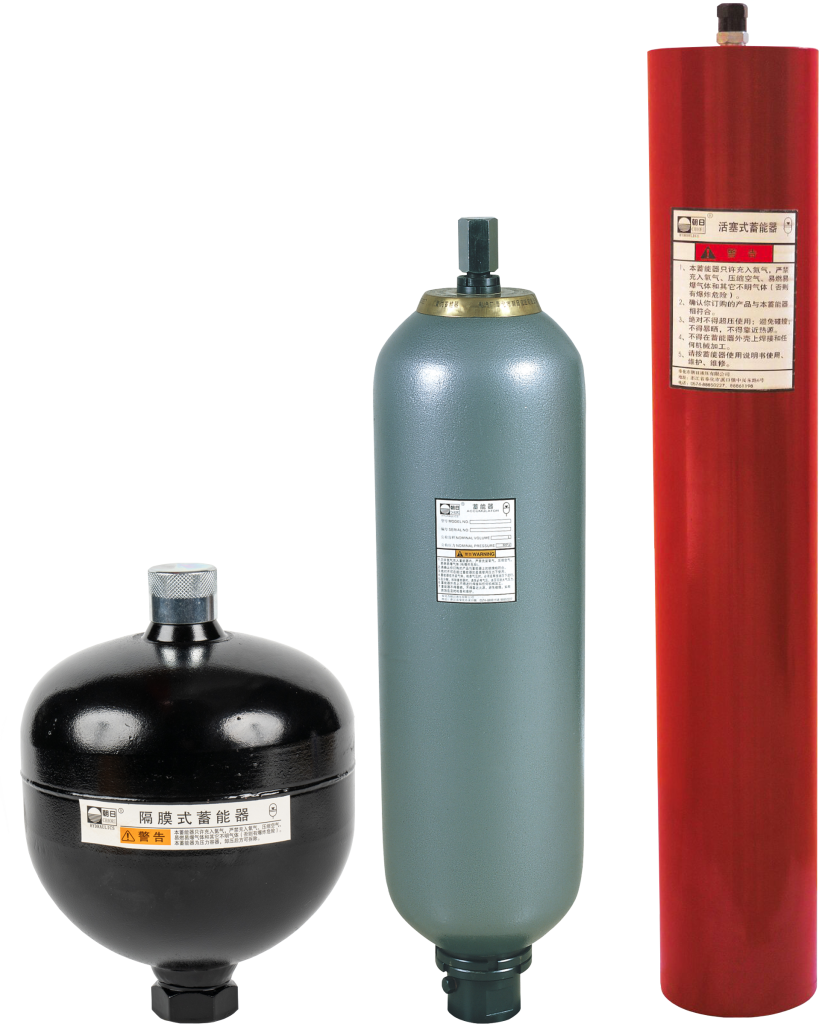
There are two main accumulator types in a hydraulic accumulator station. These are bladder accumulators and piston accumulators. Both store energy and control pressure, but they work differently.
| Feature | Bladder Accumulators | Piston Accumulators |
|---|---|---|
| Structure and Design | A soft bladder sits inside a metal shell. The bladder keeps gas and fluid apart. | A piston slides inside a cylinder. Seals keep gas and fluid apart. |
| Working Principle | Fluid pushes the bladder, squeezing the gas for quick energy release. | The piston moves up and down, squeezing gas for steady energy storage. |
| Advantages | Quick response, absorbs shocks, light, easy to fix. | Handles high pressure, lasts long, works in tough places. |
| Common Applications | Used in construction machines, mobile equipment, car suspensions. | Used in industrial presses, offshore equipment, big molding machines. |
A hydraulic accumulator station can have one or more accumulators. Some stations use only bladder accumulators. Others use piston accumulators for hard jobs. You can pick the type that fits your needs.
Pump
The pump is the main part of the hydraulic accumulator station. It moves hydraulic fluid into the accumulators and keeps the system pressurized. The pump turns mechanical energy into hydraulic energy. This lets the station store energy for quick use and keeps pressure steady.
Choosing the right pump makes your hydraulic accumulator station work better and last longer.
Control Valves
Control valves manage how fluid moves in and out of the accumulators. They keep pressure safe and let you control the system easily.
| Control Valve Type | Function |
|---|---|
| Automatic Bypass Valve | Sends fluid around the accumulator when it is full, so pressure does not get too high. |
| Nonreturn Valve | Stops fluid from flowing backward, keeping pressure in the accumulator. |
| Pilot Valve | Helps control the bypass valve based on system pressure. |
- The automatic bypass valve stops extra fluid from entering when the accumulator is full.
- The nonreturn valve shuts off the line if there is back pressure, which protects the system.
These valves help keep your hydraulic accumulator station safe and easy to use.
Pressure Gauges and Sensors
Pressure gauges and sensors show what is happening inside the hydraulic accumulator station. Gauges show the pressure level. Sensors can send alerts if the pressure gets too high or too low.
Always check the gauges and sensors to make sure your station is working right.
Auxiliary Components
Auxiliary components help the main parts of the hydraulic accumulator station. They keep everything clean, cool, and working well.
- Filters keep hydraulic fluid clean.
- Coolers stop the system from getting too hot.
- Charging kits help you keep the right amount of gas in the accumulators.
- Spare parts and accessories make repairs quick and easy.
These extra parts help your hydraulic accumulator station last longer and work better.
Tip: A hydraulic accumulator station from Ningbo Chaori Hydraulic puts all these parts together in one strong, safe, and reliable unit. You get advanced safety and control systems, so your machines stay protected and efficient.
Accumulator Types and Structure
Bladder Accumulator
A bladder accumulator has a soft bladder inside a strong shell. There are two chambers inside. One chamber holds hydraulic fluid. The other chamber holds gas, usually nitrogen. The bladder keeps the fluid and gas apart. When fluid goes in, the bladder squeezes the gas. This stores energy and helps control pressure.
Key Features:
- Responds quickly to changes in pressure
- Light and small design
- Great for absorbing shocks and stopping pressure spikes
Bladder accumulators are good when you need fast energy release. You see them in machines, mobile equipment, and offshore work. Their shape is good for places with little space or weight limits. The bladder keeps gas and fluid apart, so your system works well.
Tip: Check gas pressure and bladder often. This helps you stop problems and makes your accumulator last longer.
Piston Accumulator
A piston accumulator uses a solid piston inside a cylinder. Seals on the piston keep gas and fluid apart. When fluid enters, the piston moves and squeezes the gas. This lets you store more energy and handle higher pressure.
Structure Highlights:
- Cylinder with a moving piston
- Seals stop leaks
- Chambers for gas and fluid
Piston accumulators are used for hard jobs. They work well in high-pressure systems like presses and big machines. They can handle pressure over 10,000 PSI. This makes them good for tough places.
Performance Benefits:
- Stores lots of energy
- Keeps pressure steady
- Stops shocks and vibrations
- Can be changed for different jobs
| Maintenance Aspect | Bladder Accumulators | Piston Accumulators |
|---|---|---|
| Gas Pre-Charge Pressure Checks | Needs checks often; bladder does not last forever | Not as important, but still needed for good work |
| Wear Monitoring | Needs checks for damage | Can get dirty and seals can wear out |
| Operating Conditions Monitoring | Watch temperature and pressure cycles | Must check to stop leaks |
| Cleaning and Contamination Control | Keep fluid clean to stop damage | Same rule to make it last longer |
| Regular Inspections | Look at bladder for damage | Check seals and piston for wear |
Ningbo Chaori Hydraulic has both types in their hydraulic accumulator station. You can pick the best accumulator for your system. You will get good performance and expert help.
Safety and Control Systems in Hydraulic Accumulator Stations
Safety and control systems help your station work safely. They protect your machines, workers, and money. These systems have many important parts.
Control Valves
Control valves let you change how fluid moves and its pressure. You use them to keep things safe and working right.
A safety valve block has these valves together. It stops pressure from getting too high. If pressure rises too much, the valve opens. Extra fluid leaves, so the system stays safe.
Pressure Relief Devices
Pressure relief devices stop dangerous pressure spikes. There are different types, like burst discs and relief valves. These open when pressure gets too high. They let out fluid or gas fast to lower the pressure.
| Certification Type |
|---|
| Business License |
| Special Equipment Design License |
| Special Equipment Manufacturing License |
| Quality Management System Certification (ISO) |
| ASME Certificate-002 |
| CE |
Pick relief devices with these certifications. They show the device follows strict safety rules. Ningbo Chaori Hydraulic uses certified parts for your safety.
Monitoring and Sensors
Monitoring and sensors help you watch your station all the time. You can use pressure, temperature, and flow sensors. These tools tell you if something is wrong before it gets worse.
Real-time monitoring helps you fix problems early. You can set alarms for high or low pressure. Some systems shut down by themselves if they find a problem. This keeps workers safe and machines running.
Tip: Check parts often and use clear labels. This makes fixing things easier and safer. Teach your team about alarms and emergency steps to stay safe.
Now you know the main parts of a hydraulic accumulator station. Each part helps your system stay safe and work well. Picking the right parts makes your machine hold loads steady, keeps things safer, and lets it lift heavier stuff.
| Feature | Description |
|---|---|
| Better Load Stability | Keeps the load from moving or drifting. |
| Enhanced Safety | Locks by itself if pressure drops, so people and machines stay safe. |
| Increased Load Capacity | Can lift very heavy things with high pressure. |
When you choose a provider, think about these things: how much energy it can store, what kind of accumulator it uses, how much pressure it can handle, if the fluid works with the system, how big and heavy it is, how easy it is to set up and fix, and if it works well in your environment.
Ningbo Chaori Hydraulic gives you strong and safe stations with smart features for all your needs.
FAQ
What does a hydraulic accumulator station do?
A hydraulic accumulator station stores energy for machines. It keeps the pressure steady in the system. This helps your machines work better and last longer.
How do you choose between a bladder and a piston accumulator?
Pick a bladder accumulator if you need fast response. It is also good for absorbing shocks. Choose a piston accumulator for high pressure and big storage. Think about what your machine needs before you pick.
How often should you check the accumulator station?
Check your accumulator station once every month. Look at the pressure gauges and sensors. Check the fluid levels too. Regular checks help you find problems early.
What safety features should you look for?
You need pressure relief valves and control valves. Sensors are important for safety too. Certified parts, like those from Ningbo Chaori Hydraulic, make your system safer.
Can you use one station for many machines?
Yes, you can use one accumulator station for many machines. Make sure the station is big enough for all your machines. Pick the right type of accumulators for your setup.