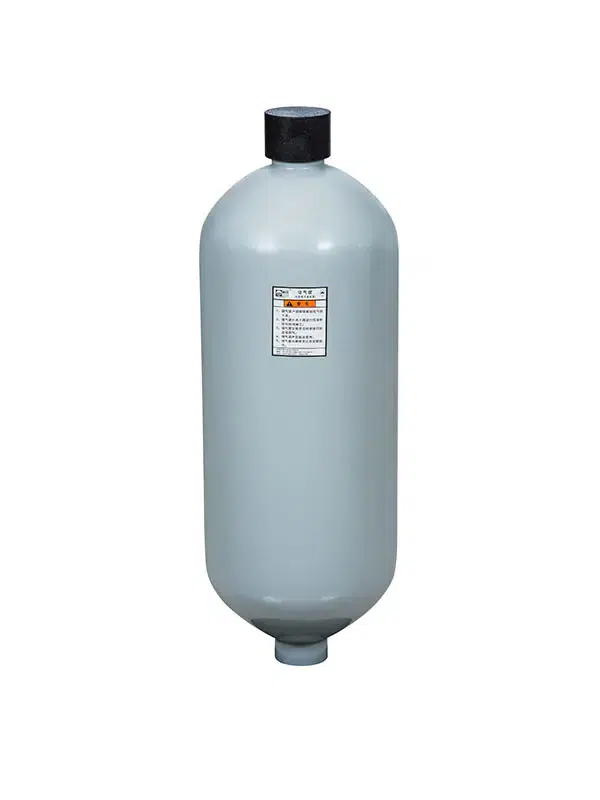
Imagine you use hydraulic system accumulators every day. If pressure is released suddenly, someone can get hurt badly. You must always think about safety when you use these devices. Ningbo Chaori Hydraulic has over 47 years of experience. They offer many types of accumulators like bladder, piston, and diaphragm models. Each type has its own risks. For example, bladder accumulators can leak gas if the pre-charge is not right. Piston types can have problems with seals inside. Diaphragm models can leak when under pressure. Look at the table below for a quick summary:
| Type of Accumulator | Safety Risks |
|---|---|
| Bladder | Incorrect gas pre-charge, bladder defects, gas leakage |
| Piston | Piston movement issues, sealing problems, surface condition |
| Diaphragm | Diaphragm integrity risks, leakage under working pressure |
You must follow the right steps to stay safe and stop accidents with accumulators.

Key Takeaways
- Always let out the pressure from hydraulic accumulators before you work on them. This stops sudden energy from coming out and hurting you.
- Only use dry nitrogen to fill accumulators. Do not use oxygen or compressed air because it can cause fires.
- Wear the right safety gear like safety glasses and gloves. This keeps you safe from leaks and moving parts.
- Check accumulators often to find leaks or damage early. This keeps things safe and helps the equipment work well.
- Always follow the manufacturer’s rules. Doing this keeps you safe and follows safety standards.
Hydraulic System Accumulators Safety Overview
Key Safety Steps
You need to follow some main steps to stay safe with hydraulic system accumulators. These steps help stop accidents and lower the chance of getting hurt.
- Only people who are trained should work on any hydraulic accumulator. If someone is not trained, they can cause accidents.
- Always let out the pressure before you do any work. If pressure stays in, it can come out fast and hurt someone.
- Do not weld, solder, or do other work on an accumulator. You can only paint the outside if you need to.
- Make sure you use the right gas for pre-charging. Use dry nitrogen, not oxygen or air, to stop fire or explosion.
- Check the accumulator often for leaks, damage, or strange noises.
- Store and move accumulators the way the maker says.
Tip: Keep the operating manual close by. Always follow what the maker tells you to do.
Ningbo Chaori Hydraulic’s products have many international certifications. These show that each hydraulic accumulator passed hard safety and quality tests.
| Certification | Description | Contribution to Safety |
|---|---|---|
| ISO 9001 | Quality management system | Makes sure products are always good, so hydraulic systems fail less. |
| ISO 14001 | Environmental management system | Helps protect the environment and makes things safer by lowering risks. |
| GB | Chinese national standard | Makes sure the product follows local safety rules. |
| ASME | American Society of Mechanical Engineers | Shows the product meets tough safety and performance rules in the U.S. |
| CE | Conformité Européenne | Means the product follows European safety rules and works well in many places. |

Common Accumulator Hazards
You need to know the main dangers with hydraulic system accumulators. These dangers can hurt people or break things if you do not follow the right steps.
- Stored energy can come out fast and make parts move or spray fluid.
- Gas leaks from bladder or diaphragm accumulators can be dangerous, especially with the wrong gas.
- High-pressure fluid leaks can go through skin or break equipment.
- If you install or fix things the wrong way, seals can break or the unit can burst.
- Too much pressure can make the accumulator shell explode.
Note: Always look for warning signs like hissing, pressure drops, or leaks. These signs mean there could be a danger that needs fixing right away.
Industry rules and certifications help make these risks smaller. For example, the ASME Boiler and Pressure Vessel Code and the Pressure Equipment Directive (PED) need hard tests and checks. Here is a table of important rules:
| Standard/Certification | Description |
|---|---|
| ASME Boiler and Pressure Vessel Code Section VIII, Division 1 | Needs certification for vessels with inside diameters of 6 in. or more, a 4:1 burst to rated pressure ratio, and ISO 9001 quality systems. |
| Pressure Equipment Directive (PED) | Used for pressure equipment in the EU, needs CE marking for some vessels, a 2.8:1 burst to rated pressure ratio, and ISO 9001. |
| American Bureau of Shipping (ABS) | Needed for accumulators on ships and oil rigs, with extra ABS rules and testing. |
| Det Norske Veritas (DNV) | Needed for offshore jobs, especially oil and gas, and follows DNV rules. |
When you pick a hydraulic accumulator from Ningbo Chaori Hydraulic, you get a product that meets these high rules. This lowers the chance of danger and keeps your hydraulic system safe.
Depressurization Procedures
You must remove all pressure before working on hydraulic system accumulators. This is the most important safety step. If you skip it, energy can come out fast and hurt someone.
Depressurization Steps
Follow these steps to make sure the accumulator is safe:
- Shut Down the System
Turn off the hydraulic power unit. Wait until everything stops moving. - Isolate the Accumulator
Close the valves that connect the accumulator to the system. This keeps new pressure from coming in. - Release Hydraulic Pressure
Open the pressure-relief or drain valves slowly. Let the fluid out until the gauge shows zero. - Discharge Gas Pressure
Use the gas valve to let out any leftover gas. Always use the right tools for this step. - Check for Residual Pressure
Tap the pressure gauge again. Make sure it stays at zero.
If you do not depressurize fully, leaks or valve problems can cause sudden discharge. This can move parts, cut lines, or hurt workers. If a dump valve stays closed after shutdown, leftover pressure can make actuators move by accident. This can cause injury or even death.
Always use dry nitrogen to fill or pre-charge an accumulator. Never use oxygen or compressed air. Here is why:
- Always fill accumulators with dry nitrogen.
- Oxygen and compressed air can cause fires.
- Dry nitrogen does not react or burn.
- Oxygen and compressed air help things burn, which is unsafe.
- Accumulators have labels showing only nitrogen should be used.
- Using oxygen or compressed air is dangerous because they can catch fire.
- Safety stickers remind you to use dry nitrogen.
Following these steps helps prevent accidents and keeps your workplace safe.

Verifying Zero Pressure
After depressurizing, check that no pressure is left. This step is very important for safety.
- Look at the pressure gauge. The needle should be at zero.
- Use another gauge if you can. This helps find bad readings.
- Open the bleed valve gently. Listen for hissing sounds. If you hear it, there is still pressure.
- Check all connections and fittings. Make sure nothing leaks.
If you see any sign of pressure, repeat the steps. Do not think the system is safe until you check. Many accidents happen when people skip this step.
Hydraulic system accumulators have pressure-relief features built in. These help you release trapped energy safely. Always use them as the maker says.
Tip: Keep a checklist for depressurization steps. Review it every time you work on an accumulator. This habit can save lives.
Personal Protective Equipment for Safety
Required PPE
You need to wear the right personal protective equipment when you work on a hydraulic accumulator. This keeps you safe from leaks, moving parts, and other dangers. Always use these items:
- Safety glasses or goggles protect your eyes from splashes and flying bits.
- Chemical-resistant gloves keep your hands safe from fluid and sharp things.
- Long-sleeved shirts and pants cover your skin and help stop burns or cuts.
- Steel-toed boots protect your feet from heavy parts or equipment.
- Hard hats keep your head safe if something falls.
- Hearing protection is needed near loud hydraulic machines.
- Heat-resistant clothing is important for hot systems.
- Face shields give extra safety during high-pressure work.
Make sure your work area has good airflow. This helps you avoid breathing in bad fumes while you work.
Tip: Do not wear loose clothes, jewelry, or accessories. These can get caught in moving parts and hurt you.
PPE Best Practices
You must follow good steps to keep your safety gear working well. This makes sure all safety features and devices do their job during maintenance.
- Check your PPE before you use it. Look for cracks, tears, or damage.
- Clean your gloves, glasses, and other gear after every job.
- Keep your PPE in a dry, clean place away from chemicals and sunlight.
- Replace broken or worn-out gear right away.
- Make sure your PPE fits you. If it is too loose or tight, it will not protect you well.
- Teach all workers how to use and care for their PPE.
- Use only certified PPE that meets industry rules for hydraulic system maintenance.
When you wear the right PPE and follow these steps, you lower the chance of getting hurt. You also help keep your hydraulic accumulator system safe and working well.
Inspection and Maintenance of Accumulators
Visual Inspection
You need to check your accumulator often. This helps you find problems early. Look for dents, cracks, or rust on the shell. Check if the mounting brackets are loose. Make sure connections are tight. If you see oil stains or dirt, clean the area. Look for leaks after cleaning. Use a flashlight to see every side. Chaori Hydraulic has inspection mirrors and cleaning kits. These tools help you see and reach tight spots. Always wear gloves and safety glasses when you check.
Leak Detection
Leaks can cause big trouble in hydraulic system accumulators. You must find leaks before they get worse. Look for oil drops under the accumulator. Check for wet spots on hoses. Listen for hissing sounds. Hissing means gas may be escaping. Use leak detection spray or soapy water to find small leaks. Spray it on fittings and watch for bubbles. If you find a leak, do not fix it yourself. Only trained people should repair accumulators. This keeps you safe and protects your equipment.
Maintenance Schedule
You need to follow a regular maintenance plan. This keeps your accumulator working well. The table below shows how often to check parts:
| Inspection Type | Frequency |
|---|---|
| General Inspection | At least once a year |
| Hydrotesting | Every five years |
| Examination under operating conditions | Annually or twice every five years |
| Maximum interval between examinations | No more than three years |
Hot or cold weather can wear out seals and bladders faster. Dirty oil or dust can also hurt parts. If you use your equipment a lot or in rough places, check your accumulator more often. Chaori Hydraulic has nitrogen charging kits and safety valves for maintenance. Only qualified people should do repairs or re-certification. This keeps your system safe and reliable.
Tip: Write down every inspection and repair in a logbook. This helps you track your accumulators and plan future checks.
Handling and Storage Safety
Safe Transport
You need to be careful when moving hydraulic accumulators. Always tie down the accumulator so it does not roll or fall. Use lifting tools that fit the unit’s weight and size. Never drag or drop an accumulator because this can break parts inside. Put covers on all hydraulic ports before you move the unit. These covers keep dirt and water out. If you use a truck or forklift, add padding to stop scratches or dents. Keep the accumulator standing up. This helps protect the inside parts. Always follow the maker’s instructions for safe lifting and handling.
Tip: Put labels with handling steps on the accumulator. This helps everyone know how to move it safely.
Storage Conditions
Storing your hydraulic accumulator the right way keeps it safe. You should keep the accumulator in a clean and dry spot. This stops dust and water from getting in and causing problems. Cover all hydraulic connections with caps or plugs. These covers block dirt and trash from entering the system. Keep the accumulator away from sunlight, especially if it has parts that can be hurt by UV rays. Sunlight can make the surface weak and shorten the unit’s life. Keep the pressure at the level the maker says. This helps stop damage inside the accumulator. Check the stored accumulator often. Look for rust, loss of pressure, or damage.
- Store in a clean, dry spot.
- Put caps on all ports.
- Keep away from sunlight.
- Keep the right pressure level.
- Check often for rust or leaks.
If you do these things, you help keep your hydraulic accumulator safe and working well. Good handling and storage protect your equipment and keep your system working smoothly.
Manufacturer Guidelines and Documentation
Following Instructions
Always follow what the manufacturer says when using hydraulic accumulators. These rules help you stay safe and keep your equipment working well. Chaori Hydraulic gives you manuals with each accumulator. Read these manuals before you start any work. The instructions show you how to install, use, and take care of your accumulator.
Here are some main safety rules found in most manufacturer guidelines:
| Safety Principle | Description |
|---|---|
| Pressure Release | Release all pressure before working on the accumulator. |
| Gas Usage | Use only dry nitrogen for charging. Never use oxygen or compressed air. |
| Retaining Ring Safety | Do not remove the retaining ring if there is pressure inside. |
| Secure Installation | Fasten the accumulator tightly when you install it. |
| Personal Protective Equipment | Wear safety goggles and gloves when working on the unit. |
Never skip these steps. If you do, you could get hurt or break your system. Chaori Hydraulic’s accumulators meet strict standards. Certifications like ASME, CE, and ISO9001 show each product passed tough safety and quality checks. These certifications mean you get equipment that works safely in many places.
- ISO 9001 certification makes sure every accumulator is high quality.
- CE marking shows the product is safe and works well in Europe.
- ASME certification means the accumulator meets safety rules in the United States.
Record Keeping
You need to keep good records for every accumulator you use. Write down each inspection, repair, and maintenance job in a logbook. This helps you track your equipment’s history. Good records make it easy to plan checks and find problems early.
Store all manuals, certificates, and service records in a safe place. If you need to check something or prove you followed rules, you can find the papers fast. Keeping records also helps you follow safety rules at work.
Tip: Make a checklist for each accumulator. Review it before and after every job. This habit helps you follow all safety steps and keeps your system running smoothly.
By following manufacturer guidelines and keeping clear records, you protect yourself and your equipment. You also make sure your hydraulic system stays safe and reliable for years.
Emergency Response for Accumulator Hazards
If there is an emergency with a hydraulic accumulator, you need to act fast and stay calm. Knowing what to do can stop people from getting hurt and keep your equipment safe. You should always be ready for dangers like sudden pressure release, leaks, or fire.
Incident Steps
If something goes wrong, follow these steps to help everyone stay safe:
- Stop the System
Turn off the hydraulic power right away. This stops fluid and pressure from moving. - Evacuate the Area
Get everyone out of the danger zone. Stay far away until it is safe. - Activate Emergency Systems
Use pressure relief systems if you see high heat or fire. These systems help stop explosions. Many accumulators have relief valves for this reason. - Monitor Temperature
Watch for heat. Use temperature sensors if you have them. High heat can make things worse. - Call for Help
Call your emergency team or the fire department if there is a fire or you cannot fix the problem.
Note: Safety rules like ISO 4413 and ASME Section VIII say you must use pressure relief and watch temperature to lower risks from heat or fire.
Reporting Procedures
After you handle the problem, you need to report what happened. Good reports help stop problems in the future.
- Write down when and where the problem happened.
- List what you did to fix the problem.
- Record any injuries or damage.
- Save data from alarms or sensors.
- Give your report to your boss or safety officer.
| Reporting Step | What to Include |
|---|---|
| Time and Location | When and where the incident happened |
| Hazard Description | What type of hazard occurred |
| Actions Taken | Steps you used to respond |
| Injuries or Damage | Any harm to people or equipment |
| Follow-up Needed | Repairs or extra inspections |
Always look at your emergency plan after something happens. Change your steps if you find ways to make things safer.
You keep yourself and others safe by following safety steps for hydraulic system accumulators. Always look for leaks before you start work. Use the correct gas every time. Wear the right safety gear to protect your body. Accidents often happen when people skip checks or use the wrong parts. Some forget to lock out the system before working. Make a safety checklist and change it when needed. Keep learning with training so you can find dangers and use tools the right way. Follow the maker’s rules and pick certified products like those from Ningbo Chaori Hydraulic. Taking care of your accumulator helps it stay safe and work well.
Stay careful and keep learning new things. Safety begins with you.
FAQ
What gas should you use to pre-charge a hydraulic accumulator?
Always use dry nitrogen for pre-charging. Never use oxygen or compressed air. Dry nitrogen helps stop fires and explosions. It keeps your system safe.
How often should you inspect a hydraulic accumulator?
Check your accumulator at least once every year. If you use it in hard places, check it more often. Regular checks help you spot problems early.
What personal protective equipment (PPE) do you need?
Wear safety glasses and gloves every time. Put on long sleeves and steel-toed boots. For high-pressure jobs, use a face shield and hearing protection. Always look at your gear before you use it.
Can you repair an accumulator yourself?
Do not try to fix an accumulator by yourself. Only trained people should do repairs. This keeps you and your equipment safe.
Why do you need to keep records for accumulators?
Keeping records helps you remember checks and repairs. Good records make it easy to plan and follow safety rules.