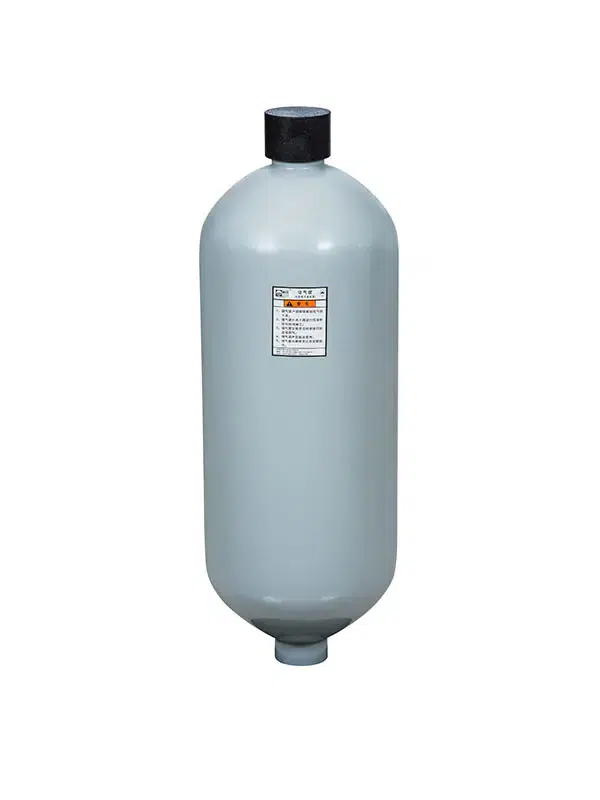
In fluid power systems, hydraulic accumulators are indispensable core components. However, many operators often fail to truly recognize the immense risks they harbor until a catastrophic accident occurs.
In one tragic instance, a mechanic suffered a devastating injury—resulting in the loss of 40% of his vision—simply because he forgot to open the manual bleed valve prior to commencing work, causing the internal high-pressure energy to erupt instantaneously. From a scientific standpoint, the consequences of disregarding safety protocols are extremely lethal. To ensure that every operation is conducted safely and without incident, Chaori—a professional manufacturer of high-quality, certified hydraulic accumulators—has compiled the following safety precautions and operational guidelines, which must be strictly adhered to:
Key Takeaways
- Before performing any operations on an accumulator, ensure that the pressure has been released.
- Use only dry nitrogen for charging.
- Never remove the retaining ring while the accumulator is under pressure.
- During installation and mounting, ensure that the accumulator is securely fastened.
- Wear appropriate safety goggles and gloves.
Accumulator Safety Basics
Key Safety Tips for Accumulators
You need to follow safety rules for accumulators. These rules help keep you and your equipment safe. Always use dry nitrogen to charge an accumulator. Do not use oxygen or compressed air. These gases can cause dangerous problems. Before you work, let out all the pressure from the system. Never take off the retainer ring if there is still pressure inside. Make sure the accumulator is held tight when you install or fix it. This stops it from moving or causing accidents.
Many rules from around the world help keep workplaces safe. The table below shows some important safety ideas:
| Safety Principle | Description |
|---|---|
| Design Criteria | Set rules for how to build and pick materials for pressure vessels. |
| Testing Protocols | Make sure you test the pressure before using the accumulator. |
| Compliance Standards | Follow ASME Section VIII, GB/T, and other global rules. |
| Certification | Get regular checks to stay safe and follow rules. |
| Regional Variations | Meet local rules, like CE marking in Europe. |
| Emerging Technologies | Use digital tools to help with maintenance and early warnings. |
Chaori hydraulic accumulators follow these strict rules. You can trust their certified products to work well and keep you safe.
Charging and Pressure Relief Safety
When you charge an accumulator, use the right pre-charge pressure. Too much pressure can hurt the bladder or diaphragm. Too little pressure can make the system slow or stop. High oil temperatures can also make the bladder or diaphragm wear out faster. If you see leaks or spongy movement, check for a bladder leak or gas loss.
Tip: Always read the manufacturer’s instructions before charging or letting out pressure from an accumulator.
Do not hurry this process. Take your time to check all connections. Use only tools that are approved. By following these safety tips, you help stop common problems and keep your workplace safe.
Accumulator Safety Gear
Personal Protective Equipment (PPE)
You always need to wear the right gear when you work with an accumulator. This gear keeps you safe from high-pressure fluid and moving parts. The most important things are:
- Safety goggles or face shields keep your eyes safe from fluid spray or flying pieces.
- Heavy-duty gloves protect your hands from sharp or hot surfaces.
- Ear protection helps if your workplace is very loud.
- Protective clothes, like long sleeves and pants, cover your skin.
PPE is not something you can skip. You need it every time you touch or fix accumulators. Even a small leak can hurt you badly. Trained workers know that wearing PPE is a basic safety rule. You should look at your gear before each use to make sure it is not broken.
Note: Never forget your PPE, even for fast checks. One mistake can hurt you forever.
Specialized Gear for High-Pressure Work
Working with high-pressure accumulators needs more than just basic PPE. You need special gear to lower risks and keep everyone safe. Lockout tagout devices stop machines from turning on by accident while you work. These devices help stop injuries.
You should always let out all the pressure before you start any work. This step is very important. High-pressure fluid can hurt you a lot if it comes out fast. Only use tools that are approved and follow the maker’s instructions for every job.
- Lockout tagout devices stop machines from starting by mistake.
- Letting out all the pressure stops sudden fluid bursts.
- Special PPE, like strong gloves and face shields, gives extra safety.
Only trained workers should do high-pressure jobs. Training and the right gear help keep your workplace safe.
Maintenance and Regular Checks
Scheduled Servicing
You should check your accumulator often to keep it safe. Regular checks help you find problems early. This can stop big repairs later. Look at your accumulator at least two times a year. Check for cracks, leaks, or other damage. Use dry nitrogen when you charge it to protect the inside parts. Always keep the pressure at the right level. Change old diaphragms or seals right away so nothing breaks.
Here is a simple table to help you remember when to check each part:
| Inspection Type | Frequency |
|---|---|
| Visual and External Inspection | Monthly or Quarterly |
| Pre-Charge Pressure Tests | Every 6 to 12 months |
| Overhaul and Internal Inspection | Every 3 to 5 years |
You should also look inside for rust or scratches. Change any broken parts and do a full hydro-test before using it again. Chaori gives you nitrogen charging kits and safety relief valves. These tools make maintenance safer and easier.
Tip: Let nitrogen gas in slowly so you do not hurt the bladder or diaphragm.
Record Keeping
Good records help you know how your accumulators are doing. Use an Accumulator Recording Kit to write down the gas pre-charge and every check you do. Make sure the right pre-charge pressure is easy to see on the label. Teach your team to check and write down the gas pressure often.
Keeping records helps you in many ways:
- You follow safety rules.
- You can plan maintenance better.
- You find problems faster.
- You take care of your equipment more easily.
Doing regular checks and keeping good records keeps your accumulator safe and working well for a long time.
Emergency and Prohibited Actions
Emergency Shutdown Procedures
You need to know what to do if an accumulator leaks or fails. Acting fast can stop big accidents. First, check the pressure monitoring systems. These systems show if the pressure gets too high. If you see a leak or a sudden drop in pressure, follow emergency steps right away. Use safety valves and relief tools to let out pressure safely. If the temperature gets too high, emergency thermal shutdown will turn off the accumulator. Electrical isolation tools help stop short circuits and electrical problems.
Here is a table with the main steps for quick response:
| Immediate Response Action | Description |
|---|---|
| Pressure Monitoring Systems | Watch pressure levels to stop too much pressure. |
| Emergency Thermal Shutdown | Turn off accumulator if it gets too hot. |
| Electrical Isolation Mechanisms | Disconnect fast to stop electrical problems. |
| Safety Valves and Relief Mechanisms | Let out pressure to stop explosions or breaks. |
If you see fluid leaking or hear weird noises, move away from the area. Tell your team and follow your company’s emergency steps. Always wear PPE when you handle emergencies. If someone gets hurt, call for medical help and give first aid.
Tip: Practice emergency shutdown drills often. This helps everyone stay ready.
Actions to Avoid
There are things you should never do with accumulators. Never weld, solder, or do mechanical work on an accumulator. These actions can cause explosions or damage. Do not use tools that are not approved by the manufacturer. Never try to fix leaks by tightening bolts or parts while the system is under pressure.
Here are actions you should never do:
- Do not weld or solder on accumulators.
- Do not do mechanical work on pressurized units.
- Do not use tools or parts that are not approved.
- Do not ignore leaks or strange sounds.
If you see a problem, shut down the system and follow emergency steps. Always pick safety over speed. Quick choices can stop big accidents and keep your team safe.
Note: Only trained workers should handle emergencies. Training keeps everyone safe.
Choosing Quality Accumulators
Certified Products and Suppliers
You should pick certified products when you buy an accumulator. Certifications mean the product is safe and high quality. Some important certifications are:
- CE Certified Products
- ASME Certified Products
- PED compliance
These certifications help make sure your equipment works safely. They are important in tough places. When you choose a supplier, check their skills and how they make things. Make sure they follow the rules and have good quality checks. You should also see if the supplier can help with your special needs. A good supplier has smart engineers and a history of doing good work.
Certified hydraulic accumulators give you many good things for a long time. They last longer, handle high pressure, and have safe systems. Certified products also help you follow the rules and keep your work running well.
Chaori Hydraulic Accumulator Advantages
Chaori makes many types of hydraulic accumulators for factories. You can pick bladder, piston, or diaphragm types for different jobs. Chaori has made these for over 47 years. This means you get good products and help from experts.
| Certification Type | Description |
|---|---|
| ASME | Meets American safety standards. |
| CE | Follows European health, safety, and environmental rules. |
| ISO9001 | Shows a strong commitment to quality management and improvement. |
Chaori’s accumulators can be changed to fit your needs. You can talk to their engineers to make a system that works for you. They have small and big sizes, up to 300 liters. Each one has strong seals and safety parts to keep people and machines safe.
Chaori’s piston accumulator stations use nitrogen cylinder banks. These help keep pressure steady and stop shocks. The bladder type keeps gas and oil apart. This stops leaks and keeps the system clean. These things help your equipment last longer and work better.
Tip: Always check certifications and the supplier’s skills before you buy. This keeps your money safe and helps everyone stay safe at work.
You keep your team and equipment safe by following safety rules. Here are some important safety steps to remember:
| Safety Measure | Description |
|---|---|
| Regular Maintenance | Makes sure systems work well and stay safe. |
| Lockout Tagout | Stops machines from turning on while you work. |
| Correct Handling | Only use nitrogen when charging. |
| PPE Usage | Protects you from getting hurt. |
| Pressure Verification | Checks that it is safe before you start work. |
Training and checking equipment often help you avoid danger. Companies that train workers more have fewer accidents. Chaori’s team and certified products help you finish every job safely.
For the best results, ask Chaori for advice and safe hydraulic solutions.
FAQ
What gas should you use to charge a hydraulic accumulator?
You must always use dry nitrogen. Do not use oxygen or compressed air. These gases can start fires or cause explosions.
How often should you check the pre-charge pressure?
Check the pre-charge pressure every 6 to 12 months. Checking often helps you find leaks or pressure drops early.
Tip: Write down each pressure check to stay safer.
Can you repair an accumulator while it is under pressure?
No, you have to let out all pressure before fixing anything. Working on an accumulator with pressure can hurt you badly.
What certifications should you look for in an accumulator?
Look for these certifications:
- ASME
- CE
- ISO9001
These show the product is safe and high quality everywhere.
Why is personal protective equipment (PPE) important?
PPE keeps you safe from high-pressure fluid, flying pieces, and loud noise. Always wear safety goggles, gloves, and ear protection when you work with accumulators.