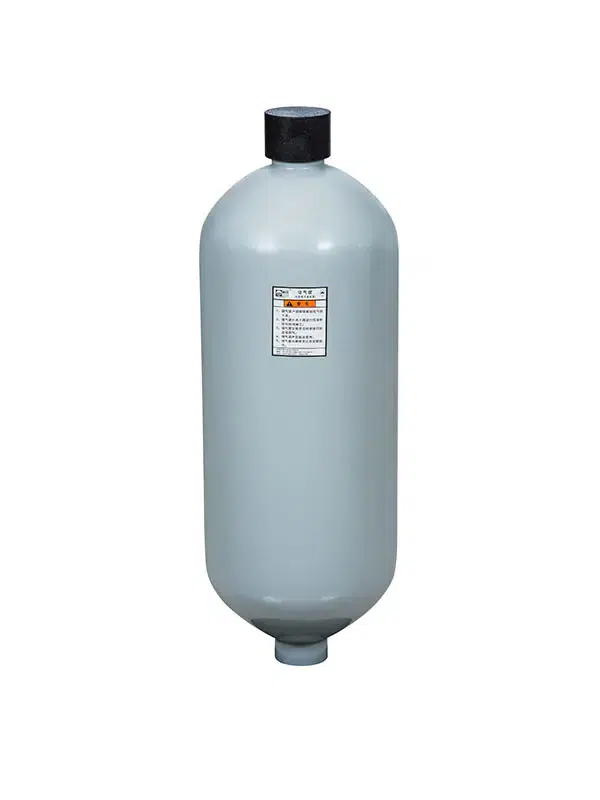
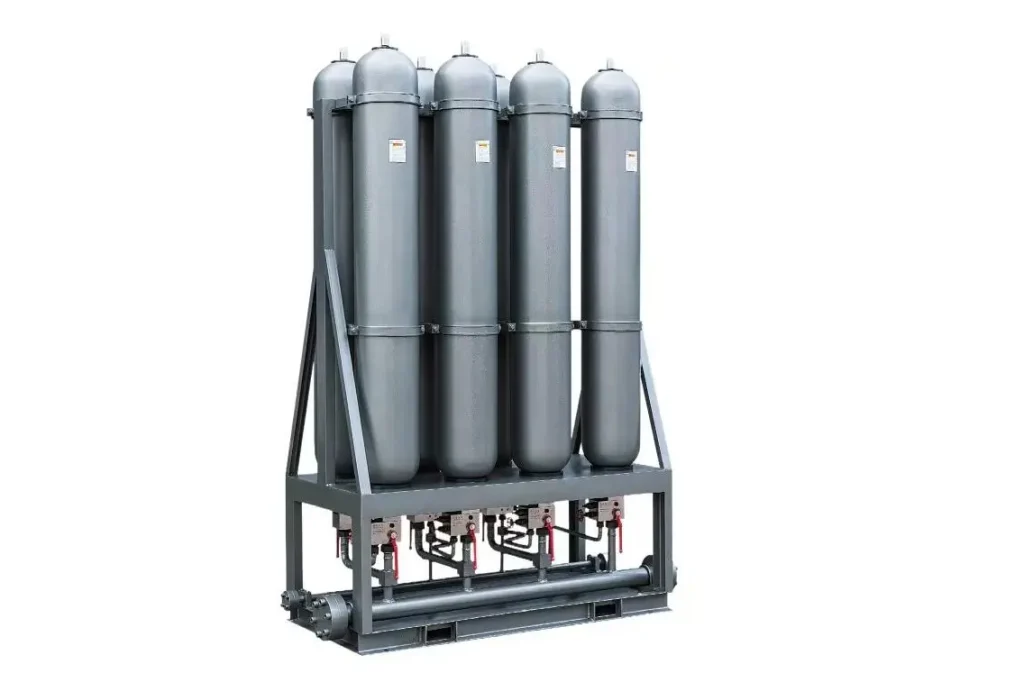
A hydraulic accumulator failure causes pressure drops, slow machine movements, loud knocking, and system overheating. This important part stores energy and absorbs heavy shocks. Plant managers must notice early warning signs right away. Quick action prevents major equipment shutdowns, avoids expensive surprise repairs, and protects main machine parts in tough work spaces.
Key Takeaways
- Failing hydraulic accumulators cause sudden pressure spikes, slow machine movements, heavy pipe vibrations, and system overheating.
- Trapped gas bubbles in fluid make actuators feel soft, which shows that internal bladders or rubber seals are damaged.
- Checking nitrogen gas pressure often helps maintenance workers stop sudden machine breakdowns and avoid expensive pump damage.
Symptoms of Hydraulic Accumulator Failure in Operation
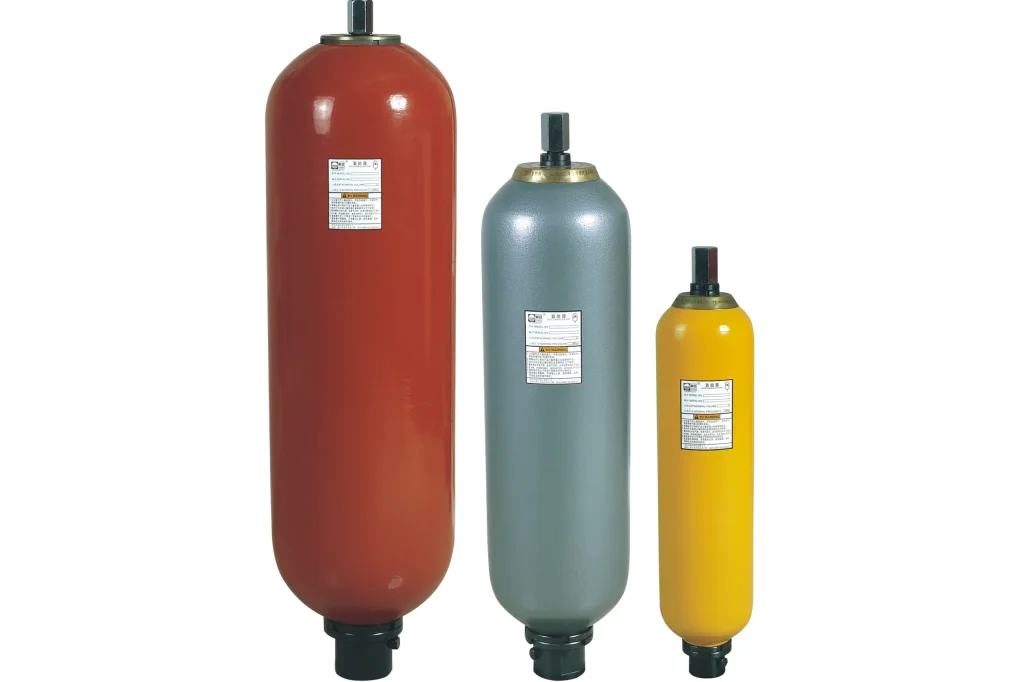
Heavy industrial hydraulic machines need steady pressure and smooth fluid movement to work right. Workers notice clear warning signs whenever an internal breakdown happens. Plant leaders should watch pressure gauges and listen to machine sounds during daily tasks. Catching a hydraulic accumulator failure early protects expensive parts across the whole production line.
Pressure Spikes and Slow Cycle Times
A damaged energy storage unit messes up normal fluid balance across the system. Unexplained pressure drops happen during regular work when an accumulator loses its pre-charge. The system then struggles to keep pressure levels steady during heavy tasks. Workers see wild pressure readings and sudden pressure spikes when internal gas levels drop. These changing pressure levels show a severe pre-charge loss inside the container.
A failing accumulator makes actuators move slowly and respond with long delays. Longer cycle times quickly reduce total machine output across the plant. Machines start unpredictably, suffer unexpected delays, and experience sudden bursts of speed. Equipment also loses its ability to change directions smoothly. Stopping the machinery causes quick pressure drops, while regular maintenance cycles show steady pressure losses. Systems take much longer to reach normal working pressure. These delays hurt overall plant output and ruin precise work schedules.
Ningbo Chaori Hydraulic builds tough bladder, piston, and diaphragm accumulator units that stop work delays. A trusted manufacturer designs every accumulator to absorb heavy shock loads and endure high pressure spikes in tough factory setups.
Pipe Vibration and System Overheating
A broken accumulator loses its soft gas cushion and cannot absorb shock energy. Fast closing valves suddenly stop the flowing fluid inside the lines. Stopping fluid this fast sends harsh shock waves through the liquid pipes. Wild pressure waves move back and forth very quickly through rigid piping. This issue causes a harmful water hammer effect throughout the system. Losing this cushioning creates loud knocking noises, heavy thumps, and strong pipe vibrations. This shaking damages surrounding pipe joints, connectors, and inner machine parts over time.
A hydraulic system gets too hot when main pumps run constantly without extra support. A failing accumulator forces the main pump to turn on much more often. The pump runs constantly to make up for lost fluid pressure. Overworked pumps make weird clicking sounds and create extreme friction heat inside fluid tanks. High heat ruins fluid quality and destroys critical valve seals. Running pumps constantly raises power bills and creates a big risk of total pump failure.
Spotting a hydraulic accumulator failure helps plant managers plan repairs before bigger problems happen. Maintenance teams look for these operational warning signs to stop total machine failure across plant equipment:
- Wild system pressure changes and sudden pressure spikes when valves switch.
- Slow actuator responses and longer cycle times on heavy machinery.
- Loud thumps, banging sounds, and heavy pipe shaking along fluid lines.
- Frequent pump cycling and bad system overheating from constant pump usage.
Physical Diagnostics for Your Hydraulic Accumulator
Physical checks help maintenance teams find inner damage before a machine breaks down completely. Technicians should test gas pressure levels and check oil quality during regular maintenance. Finding problems early protects pricey equipment, cuts unexpected downtime, and lengthens overall machine life across plant facilities.
N2 Gas Leaks and Actuator Sponginess
A torn bladder or bad seal lets nitrogen gas leak straight into the oil. Gas bubbles mix into fluid and make machine parts feel very spongy. Actuators lose their firmness because trapped gas squishes down easily under heavy weight. Plant managers need careful checks to catch small gas leaks early on. Fast repairs stop fluid contamination and keep machine speeds steady during tough industrial jobs. A good check routine uses simple physical tests to find internal gas leaks:
- Watch system pressure stability by watching gauge jumps while the machine runs.
- Measure accumulator gas levels with a standard nitrogen testing tool.
- Check the top gas valve for active leaks or broken threads.
- Check the oil for tiny bubbles, which show gas inside the fluid.
- Examine the accumulator shell for outside denting, deep scratches, or rust.
Checking gas pressure directly is the easiest test method; a simple gauge gives a fast visual reading of actual gas pressure.
Maintenance workers use Ningbo Chaori Hydraulic nitrogen tools and basic pre-charge testing gear to finish these checks fast. Proper care means setting accumulator gas pressure to correct factory limits. Regular accumulator checkups keep smooth pressure balance across every working machine line.
Rapid Pump Valve Cycling and Wear
Wrong gas levels make pump valves open and close much too fast on factory tools. An unloading valve switches constantly whenever an accumulator loses its inner gas cushion. This fast switching happens from bad gas levels, tight pressure settings, or a leaking check valve. Nonstop pump work creates strange machine sounds. An overworked pump runs all the time, makes odd barking noises, and finally turns on main warning lights.
A total hydraulic accumulator failure places extra stress on nearby machine parts. Without a soft gas cushion, inside parts suffer severe long-term damage:
- Sudden pressure spikes push hard against control valves and rubber fluid seals.
- Extra pump work speeds up normal wear on heavy pumps and electric motors.
- Lost energy turns into heat, raising oil temperature and destroying soft valve seals.
- Heavy shaking travels through hard pipes and valve blocks, making the whole machine shaky.
Engineers mount Ningbo Chaori safety blocks to protect expensive setup parts from sudden pressure losses. Buying a strong hydraulic accumulator helps keep machine work steady. Regular check routines verify gas pressure levels before major equipment breaks down. Proper service shields pricey pumps and lowers total plant repair bills. Machine workers quickly change old seals to prevent sudden tool breakdowns and keep plant work running high.
Operational pressure drops, loud knocking, and spongy actuators signal a hydraulic accumulator failure. Maintenance teams must check nitrogen gas pressure levels often to stop sudden machine breakdowns. Fast seal replacement prevents serious damage. Plant managers select quality accumulator parts and testing tools from Ningbo Chaori to ensure long-term equipment performance.
FAQ
How often should maintenance teams test accumulator pre-charge pressure?
Maintenance crews test gas pressure levels often to stop sudden equipment breakdowns. Regular checks help workers spot gas leaks early and keep machines running safely.
What causes nitrogen gas to leak into fluid lines?
Ripped bladders or bad rubber seals let nitrogen gas enter fluid lines. This leak makes moving parts feel spongy and messes up total power control.
Why does a failing accumulator cause system overheating?
Main pumps run nonstop without a working gas storage unit. Constant pump movement creates heavy friction heat and quickly ruins inside fluid machine parts.