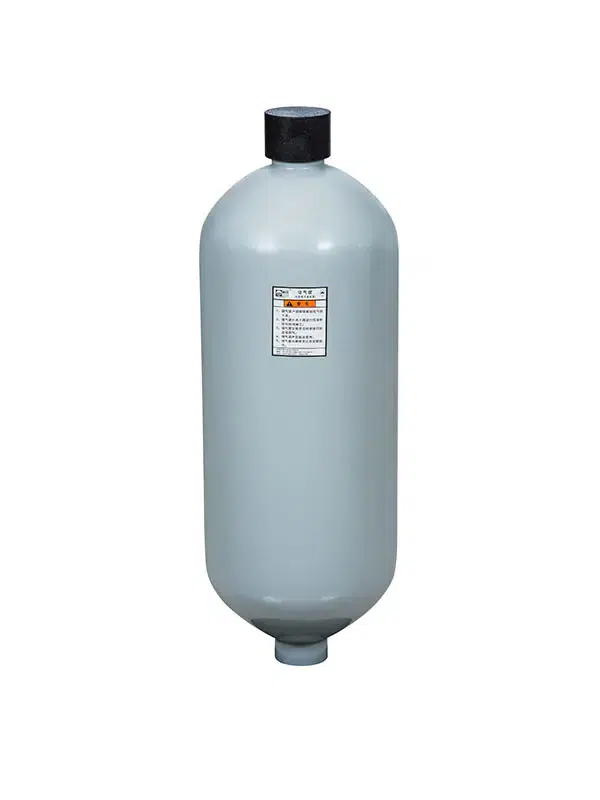
An automotive accumulator is a device designed to store pressure by holding hydraulic energy in the form of pressurized fluid. It plays a vital role in automotive and hydraulic systems. Chaori Hydraulic manufactures high-quality accumulators for a wide range of industries, helping to keep your vehicle running smoothly and ensuring driving safety.
Key Takeaways
- Energy storage accumulator are crucial for vehicle safety. They absorb shocks and maintain stable pressure, resulting in a smoother and safer driving experience.
- Automotive accumulators store hydraulic energy and rapidly release power when needed, helping to enhance vehicle performance and reduce energy consumption.
- Regular maintenance of accumulators is essential: check for leaks, ensure the fluid is clean, and use the appropriate fluid to extend their service life.

Accumulator Function and Mechanism
Energy Storage and Release
An accumulator acts like a dedicated “energy reservoir” within a vehicle. It stores hydraulic energy in the form of pressurized fluid; when the vehicle requires additional power, the accumulator can rapidly release this energy, ensuring smooth and safe operation.
In a hydraulic system, the accumulator serves as an auxiliary component. It can quickly release stored energy when the system demands extra power, while also absorbing excess fluid during periods of high pressure. Its fundamental operating principle involves separating hydraulic fluid from a compressible medium, such as gas or a spring. As the hydraulic pump generates pressure, fluid enters the accumulator and compresses the gas or spring, thereby storing energy. When needed, this stored energy is rapidly released to support the system without placing an additional load on the hydraulic pump.
Accumulators are widely used in start-stop systems, electric vehicles, and hybrid vehicles. They enhance vehicle performance and reliability by providing the rapid power needed to restart the engine, storing energy recovered during braking, and maintaining the operation of infotainment systems when the engine is turned off.
Types of Accumulators in Cars
Car makers use different accumulators for different jobs. Chaori Hydraulic makes three main types: Bladder, Piston, and Diaphragm Accumulators. Each type has its own features and benefits.
| Type | Structure and Design | Working Principle | Advantages | Applications |
|---|---|---|---|---|
| Diaphragm Accumulators | A flexible diaphragm keeps gas and fluid apart. It is small and compact. | The diaphragm moves with pressure changes and pushes fluid out. | Small, low cost, reliable, fast response | Used in car brake systems, lubrication, and small machines. |
| Bladder Accumulators | A rubber bladder keeps nitrogen and oil apart. | It reacts fast to pressure changes and absorbs shocks. | Good for quick energy release | Used in many car systems for energy storage and shock absorption. |
| Piston Accumulators | A piston keeps gas and liquid apart. Good for high pressure. | Handles big flow rates and works in heavy machines. | Can handle high pressure well | Used in big machines and places that need lots of fluid flow. |

Bladder accumulators offer rapid response and effective shock absorption, making them ideal for automotive suspension systems and mobile machinery. Piston-type accumulators are suited for high-pressure, high-flow applications and are commonly found in large presses and offshore equipment. Diaphragm-type accumulators are compact and reliable, frequently used in braking and lubrication systems.
When selecting an accumulator for a vehicle, factors such as energy storage capacity, pressure rating, fluid compatibility, size, and ease of maintenance should be considered. Large accumulators are appropriate for high-energy applications, whereas smaller units are better suited for automobiles and mobile machinery. Chaori Hydraulic manufactures a range of products designed to meet these requirements for both industrial facilities and operators.
Tip: If you want to learn about automotive batteries, please remember: an accumulator is not a battery. A battery stores electrical energy, whereas an accumulator stores hydraulic energy.
Role in Car A/C Systems
The accumulator plays a vital role in automotive air conditioning systems. By storing excess refrigerant, it protects the compressor and ensures the system operates efficiently, providing you with a cool and comfortable driving experience.
The accumulator regulates the flow of refrigerant entering the compressor while preventing moisture and impurities from entering the system, thereby safeguarding its components. Its primary functions include:
- Preventing liquid refrigerant from entering the compressor to ensure its safety.
- Blocking moisture and impurities from the air conditioning system to protect internal components.
- Ensuring the proper return of refrigerant and lubricating oil to the compressor.
These functions collectively ensure the stable and efficient operation of the air conditioning system. Accumulators manufactured by Chaori Hydraulic help maintain this balance, enhancing both vehicle performance and system safety.
Accumulator Applications and Benefits
Automotive and Industrial Uses
Accumulators have a wide range of applications. In the automotive sector, they store energy and provide instantaneous power, supporting start-stop systems and enabling regenerative braking; electric and hybrid vehicles also utilize them to ensure efficient system operation. In factories and on construction sites, accumulators assist in lifting heavy loads and enhancing the performance of machinery. Furthermore, the oil and gas industry, the aviation sector, and wind turbine installations employ accumulators to provide energy reserves for emergency situations.
Chaori Hydraulic accumulators are suitable for diverse operating conditions. They can be used in marine applications to dampen vibration and in wind power systems for energy storage. Factories choose Chaori Hydraulic products for their rugged durability and long service life.
Accumulators are ubiquitous; they not only optimize automotive performance but also enhance the operational safety of machinery.
Performance and Safety Advantages
Accumulators offer numerous advantages. They function like shock absorbers and help maintain stable pressure.
Key benefits of accumulators include:
- Energy and power savings.
- Serving as a backup power source.
- Damping pressure shocks and pump-generated pulsations.
- Maintaining stable pressure to ensure smooth system operation.
- Enhancing system safety and efficiency.
These advantages are evident in applications ranging from automobiles to large-scale machinery. For instance, diaphragm-type accumulators use a rubber diaphragm to separate gas from fluid; they store energy when pressure rises and release it when needed, ensuring the stability and safety of vehicle systems. If you experience a bumpy ride, sluggish system response, or detect a leak, the accumulator may be damaged. In such cases, the accumulator should be replaced to ensure vehicle safety.
Chaori Hydraulic products hold multiple authoritative certifications.You can rely on Chaori Hydraulic to provide robust, safe accumulators suitable for automotive or industrial equipment.
B2B Value for Manufacturers and Suppliers
If you manufacture or sell products, you naturally want them to be durable. The accumulators offered by Chaori Hydraulic can help your business thrive; by enhancing performance and optimizing energy efficiency—and with broad applications in electric and hybrid vehicles—they help you maintain a competitive edge.
Here are some money benefits you get:
| Economic Benefit | Description |
|---|---|
| Enhanced Performance | Good accumulators make cars work better. |
| Increased Efficiency | New accumulators help save energy in cars. |
| Compliance with Regulatory Standards | Meeting rules helps you sell more and avoid problems. |
| Support for Electric and Hybrid Vehicles | New systems are needed for electric and hybrid cars. |
| Positioning in Competitive Market | Using new tech helps you win more customers. |
You can also benefit from new technologies. Some accumulators feature IoT capabilities, enabling real-time monitoring and the early resolution of issues. You can select a design that suits your facility’s specific needs. If you detect wear or poor performance, purchasing a new accumulator is the solution.
Chaori Hydraulics is a trusted partner, thanks to its advanced technology and industry certifications. You will receive high-quality products, expert support, and value that drives your business growth.
Accumulator Maintenance and Troubleshooting
Common Issues in Car Accumulators
Problems with the vehicle’s accumulator (or receiver-drier) can affect both performance and safety. Watch for the following signs: a rattling noise when the air conditioning is turned on; loose or ruptured hoses; refrigerant leaks; mold growth and unpleasant odors; a worn internal diaphragm; a drop in nitrogen pre-charge pressure; or internal rust and corrosion. You may also experience difficulty starting the vehicle, rough idling, or engine stalling; detect a fuel odor or spot a leak; or see the check engine light illuminate.
If you notice dim headlights or sluggish starting, it is advisable to check the battery. These symptoms often indicate that the battery needs to be replaced or requires maintenance.
Maintenance Tips for Longevity
Regular maintenance helps extend the service life of accumulators. Consider these simple maintenance tips: frequently check for leaks or damage; ensure fluid cleanliness to protect seals; always use fluid with the correct specifications and viscosity; test system pressure and response; and provide standardized training for the maintenance team.
Establishing a sound maintenance plan helps detect issues early. Adopting newer designs can enhance accumulator performance. Maintaining cleanliness is crucial, as impurities in the fluid accelerate wear.
| Maintenance Error Type | Description |
|---|---|
| Improper Installation | Wrong mounting or precharge can wear parts out early. |
| Poor Fluid Quality | Dirty oil can hurt seals and cause leaks. |
| Lack of Cleanliness | Dirt inside can wear parts out fast. |
| Low-Quality Parts | Bad parts can leak and lose pressure. |
When to Consult a Professional or Supplier
You should seek professional assistance if you notice any of the following signs: dimming headlights or electrical malfunctions; a “clicking” sound when starting the vehicle; the need for frequent jump-starts; or the presence of an unusual odor or a bulging battery case.
A professional can test your battery and check for more serious issues. Regular battery maintenance and a few simple tips can help ensure your vehicle remains safe and in good working condition.
FAQ
What is the difference between a car battery and an accumulator?
You use a car battery to store electrical energy. The accumulator stores hydraulic energy. Both help your car run, but the battery powers electronics and the accumulator supports hydraulic systems.
How often should you check your car battery?
You should check your car battery every few months. Look for leaks, corrosion, or slow starts. Regular checks help you avoid battery failure and keep your car running smoothly.
Can a weak car battery affect your car’s performance?
Yes, a weak car battery can cause slow starts, dim lights, and system errors. You may notice your car does not start easily. Replace the battery if you see these signs.
What are signs that your battery needs replacement?
You may see dim headlights, slow engine starts, or a warning light. If your battery is old or you jump-start often, you should get a new car battery soon.
How do you extend the life of your car battery?
You can extend battery life by keeping terminals clean, avoiding short trips, and turning off lights when parked. Regular maintenance helps your car battery last longer.
Tip: Always use the right battery for your car. Check your car battery’s age and replace it before it fails.