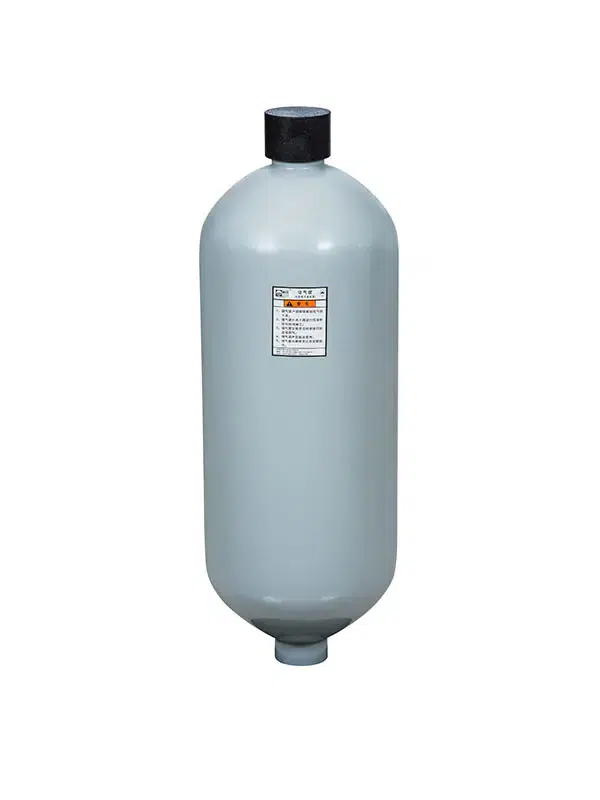

A nitrogen accumulator is a water-and-air device that stores energy. It uses squished dry nitrogen gas to soften fluid movement inside hydraulic systems. Engineers install these hydraulic accumulators to save power and help pumps handle extra work. A hydraulic accumulator also soaks up hard bumps while helping control pressure. These dependable tools protect important fluid paths.
Key Takeaways
- Nitrogen accumulators hold extra liquid power. This saved energy lets small pumps do heavy jobs and lowers electricity costs.
- Accumulators soak up heavy fluid shocks and bumps. This protective action guards delicate valves, pipes, and seals against harm.
- Dry nitrogen gas safely keeps the system pressure steady. This stable gas stops dangerous fires and explosions when things get very hot.
Core Functions of a Nitrogen Accumulator
A nitrogen accumulator performs key tasks to keep fluid power running smoothly. This hydro-pneumatic unit uses squished dry nitrogen gas to manage sudden forces and save energy.
Storing Energy and Helping Pump Flow
The device uses sealed gas like a mechanical spring inside its metal body. Hydraulic fluid flows into the chamber and squeezes the gas inside. This process lets the part store high-pressure hydraulic fluid for later use. During heavy work, the compressed gas quickly expands and pushes fluid back into the system. This extra flow helps main pumps during busy work times.
Adding extra flow changes how engineers design modern power systems. Storing spare energy lets designers pick smaller main pumps without losing any power. A system without an accumulator might need a 100 gpm pump with a 125 hp motor. Adding hydraulic accumulators lowers the needed pump flow to just 22 gpm. This setup drops the required pump size by 78%. Smaller pump motors use less power and cut daily energy bills.
Good pressure control relies on exact sizing steps and working heat levels. Engineers find gas expansion using set gas laws:
| Condition | Exponent n | Formula | Selection criterion |
|---|---|---|---|
| Isothermal | 1 | P1V1 = P2V2 | Constant temperature with slow gas expansion |
| Adiabatic (nitrogen) | 1.4 | P1V1^1.4 = P2V2^1.4 | Rapid cycle expansion in less than one minute |
Workers set the starting nitrogen pre-charge pressure between 80% and 90% of the lowest system working pressure. Right pre-charge settings stop fast seal wear, prevent shaky pressure, and avoid slow system reset times.
Absorbing Shocks in Hydraulic Systems
Fast valve moves and pump beats trigger sudden fluid surges in hydraulic systems. High fluid speed causes water hammer, heavy shock, and shaking pipes. Hydraulic accumulators soak up shock by acting as soft hydro-pneumatic pads. The gas side squishes during big surge events to protect weak control valves, seals, and pipe joints from breaking.
Stopping pulse shocks shields sensitive system parts from long-term metal wear. Gas-charged units catch high pressure spikes on every pump stroke and release fluid when flow drops. Smooth, steady fluid movement cuts pipe noise, protects flow meters, and helps pumps last much longer.
Factory machines depend on gas-charged accumulator units for continuous safety and strong system steadying. The following bullet points highlight key operational roles across field applications:
- Steady pressure control keeps holding force even when tool loads change.
- Fast energy release supplies quick fluid flow for wind power blade controls.
- Strong shock damping shields big construction machines from hard bumps during daily work.
By smoothing flow and taking in energy, hydraulic accumulators keep modern hydraulic systems running safely and well.
Pressure Control and System Protection

Maintaining Static Pressure and Thermal Expansion
Heat makes trapped fluid grow inside tight hydraulic lines during daily machine operation. Long work cycles and hot sun create high heat that drives pressure up fast. High-pressure hydraulic accumulators soak up this extra fluid to protect weak hoses, pipes, and valve seals. This cushioning action stops fluid lines from bursting under high heat.
Tiny inner fluid leaks across valve spaces cause pressure to drop over time. The nitrogen unit pushes stored fluid back out whenever line pressure falls. This steady supply maintains system pressure without forcing the main pump to run continuously. Turning off the pump saves power and keeps system oil cool. Good pressure control protects sensitive parts and keeps heavy equipment running smoothly.
The Role of Inert Nitrogen Gas
Engineers use dry nitrogen gas to pre-charge modern hydraulic accumulators safely. Nitrogen stays stable under heavy pressure loads and very hot working temperatures. Using regular air or pure oxygen creates extreme fire hazards inside high-pressure fluid lines. High pressure mixed with oxygen burns oil quickly and creates dangerous heat. These unsafe conditions bring high explosion risks to heavy-duty fluid power machines.
Pure nitrogen stops dangerous fires and protects hydraulic systems during heavy work cycles. Operators use special charging tools and pre-charge valves to check gas safety levels. Safety valve blocks prevent sudden pressure spikes during continuous energy transfers. Right pre-charge levels protect internal parts and support reliable machine operation across all working conditions.
How Hydraulic Accumulators Execute Energy Storage

Bladder and Diaphragm Accumulator Applications
Inside the metal body, specific designs keep squeezed gas away from liquid during power storage. A bladder accumulator uses a bendable rubber bag inside a tough shell. Moving liquid squishes the gas bag quickly to hold energy inside fast-moving machines. Normal bladder hydraulic accumulators easily run medium-duty tasks up to 5,000 PSI.
Diaphragm units use a thin rubber wall to separate the gas from the liquid. The thin wall bends right away as liquid moves inside the tank. This small build fits into tight spaces on farm tools and exact machines. Diaphragm hydraulic accumulators offer low-cost energy storage for smaller setups working under 3,000 PSI. These parts smoothly stop pressure bumps and hold liquid for quick tasks.
Piston Accumulators in Heavy Industry
Big factory equipment needs strong parts to handle huge loads. A piston nitrogen accumulator uses a sliding metal plug inside a smooth steel pipe. Incoming liquid pushes this plug to compress the gas on the other side. Companies make these parts with liquid holds from 0.1 L to 1,500 L. Regular models handle basic forces up to 3,000 PSI, while heavy-duty builds handle massive power up to 1,200 bar in steel plants.
| Accumulator Type | Separating Element | Operating Limit | Typical Application |
|---|---|---|---|
| Bladder | Rubber bladder | Up to 5,000 PSI | High-flow industrial machinery |
| Diaphragm | Flexible membrane | Below 3,000 PSI | Compact precision equipment |
| Piston | Floating piston | Up to 1,200 bar | Steel mills and heavy manufacturing |
As a worldwide maker, Ningbo Chaori Hydraulic builds custom hydraulic accumulators and full accumulator stations. The plant holds ISO 9001, ASME, and CE quality proof to guarantee safe work across large fluid power setups.
A nitrogen accumulator works like a vital hydro-pneumatic shock pad and back-up power unit. Hydraulic accumulators shield hydraulic systems by providing steady energy storage and easy pressure control. Picking the right build and keeping correct dry nitrogen pre-charge levels boosts working life and productivity. Regular upkeep ensures lasting system stability in current fluid power designs.
FAQ
Why do hydraulic accumulators use dry nitrogen instead of regular air?
Dry nitrogen stays safe and will not catch fire under high pressure. Mixing oxygen with high pressure creates serious fire hazards and explosion risks inside fluid lines.
How does a nitrogen accumulator lower energy costs?
It saves extra hydraulic fluid when system demand drops. The unit releases this stored power during busy work times, letting designers use smaller main pump motors.
What is the correct nitrogen pre-charge pressure for an accumulator?
Workers set the nitrogen pre-charge pressure between 80% and 90% of the lowest system working pressure. Right pre-charging prevents seal wear and shields fluid equipment.