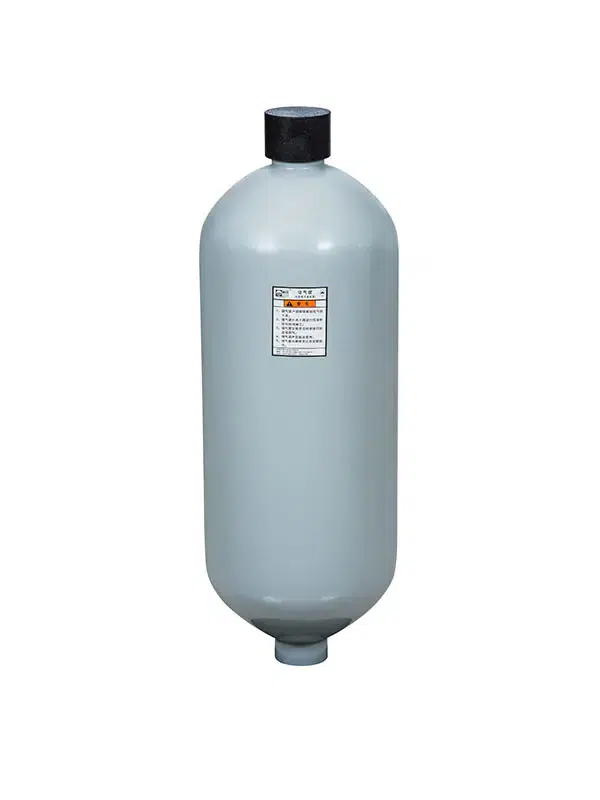
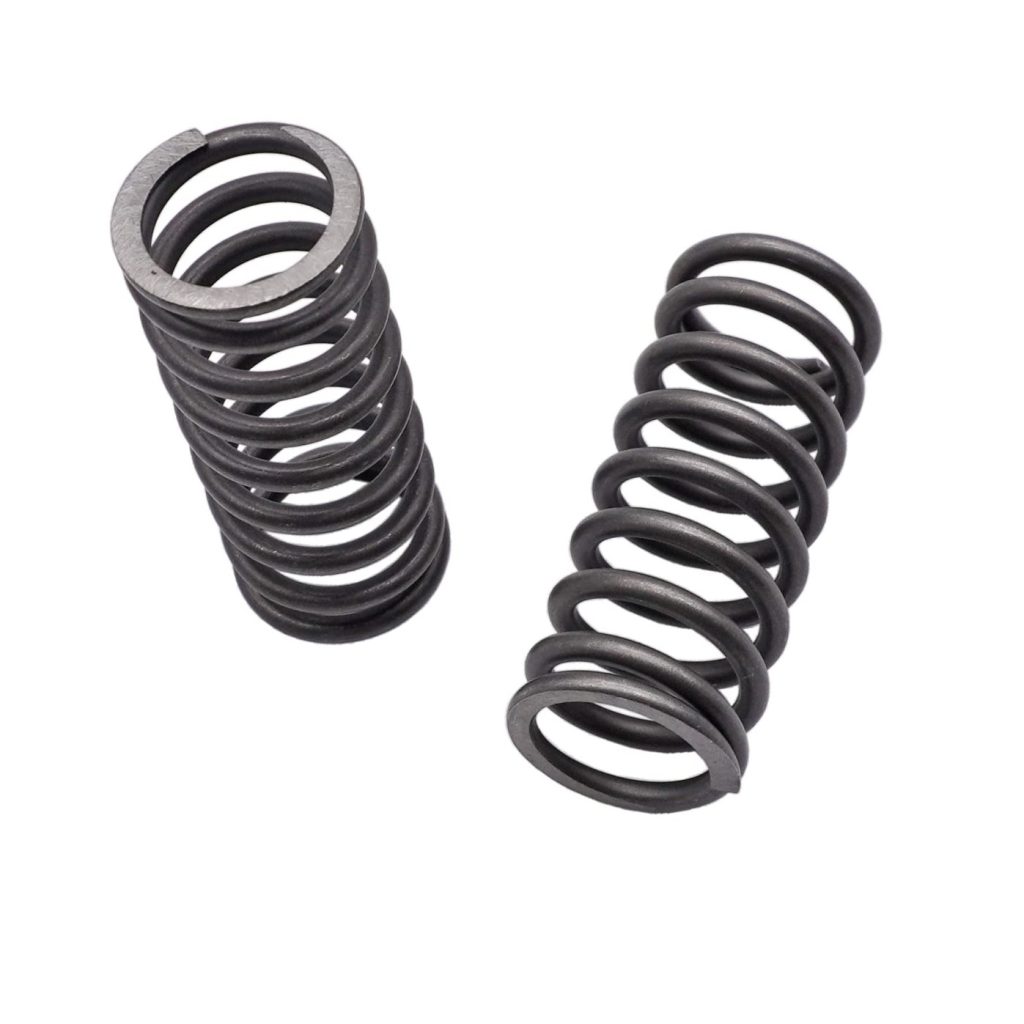
In automatic transmissions, we often see hydraulic accumulator springs for 3rd and 4th gear shifts. These springs control the hydraulic pressure during gear changes. Primarily, they buffer the 4th gear clutch when shifting from 3rd to 4th gear and alter the braking speed, resulting in smoother and faster shifts. Pressing the accelerator harder generates more pressure in the accumulator, leading to quicker gear changes. Conversely, gentle driving slows down the accumulator’s operation and reduces pressure. This damping effect makes each gear shift feel smooth and easy to control.
Key Takeaways
- The 3rd/4th gear accumulator springs help control oil pressure during gear shifts, ensuring smooth gear changes.
- If the springs are functioning properly, they prevent shift shocks and protect the transmission from damage. If the springs are damaged, you might hear popping noises, or notice gear slippage or shift jerking.
- Regular maintenance of the accumulator springs helps improve vehicle performance and extend transmission life. Replacing old springs is inexpensive but can significantly improve your driving experience.
3/4 Accumulator Spring Function and Importance
Accumulator Assembly Basics
An automatic transmission contains an accumulator assembly, which consists of several key components that work together to regulate hydraulic pressure during gear shifts. The accumulator typically includes a piston or diaphragm located within a chamber, and a calibrating spring behind it. When hydraulic oil enters the chamber, the piston compresses the spring, temporarily storing energy.
During operation, the accumulator acts as a hydraulic damper. When the clutch or brake band engages, a sudden pressure spike occurs in the system. The hydraulic accumulator absorbs some of the excess pressure, resulting in a smoother engagement. This damping effect helps prevent sudden mechanical stress, reduces noise, and improves overall driving comfort. Essentially, the accumulator can be compared to a shock absorber within the transmission, smoothing out hydraulic fluctuations and ensuring controllable power output.
Hydraulic Pressure Control
The pressure control within an automatic transmission relies on the 3rd/4th gear accumulator spring. This spring works in conjunction with the accumulator to change the pressure on the clutch during shifts. When you press the accelerator pedal, the system senses the engine load and prepares for the shift. Simultaneously, the 3rd/4th gear accumulator spring also helps control oil pressure, allowing the clutch to engage smoothly and at the right time.
- Before Shift : The system adjusts the oil pressure based on your accelerator pedal pressure and engine load to prepare for the shift.
- Shift Mode : As the fluid flows, the pressure within the servo mechanism and accumulator gradually increases, affecting the feel and timing of the shift.
- Accumulation Complete : When the accumulator reaches its limit, the pressure rises sharply. If not properly controlled, this can cause shift jerking.
If the accumulator spring cannot properly control the pressure, shifts may feel harsh or sluggish. This not only affects driving comfort but can also damage the transmission in the long run. The spring acts like a safety net, maintaining the pressure within an appropriate range for smooth shifts.
Accumulators and their circuits have been used to control shift feel for many years. These components are designed to alter the shift feel by cushioning the hydraulic pressure generated when the clutch, brake, or brake band moves. This cushioning allows the components to engage gradually, rather than violently, thus avoiding damage or noise.
Shift Feel and Performance
Accumulators and their associated circuits have long been crucial for optimizing the shift quality of automatic transmissions. They buffer pressure during clutch and brake band engagement, enabling gradual, rather than instantaneous, engagement of components. This gradual engagement significantly reduces shift shocks, vibrations, and mechanical wear.
A properly functioning accumulator system contributes to smoother shifts, improved driving comfort, and enhanced vehicle handling. Furthermore, it extends the lifespan of transmission components by minimizing stress and preventing premature wear. The 3rd/4th gear accumulator spring, in particular, plays a vital role in balancing responsiveness and smoothness.
However, if the accumulator spring wears, ages, or breaks, the transmission may exhibit symptoms such as shift shocks, delayed engagement, or performance instability. These issues not only affect the driving experience but can also lead to long-term damage if left unaddressed. Therefore, regular inspection and timely maintenance of the accumulator system are essential to ensuring optimal transmission performance and reliability.You certainly want your car to shift smoothly. 3/4 gear accumulator springs not only improve driving smoothness and comfort and reduce shift shock, but also extend the life of your transmission. If the spring breaks or fails, shifting may become stiff or delayed, making the vehicle difficult to control.
The industry has strict standards for the lifespan and performance of accumulator springs. Here are some characteristics of a high-quality spring:
| Feature | Description |
|---|---|
| Longer bore length | Gives more support to the piston |
| Material | Made from high-quality aluminum |
| Durability | Lasts longer than original parts |
| Seal compatibility | Fits standard OE or replacement seals |
| Easy installation | Drop-in Zip Valve™ parts install quickly |
If the accumulator spring malfunctions, you may experience shift jerks or even transmission failure. Improper control can prevent the transmission from functioning properly or shorten its lifespan.
Accumulator Spring Symptoms
Signs of Failure
When the 3rd/4th gear accumulator springs begin to fail, you’ll notice several signs. These issues reduce driving pleasure and can lead to more serious transmission problems.
- Popping/Clattering: You might hear a loud popping or clicking sound when shifting gears; this sound usually comes from the transmission area.
- Shifting Slippage: Sometimes, your vehicle may slip out of gear or have difficulty staying in the correct gear, making the vehicle feel abnormal.
- Sharp Shifts:You might feel that the transmission shifts too hard or too softly; the shifting process may feel slow or jerky.
- Shift Shocks: If the springs fail, the pressure in the servo mechanism may decrease. This affects shift timing, causing a jerky feeling when shifting.
When the 3rd/4th gear accumulator springs fail, it causes shift shocks and affects the driving experience.
If you ignore these signs, your transmission may be damaged over time. Overly smooth shifts cause internal parts to wear out faster, and this can lead to transmission failure due to prolonged improper pressure control.
Recommended Maintenance Practices
| Recommended Practice | Description |
|---|---|
| Piston First | Put the piston in the case first for the 3-4 accumulator so it works right. |
| Spring Placement | Use the lighter tall spring in the 4th accumulator for best results. |
| Blocking the Accumulator | Leaving the spring out can make the 3-4 shift feel better. |
Check for problems
- Replace any worn or broken parts, such as the forward accumulator piston.
- Use an air compressor to test whether the clutch plates and piston can maintain pressure.
- Try using upgraded parts to prevent future failures.
If springs need replacing, they are not expensive. For example:
| Part Description | Price |
|---|---|
| 3/4 accumulator spring (A500 etc) | $6.76 |
| 4L60E accumulator spring | $1.65 |
Proper maintenance of the accumulator springs is crucial for ensuring the normal and stable operation of the transmission system. Maintaining the springs’ good performance helps to precisely regulate hydraulic pressure during gear shifts, resulting in smoother shifts, reduced shift shock, and an improved overall driving experience. Furthermore, proper maintenance reduces wear on the clutch, brake bands, and other critical components, thereby extending the overall lifespan of the transmission system.
Keeping the accumulator springs in optimal condition helps improve the system’s efficiency and reliability under various operating conditions. It minimizes the risk of unexpected failures, reduces long-term maintenance costs, and ensures stable vehicle performance. Ultimately, proactive maintenance not only improves driving safety and reliability but also avoids costly repairs and downtime, making it a key aspect of long-term vehicle maintenance.
Ningbo Chaori’s hydraulic accumulator experts offer a step-by-step guide on how to inspect and repair 3/4 accumulator springs. They will teach you how to check, test, and locate leaks to prevent clutch damage.
FAQ
What happens if the 3/4 accumulator spring fails?
You might feel stiff or delayed gear shifts, and sometimes you might hear a popping sound. Ignoring these signs can cause your transmission to wear out faster.
How do you know if your 3/4 accumulator spring needs replacement?
If you experience jerking during gear shifts, gear slippage, or unusual noises when shifting, the springs may need replacing. A mechanic can inspect and identify the problem.
Can you drive with a broken 3/4 accumulator spring?
You can continue driving, but doing so may damage the transmission. Jerky or irregular shifting will accelerate wear, and you’ll need to replace the springs as soon as possible to help protect your car.
How often should you check the 3/4 accumulator spring?
| Driving Style | Check Interval |
|---|---|
| Normal driving | Every 30,000 miles |
| Heavy use/towing | Every 15,000 miles |
Regular checks help you catch problems early and keep your transmission healthy.