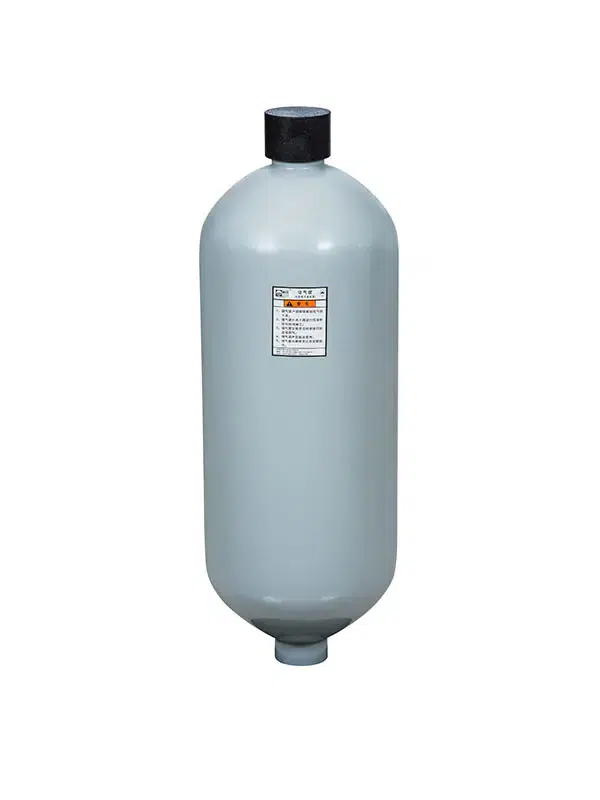
If accumulator pressure gets too low in your hydraulic system, you will see problems fast. Chaori’s Hydraulic Accumulator helps your system work well, but low pressure can cause big trouble. You might notice the pressure is not steady, which makes the system less good and harder to use. The system could react slowly, and the pump will have to work more, using extra energy. This puts more strain on parts and can even make things unsafe if the system cannot control pressure.
Key Takeaways
- When accumulator pressure is low, the system works worse. Actuators move slower and control is not as good.
- Low pressure makes parts like piston seals and diaphragms wear out faster. This means you will pay more for repairs.
- If you ignore low pressure, the system can break. This can be dangerous and can harm your equipment.
- You need to check and maintain pressure often. This helps stop low accumulator pressure and keeps the system working well.
- If you hear weird sounds or things move slowly, act fast. This will help keep your hydraulic system safe from breaking.
Consequences of Low Accumulator Pressure
Reduced Performance
If accumulator pressure gets too low, your system will not work as well. The hydraulic system can lose pressure stability. This makes it hard to keep things running smoothly. Actuators may move slower and control is less accurate. Your equipment will use more energy and work less efficiently. For example, a Chaori Bladder Type accumulator may not dampen vibration as much. It may also react slower. The system will not give you the performance you expect. This can mess up your production schedule and make costs go up.
Note: Keeping the right accumulator pressure is important for steady performance. Chaori’s ASME/CE certified accumulators help you follow safety and quality rules. They make sure your factory or plant works reliably.
Increased Wear
Low accumulator pressure makes many parts work harder. Piston seals in piston accumulators can wear out faster. Diaphragm accumulators may have their diaphragm tear or break if pressure is too low. This can make the system unstable. Other parts may wear out sooner. Over time, these problems can cause leaks and more repairs. You will spend more money on fixing and replacing parts. This lowers how well your system works.
Parts that wear out faster include:
- Piston seals in piston accumulators
- Diaphragms in diaphragm accumulators
- Hydraulic pumps and valves
If you do not fix low pressure, your accumulator can fail early. This can cause your system to stop working when you do not expect it.
System Failure
If you ignore low accumulator pressure, the accumulator can stop working completely. The system may not store or release energy when needed. This can cause sudden stops or unsafe situations. Bad leaks may happen and put your team in danger. Other equipment can get damaged. If you run a wholesale or manufacturing business, this can mess up your supply chain. It can also make customers lose trust. Reliable accumulators like Chaori’s are made to stop these risks. They meet strict ASME/CE standards.
Warning: System failure can mean lost production time, safety problems, and higher costs. Regular checks and maintenance help you avoid these issues. They keep your hydraulic system working well.
Knowing these problems helps you protect your equipment. You can keep your system working at its best. Chaori’s expert team can help you pick the right accumulator. They can also support you so your operations do not fail.
Accumulator Pressure Warning Signs
When you use a hydraulic system, you should watch for early trouble. Low accumulator pressure can cause lots of problems. If you notice warning signs soon, you can stop system failure. This helps your equipment work its best.
Noises and Vibrations
You might hear weird noises or feel shaking if the accumulator is not working right. These sounds often mean there is a problem with precharge pressure or pressure instability. Listen for knocking, banging, or chattering. These noises can come from gas pockets, the bladder hitting poppet valves, or gas and fluid mixing inside the accumulator. You may also feel vibrations in the pipes. This can make nearby parts wear out faster and lower how well the system works.
- Common signs include:
- Erratic pressure changes
- Strange knocking or banging sounds
- Vibrations in the hydraulic system
- Too much heat near the accumulator
Tip: If you hear these noises, check the precharge pressure right away. Acting quickly can help you stop accumulator failure and keep your system safe.
Slow Operation
Slow operation is another sign of low accumulator pressure. When the system runs slow, you may see delays in actuator movement or slow system response. This happens because the output signal from the accumulator leaves faster than the pressure signal. The delay can make it hard to know what is happening inside the drive. If you see slow cycles or sluggish movement, check the precharge and pre-charge pressure. Slow operation can make the system less efficient and hurt performance.
- Watch for:
- Delays in actuator movement
- Slower cycle times
- Lower system efficiency
Pressure Gauge Issues
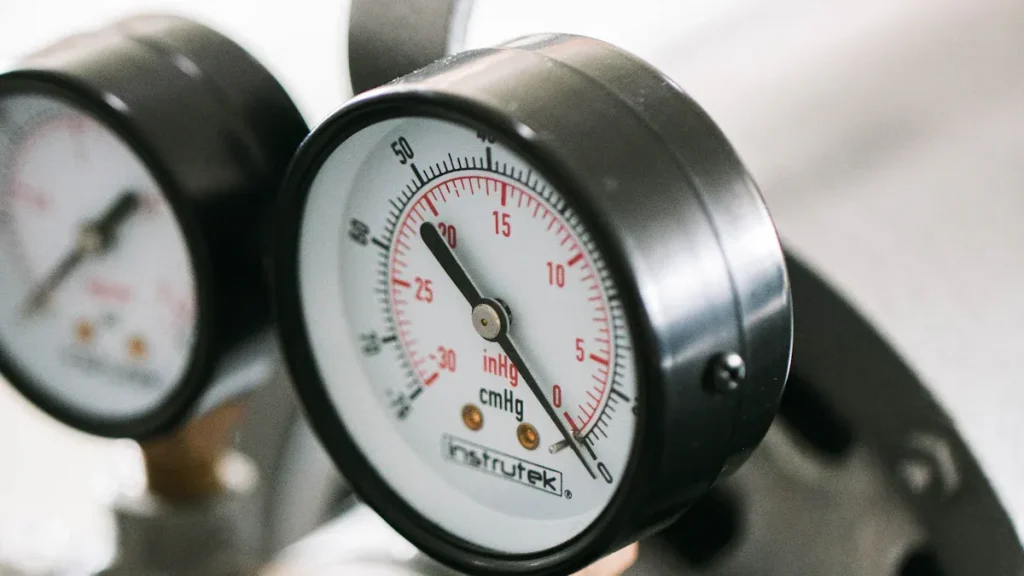
Pressure gauge problems can also warn you about low accumulator pressure. If the gauge shows unstable readings or sudden drops, you may have pressure changes or a leak. Sometimes, you might see hydraulic fluid leaking near the accumulator. This can mean a drop in precharge or even a risk of accumulator failure. Always check the gauge for steady readings. If you see changes, act fast to protect your system.
- Signs to look for:
- Unstable or bouncing pressure readings
- Sudden drops in pressure
- Hydraulic fluid leaking near the accumulator
Note: Checking the pressure gauge often helps you find problems before they cause system failure. This keeps your factory or plant running well and protects your investment.
Accumulator Troubleshooting and Maintenance
Detecting Low Pressure
It is important to find low accumulator pressure early. This keeps your hydraulic system safe and working well. Accumulator manufacturers and suppliers use different ways to check for problems. The table below lists some common ways to find low pressure in different accumulators:
| Method | Description |
|---|---|
| p0-Guard | Watches precharge pressure in all accumulator types. |
| EDS 3400 | Checks precharge pressure when the system is off. |
| BIS | Finds fluid in the bladder, which means the bladder is broken. |
| Laser Position Measurement | Uses lasers to track piston position. |
You should check precharge pressure often. Look for pressure changes or leaks. These can be signs that the accumulator might fail.
Maintenance Tips
Doing regular maintenance helps your hydraulic system work its best. You should check and replace parts on a set schedule. This helps you find leaks and pressure loss before they get worse. Here are some good tips for keeping accumulator pressure right:
- Add nitrogen gas slowly when filling a bladder or diaphragm accumulator.
- Do not use more precharge pressure than the manual says. This keeps the bladder and poppet safe.
- Make sure precharge pressure is high enough so the bladder does not get crushed.
- Watch precharge levels in piston accumulators. This stops the piston from hitting the bottom.
Checking and caring for your accumulator often helps it last longer. It also makes your system work better.
Safety Hazardsures Preventive Meas
Running a hydraulic system with low accumulator pressure is risky. There could be a sudden energy release that hurts people or equipment. Bad maintenance can make the accumulator fail and cause accidents. Always use safety devices like pressure-relief valves. Do not only trust old gauges to check system energy. Checking and handling the system the right way keeps your team and equipment safe.
If you need help, Chaori has experts who can support you. They offer solutions for factories, wholesalers, and manufacturers. Their team helps you pick the right accumulator and keep your system safe and reliable.
Checking accumulator pressure early helps protect your hydraulic system. Doing regular maintenance keeps your equipment safe and working well. Look at the table below to see the long-term benefits:
| Benefit | Description |
|---|---|
| Reduced Downtime | Machines run more and spend less time waiting for repairs. |
| Extended Equipment Life | Regular maintenance helps equipment last longer and delays replacements. |
| Improved Energy Efficiency | Systems that are taken care of use less energy. |
| Lower Repair Costs | Fixing small problems early stops big, expensive repairs. |
| Enhanced Reliability and Safety | Servicing equipment often keeps people and machines safe. |
To stop low pressure, try these tips:
- Check precharge pressure many times.
- Make sure the accumulator size fits what your system needs.
- Ask experts to help you find the right pressure and flow.
Chaori’s expert team can help your hydraulic system work better.
FAQ
What causes low accumulator pressure?
Low pressure can happen because of leaks or worn seals. It can also be caused by wrong precharge. Manufacturers say you should check for broken parts often. You should watch the pressure to catch problems early. Suppliers give maintenance kits to help you fix these issues fast.
How often should you check accumulator pressure?
You need to check accumulator pressure every week. Factory managers and wholesale operators use a routine schedule. Regular checks help you find problems before they get worse. This stops expensive downtime.
Can low accumulator pressure damage your hydraulic pump?
Yes, low pressure makes your hydraulic pump work harder. This causes more wear and makes the pump last less time. Keeping the right accumulator pressure protects your equipment. You should follow what the manufacturer says.
What tools help you detect low accumulator pressure?
You can use pressure gauges to check for low pressure. Nitrogen charging kits and electronic sensors also help. Manufacturers and suppliers offer these tools for easy monitoring. They help you keep your hydraulic system working well.
Who can help you solve accumulator pressure problems?
Chaori’s expert team helps manufacturers, factories, and wholesalers. You get solutions made for your needs and expert advice. This keeps your hydraulic system safe and reliable.