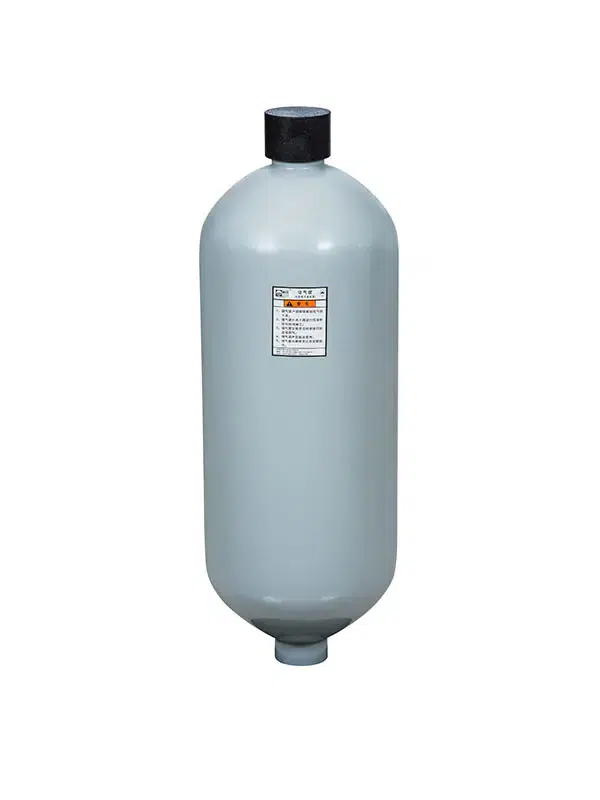
Hydraulic accumulator failure causes the hydraulic accumulator system to lose its energy storage and release capabilities, leading to a range of performance and safety issues. One early sign is pressure instability—as the hyd accumulator no longer acts as a buffer, pressure fluctuations become more severe, impacting system efficiency. Furthermore, the lack of stored energy to handle sudden demands reduces peak system performance. This results in slower actuator response, increased hydraulic pump load, accelerated wear, and higher energy consumption.
Similarly, the loss of damping can cause pressure spikes and mechanical stress, potentially damaging valves, seals, and other components. In critical applications, accumulator failure can also lead to backup power failure, increasing the risk of system downtime in emergencies.
Accumulator failure reduces system stability, efficiency, and reliability and should be repaired as soon as possible to prevent further damage.
Key Takeaways
- When a hydraulic accumulator fails, pressure drops fast. This makes machines work badly and uses more energy.
- Look for warning signs like changes in pressure, strange sounds, and too much heat. These signs help you find problems with the accumulator early.
- Fix accumulator problems right away to stop safety risks. This also keeps equipment and people safe.
- Doing regular maintenance helps a lot. Check fluid levels and change old parts to lower the chance of failure.
- Safety is very important. Always follow the right steps and wear safety gear when working with hydraulic systems.
Immediate Effects of Hydraulic Accumulator Failure
Loss of Pressure and Efficiency
When a hydraulic accumulator malfunctions, you’ll immediately notice several changes. You might find that the machine takes longer to complete a task, and the system consumes more energy to operate normally. The system may fail to maintain pressure as it normally would, causing pressure fluctuations and resulting in unstable machine operation. These changes will reduce your work efficiency and slow down your work speed.
Pressure fluctuations can also damage other components of the system. If not repaired promptly, the machine will malfunction, potentially wasting time and reducing product quality.
Increased Pump Run Time
If the accumulator fails, the pump has to work harder. The pump runs longer because it needs to make up for lost energy. You might hear the pump start and stop more often. This extra work makes the pump wear out faster. You may need to get a new pump sooner than you thought.
Pressure changes make the pump turn on and off a lot. This uses more energy and costs more money. You will see your system use more electricity or fuel. If you do not fix the problem, these costs can get very high.
Safety Hazards
Accumulator failure can be extremely dangerous. If the system loses pressure control, liquids or gases can leak rapidly. This can injure people or damage equipment. Always keep safety in mind when operating hydraulic systems.
Common safety hazards following accumulator failure include:
- Leaks of pressurized liquids and gases can contaminate soil and water sources.
- Large accumulators can rapidly release hundreds of gallons of hydraulic oil, creating immediate pollution zones.
- Hydraulic oil leaks can have serious consequences for the marine environment and have long-term ecological impacts.
To ensure safety, you should ensure that the hydraulic accumulator system pressure is zero before starting operations. When pressurizing or servicing hydraulic systems, wear appropriate personal protective equipment (PPE) and follow OSHA safety rules to ensure the safety of everyone. Taking these measures will protect both your own safety and the environment. Treat accumulator failure as a serious matter. Act quickly and safely to ensure the safety of everyone.
Key Symptoms of Accumulator Failure
Pressure Drops and Fluctuations
You can determine if an accumulator is malfunctioning by observing the pressure. Pressure may suddenly drop or rise. Machine speed may decrease, and the time required to complete a task may extend. These changes can make the system difficult to use and less efficient.
You may see leaks in the system. Sometimes, leaks are easy to spot. Sometimes, leaks occur internally and are difficult to find. Both types of leaks can cause pressure problems, indicating that the accumulator is about to fail.
Unusual Noises or Vibrations
Strange sounds or shaking often mean there is a problem. If you hear banging, rattling, or hissing, pay attention. These noises can come from pressure shocks or quick changes in the system. Sometimes, the fluid moves in ways it should not, and this causes shaking.
If you hear new noises or feel shaking, check your system right away. These signs can mean the accumulator is failing and may cause bigger problems if you ignore them.
Shaking can move through pipes and valves and make the whole system feel unstable. You should not ignore these warning signs.
Heat Generation and Leaks
Heat is another sign that something is wrong. If the system feels hotter than normal, there may be a problem. Too much heat can hurt seals and other parts. This makes leaks more likely and can cause bigger failures.
Leaks, inside or outside the system, make the accumulator work worse. When fluid leaks out, the system loses pressure and does not work as well. If you wait too long to fix leaks, repairs can cost more and take more time.
You should always check for heat and leaks if you think the accumulator is failing. Acting fast helps you stop bigger problems and keeps your system safe.
Accumulator Impact on System Stability
When a hydraulic accumulator fails, the system becomes less stable. The pressure does not stay steady anymore. This makes machines less safe and less reliable. The system cannot handle power loss or sudden pressure changes. Without stored energy, equipment cannot finish its cycles or help in emergencies.
Reduced Performance
If the accumulator stops working, machines slow down. You might notice these things:
- Motors do not have enough torque. They can stop working even with normal loads.
- Actuators move slowly, even if the pump is running right.
- The system gets hotter. Leaks inside turn energy into heat, so the system works worse.
You may also see that machines lose stored energy. This means they cannot do their jobs as well. The system acts unstable, so it is hard to keep up with work.
Damage to Components
When the accumulator fails, other parts can get hurt. You might see:
- Pressure goes up and down for no clear reason.
- Machines take longer to finish their cycles.
- Pumps have to run more often.
- Motors get too hot because the pump turns on a lot.
This extra work makes pumps and motors wear out faster. If you do not fix the problem, you might need new parts sooner.
Energy Consumption
After the accumulator fails, the system uses more energy. The pump has to work harder and longer to keep pressure. This makes your bills go up and wastes energy. Pumps and motors need more care and might break down more often.
Tip: If you see your energy use go up fast, check the accumulator. This can mean the system is not stable.
How Different Accumulators Affect Stability
Here is a table that shows how different accumulator types change system stability when they fail:
| Accumulator Type | Characteristics | Influence on Stability During Failure |
|---|---|---|
| Bladder Accumulators | Fast response, good for shock absorption | Loss of shock absorption and pressure instability |
| Piston Accumulators | High volume, durable | Significant pressure fluctuations if failure occurs |
| Diaphragm Accumulators | Compact, good for high-frequency damping | Rapid pressure changes, affecting system stability |
If you use a bladder accumulator, you lose shock absorption and see pressure swings. With a piston type, you get big pressure changes. Diaphragm types can cause quick pressure shifts. Each type affects system stability in a different way when it fails.
Actions and Preventive Maintenance
Immediate Steps After Failure
If you see the hydraulic accumulator is not working, act fast. Here are steps to help you find the problem:
- Check if the oil is clean. Dirty oil can hurt seals and other parts.
- Look for leaks near fittings and manifold blocks.
- Make sure you use the right kind of fluid.
- Check valves, strainers, and manifolds to see if they work right.
- Watch how the pressure changes. If it is slow or jumps, there is a problem.
- Listen for weird noises or feel for shaking.
- Test if the accumulator works when the system is under load.
- Do a pressure test or hydrostatic test if you need to.
- If you find something wrong, plan more checks or take out the unit to look at it.
Tip: Write down what you find when you check the system. This helps you see problems and fix them faster next time.
Safe Replacement and Repair
Be safe when you change or fix a hydraulic accumulator. Do these things:
- Let out all the pressure before you touch anything.
- Check again that there is no pressure, even if you already opened something.
- Be careful with accumulators. They hold pressure and can be risky.
- Use safety tools like burst discs or relief valves if your system needs them.
- Put clear labels on accumulators so everyone knows what they are.
- Only let trained people do repairs or maintenance.
- Follow all safety rules and local laws.
Note: Wearing the right PPE keeps you safe when you check or fix the system.
Preventive Maintenance Tips
You can stop most failures by doing good maintenance. Here are some tips:
- Use dry nitrogen to charge the accumulator.
- Keep the pressure at the right level.
- Write down all checks in a logbook.
- Change old diaphragms or seals right away.
- Follow the manufacturer’s rules for maintenance.
- Check your hydraulic system at least every three months.
- Test the fluid and parts every year.
- Service systems that get used a lot more often.
- Watch for dirt or water. These cause most failures.
- Check for heat problems and keep fluid at the right level.
- Do not make mistakes when you install or fix things.
Regular safety checks help you find problems early. Pressure tests, fluid checks, and looking at parts can stop small problems from getting worse. If you follow a good maintenance plan, you will have less downtime and save money. It also makes finding problems easier and keeps your system working well.
Remember: Good checks and regular maintenance protect your equipment and keep everyone safe.
FAQ
What does a hydraulic accumulator do?
A hydraulic accumulator stores energy for the system. It helps keep the pressure steady. It can take in shocks and give extra fluid when needed. This makes the hydraulic system safer and helps it work better.
How can you tell if an accumulator is failing?
You might see the pressure drop or hear odd noises. You could also notice leaks. Machines might slow down or get hotter than normal. If you see these things, check your system right away.
Is it safe to repair an accumulator yourself?
You should not try to fix an accumulator unless you are trained. Accumulators have high pressure inside. Only trained people should repair them to keep everyone safe.
How often should you check your accumulator?
You should look at your accumulator every three months. Write down what you see each time. Checking often helps you find problems early and keeps things working well.
What is the difference between bladder, piston, and diaphragm accumulators?
| Type | Main Feature | Common Use |
|---|---|---|
| Bladder | Takes in shocks quickly | Fast-moving machines |
| Piston | Holds a lot of energy | Big, heavy machines |
| Diaphragm | Small and light | Small or moving systems |