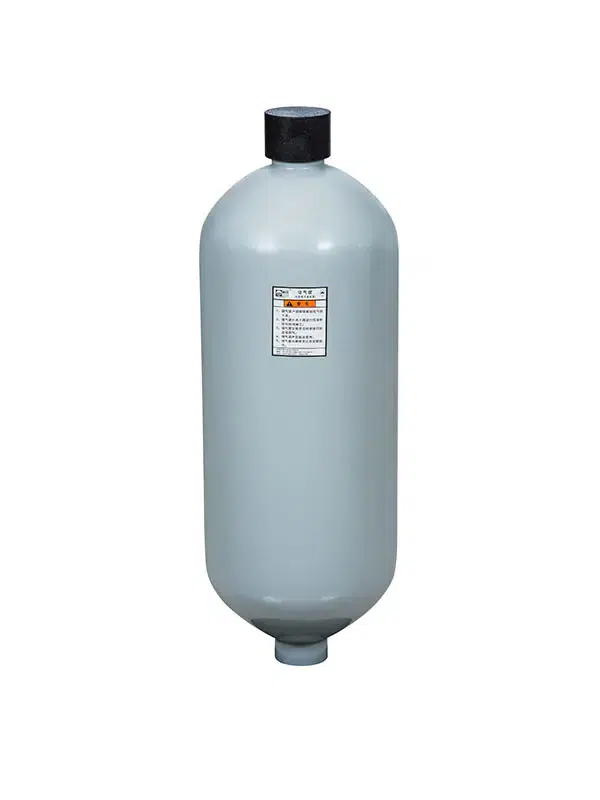
Air conditioning accumulators are primarily used in automotive air conditioning systems. When your air conditioning accumulator stops working, you’ll immediately notice several problems. You might feel the air conditioning cooling effect weaken, hear a clicking sound from the unit, sometimes find oil stains around the accumulator, and smell a musty odor inside the car. Refrigerant leaks may also occur, damaging other components of the system. All of these problems will reduce your driving comfort. Ignoring these issues may require more extensive repairs later.

Key Takeaways
- If your air conditioner is blowing weak air or only warm air, there might be a problem with the coolant reservoir. Address these issues promptly for your comfort.
- If your air conditioner makes a clicking sound when turned on, there may be internal damage. Check for these unusual noises to prevent further problems.
- Oil stains near the coolant reservoir may indicate a leak. Pay attention to these signs to protect other components of your air conditioner.
- If your car smells musty, it may be due to mold growth. Clean your air conditioning system to keep the air inside your car fresh.
- Regular checks and prompt troubleshooting can save you money, or you can have a professional check your air conditioning accumulator to ensure it’s operating efficiently.
Main Effects of a Bad AC Accumulator
Poor Cooling
You might notice that the air conditioning isn’t cooling effectively. This is because the refrigerant tank in the air conditioning accumulator is responsible for refrigerant circulation. If the accumulator malfunctions, causing the tank to become clogged, the refrigerant cannot flow properly, making the system inefficient. Alternatively, you might feel warm air coming out of the vents instead of cold air, and sometimes the air conditioning may even stop working completely. In hot weather, liquid refrigerant may not reach all components, making the air conditioning system more prone to malfunctions and reducing your driving comfort.
Rattling Sounds
When you turn on your air conditioner, you might hear a clicking sound. This sound usually comes from the air conditioner’s accumulator, indicating internal damage or corrosion. A blocked accumulator can damage internal components, and rust inside the unit can also cause a clicking sound. Loose or broken hoses and connectors will exacerbate the noise. These sounds often indicate more serious problems.
If you hear a clicking sound, check your air conditioning system for other problems.
Oil Residue
You might see oil stains near the refrigerant reservoir or under your car. This is caused by a leak due to a blockage in the reservoir, where oil mixes with the refrigerant and leaks out. These signs indicate that your air conditioning system needs repair, and if left unattended, the oil stains could damage other components.
Moldy Smell
You might smell a musty odor inside your car. This is usually coming from the air conditioning vents, as a clogged reservoir can cause moisture to build up, which can then breed bacteria and mold inside the air conditioning system. The smell will be stronger when the air conditioning is turned on, indicating that your air conditioning system needs repair.
Warning Signs of a Bad AC Accumulator
When your air conditioner’s accumulator starts to malfunction, you can notice some signs. Paying attention to these signs can help you detect the problem early and avoid larger repair costs. You don’t need special tools or technical knowledge; just observe, listen, and smell.
Refrigerant Leak Signs
You may notice a refrigerant leak if your AC accumulator goes bad. Look for these signs:
- Oil residue or patches around the accumulator
- Refrigerant leaks under the car or hood
- Rattling noises when the AC is on
- Moldy smell coming from the vents
These signs all indicate that there is a problem.
Weak Airflow
Insufficient airflow is another sign of an air conditioner’s air receiver tank malfunction. You may feel a decrease in the amount of air coming out of the vents, indicating that the air conditioning system is struggling to deliver air effectively. Sometimes, the air conditioner compressor may also malfunction, which could necessitate replacing the air receiver tank.
- Air feels weak or slow from vents
- Cooling takes longer than usual
- AC system does not respond quickly
You should not ignore these signs. Weak airflow makes your drive uncomfortable and can signal bigger issues.
Visible Moisture
Visible moisture is a clear sign of a problem. You might see water stains or damp patches near the hyd accumulator. Excessive moisture promotes the growth of mold and bacteria, leading to a musty smell inside the car. Moisture also means the system is unable to stay dry, which can cause further damage.
- Damp spots around the AC unit
- Water pooling under the car
- Mold growth near vents
If you see moisture, act quickly. Moisture and leaks can harm your AC and make the air unhealthy.
Dealing with AC Accumulator Failure
Accumulator Function
An air conditioner accumulator is an essential component for the normal operation of an air conditioner. It performs several important functions:
- Storing excess refrigerant to prevent the compressor from drawing in too much refrigerant.
- Allowing only gaseous refrigerant to enter, thus protecting the compressor.
- Facilitating lubricant return, ensuring smooth compressor operation.
The accumulator’s role is to prevent liquid refrigerant from entering the compressor. It separates liquid and gaseous refrigerant and allows lubricant to return to the compressor. Inside the accumulator is a U-shaped tube with a small hole at the bottom. Because lubricant is heavier than liquid refrigerant, this hole collects the lubricant. The accumulator works similarly to a separator. Liquid refrigerant remains at the bottom, while gaseous refrigerant returns to the compressor. This protects your air conditioning system from damage.
Tip: If you find ice or water stains on the accumulator, it indicates that your air conditioning system may not be properly separating refrigerant.
Why Symptoms Occur
Several signs will appear when an air conditioning accumulator malfunctions. These include problems such as insufficient oil, blowing hot air, and bearing wear. In cold weather, lubricating oil may leak. While removing the accumulator helps the lubricating oil return, it can also allow liquid to enter the compressor and cause damage.
A damaged air conditioning accumulator cannot control the flow of refrigerant. Liquid refrigerant may enter the compressor and cause damage. Too much or too little refrigerant will increase the load on the accumulator. System leaks will cause pressure changes, which will affect the operation of the air conditioning accumulator. These problems can lead to poor air conditioning performance, unusual noises, oil stains, and a musty smell.
If these problems are not addressed promptly, the air conditioning condition will worsen. You may feel weak airflow, see damp patches, or find ice forming on the accumulator. These signs indicate that your air conditioning system needs to be checked.
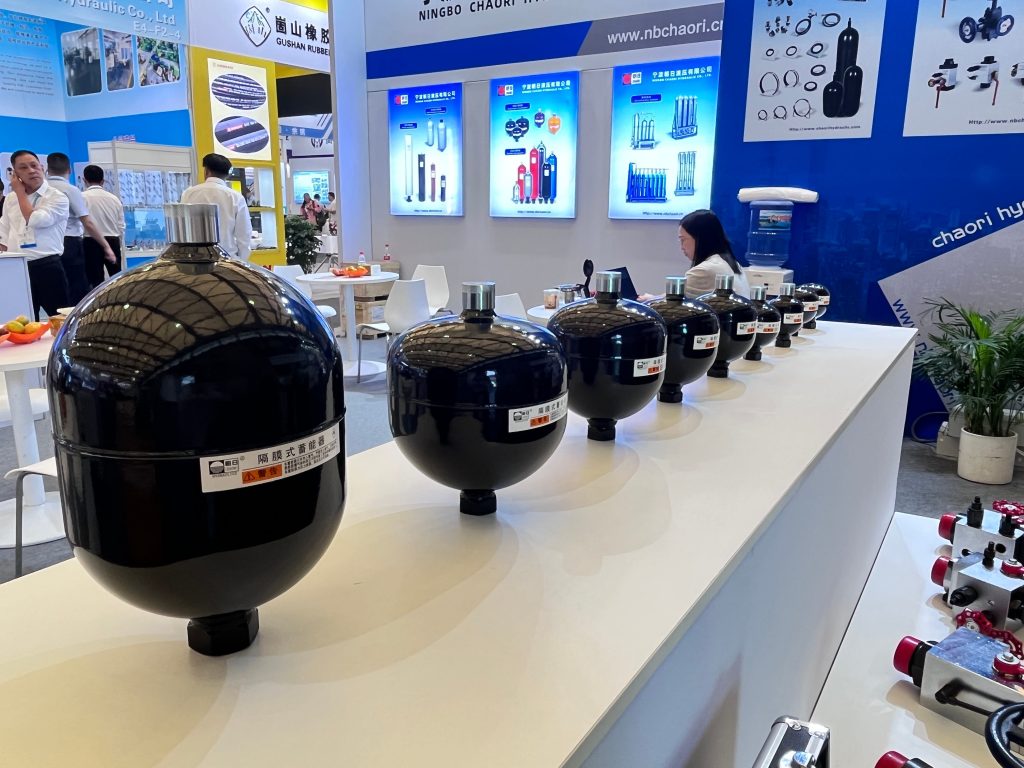
Note: Accumulators manufactured by Ningbo Chaori Hydraulics can effectively solve these problems, ensuring the safe operation of your air conditioning system.
Recommended Action Steps to Address a Bad AC Accumulator
Repair or Replace
You should act fast if you see a/c problems. Quick action stops bigger issues in your air conditioning. Do not try to fix the hvac yourself unless you know how. Getting help from a professional keeps you safe and your car protected.
Here are steps to handle a/c failure:
- Get regular checks from a trained technician. Routine checks find problems early.
- Clean or change the filter inside. This helps refrigerant move and stops clogs.
- Watch refrigerant levels. Low levels cause weak cooling and cycling.
- Look for leaks. Technicians use tools to spot and fix leaks.
- Check for moisture and dirt. Moisture lets mold and bacteria grow.
- Look at the accumulator valve and suction line. These parts must work right for good refrigerant flow.
- Stop freeze-up. Watch for ice, especially when it is cold.
- Check system pressures. Bad pressures mean trouble.
- Get regular service from experts. Professionals find and fix hidden problems.
Tip: Always turn off all power before working on your a/c. Wait 5-10 minutes for the system to discharge. Use a voltage tester to check for leftover charge.
Next Steps
After fixing or changing the bad part, follow these steps to keep your hvac working well:
- Turn power back on carefully. Check for loose wires before starting the system.
- Test the a/c to see if cooling and airflow are normal.
- Watch for signs of trouble, like weak air or strange smells.
- Keep a log of repairs and checks. Write down what was fixed for later.
- Get follow-up checks from your technician. Regular service stops future problems.
Acting fast keeps you comfortable and safe. Professional help makes sure your a/c works and stays healthy.
FAQ
What does an AC accumulator do?
You find the AC accumulator in your car’s air conditioning system. It stores extra refrigerant and removes moisture. It also protects the compressor from damage.
How do I know if my AC accumulator is bad?
- You feel weak cooling.
- You hear rattling sounds.
- You see oil stains.
- You smell moldy odors.
Tip: Check for these signs often to catch problems early.
Can I drive with a bad AC accumulator?
You can continue driving, but doing so may damage the air conditioning system, and you may also inhale unhealthy air. Please resolve the issue as soon as possible to avoid further damage.
How much does it cost to replace an AC accumulator?
The cost depends on your car and where you live. Most repairs range from $100 to $300. Ask a professional for an exact price.