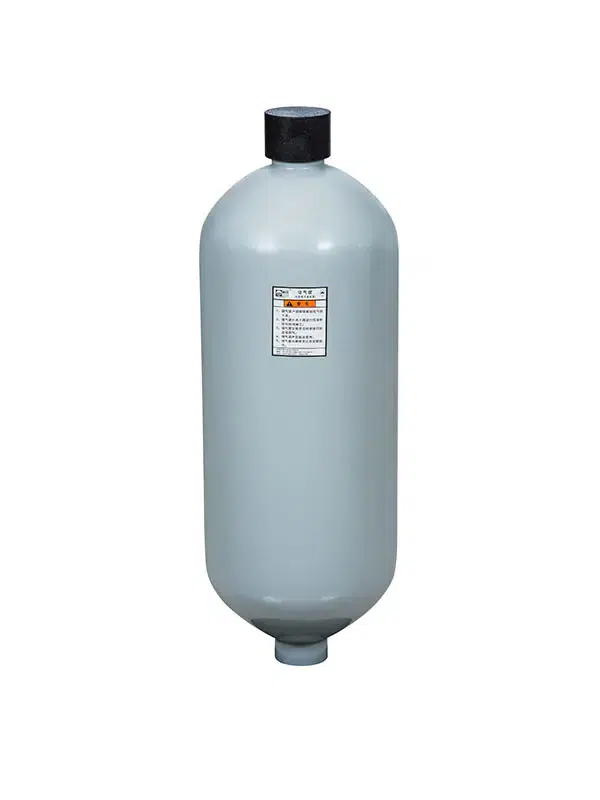
In hydraulic systems, hydraulic accumulators primarily serve to store energy and maintain system pressure stability. Their internal structure typically features a diaphragm that separates the pressurized hydraulic fluid from a pre-charged gas; this diaphragm effectively prevents the mixing of the fluid and gas, thereby ensuring the efficient storage of energy. Through this design, the accumulator is able to rapidly release or absorb hydraulic energy in response to fluctuations in system load or flow, thereby ensuring continuous and stable system operation while enhancing overall response performance and reliability.
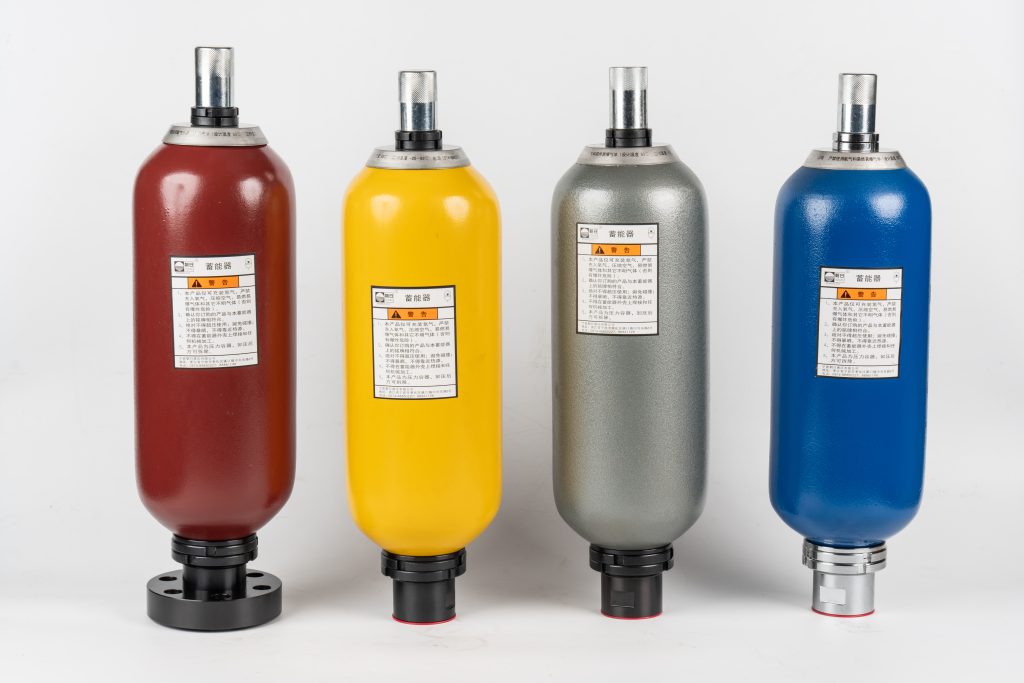
Key Takeaways
- Hydraulic accumulators are used to store energy within hydraulic systems. Functioning much like a “battery” in a fluid power system, they maintain pressure stability and provide backup power when needed.
- Regularly inspecting hydraulic accumulators for leaks, low pressure, or component damage is crucial; this helps ensure the safe and efficient operation of your system.
- Hydraulic accumulators must be charged with nitrogen gas. Nitrogen not only prevents internal corrosion but also allows for the safe storage of energy, whereas the use of other gases could pose a safety hazard.
- Hydraulic accumulators come in a wide variety of designs, primarily categorized into three types: bladder, piston, and diaphragm. Each type is suited for specific applications; therefore, it is essential to select the appropriate accumulator based on the specific requirements of your system.
- Safety auxiliary devices—such as relief valves and pressure gauges—are equally vital. They not only enhance the overall reliability of the hydraulic system but also effectively protect it from damage caused by excessive pressure.
Hydraulic accumulator basics
Definition and purpose
A hydraulic accumulator is used to store energy within your hydraulic system. Its operating principle is analogous to that of a battery, but applied to fluid power. This device is capable of storing hydraulic fluid under pressure; when the system requires additional power or needs to maintain stable pressure, the accumulator releases the fluid, absorbs shocks, and stabilizes system pressure. Furthermore, it can provide backup power in the event that the hydraulic pump ceases operation. Additionally, the accumulator helps maintain pressure stability during sudden fluctuations in fluid flow, thereby ensuring the system operates correctly, accommodating the effects of thermal expansion, and preventing damage to the system caused by temperature variations.
Tip: Consider the hydraulic accumulator as a “safety net” for your hydraulic system. It maintains the system’s equilibrium and ensures that the system remains in a constant state of readiness.
Main components
A hydraulic accumulator has several important parts. Each part helps the device work:
| Component | Function |
|---|---|
| Shell/Body | Keeps hydraulic fluid and gas safe |
| Bladder/Piston/Diaphragm | Keeps fluid and gas apart |
| Hydraulic Port | Lets fluid move in and out |
| Gas Port | Lets you add nitrogen |
Nitrogen use
Accumulators require nitrogen to fill the gas side because nitrogen is safe, reliable, non-corrosive, and does not chemically react with hydraulic fluid. When hydraulic fluid flows into the accumulator, the internal nitrogen is compressed, thereby storing energy. Subsequently, when the system requires additional power or needs to maintain stable pressure, the nitrogen pushes the hydraulic fluid back into the system. Furthermore, nitrogen helps the accumulator mitigate sudden pressure drops and absorb shock and vibration, thereby ensuring the safe and reliable operation of the hydraulic system.
Note: It is imperative to use nitrogen to charge hydraulic accumulators. The use of other gases may pose safety hazards or cause damage.
Types of hydraulic accumulators
Hydraulic accumulators come in a wide variety of types; you should select the one best suited to the specific requirements of your own system. The primary types include bladder accumulators, piston accumulators, and diaphragm accumulators; each type operates based on a unique working principle and is suitable for specific application scenarios.
Bladder accumulator
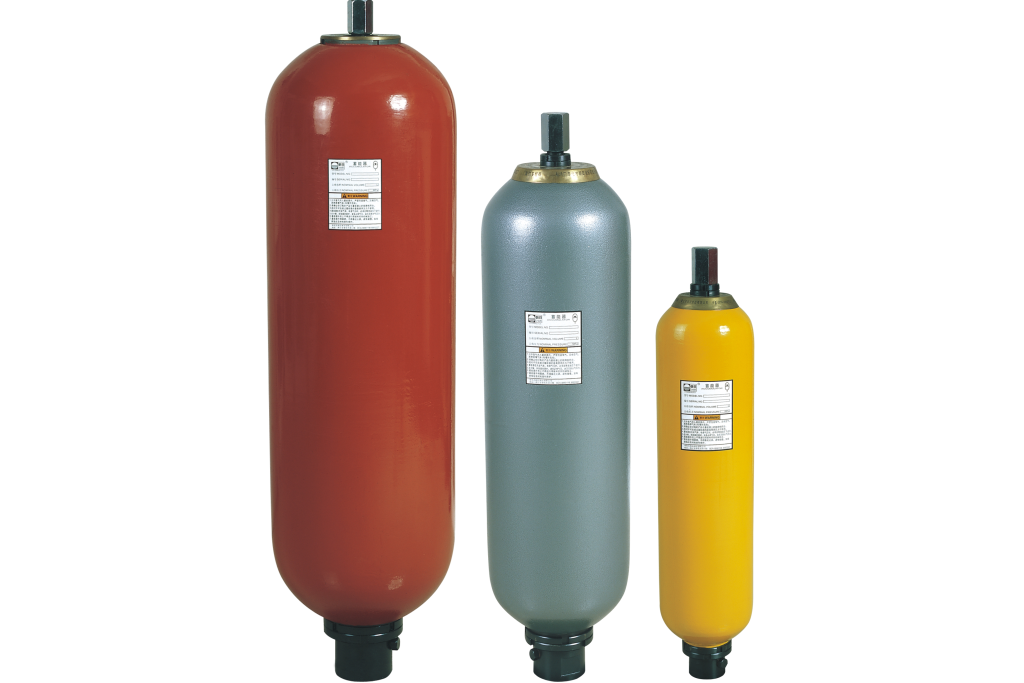
When you require rapid response and effective shock control, a bladder accumulator is the ideal choice. It consists of a robust outer shell enclosing a flexible internal bladder, which serves to isolate the gas from the hydraulic fluid; as fluid is injected, the bladder is compressed, thereby storing energy. Bladder accumulators are commonly utilized in construction machinery, mobile equipment, and automotive suspension systems.
| Feature | Description |
|---|---|
| Response Time | Very fast |
| Shock Absorption | Excellent |
| Maintenance | Easy bladder replacement |
| Weight | Lightweight, good for mobile use |
| Installation | Any angle |
Tip: Ningbo Chaori Hydraulic makes bladder accumulators you can change for pressure and size. This helps you get what your system needs. These products are safe and high quality because they meet ISO9001, ASME, and CE rules.
Piston accumulator
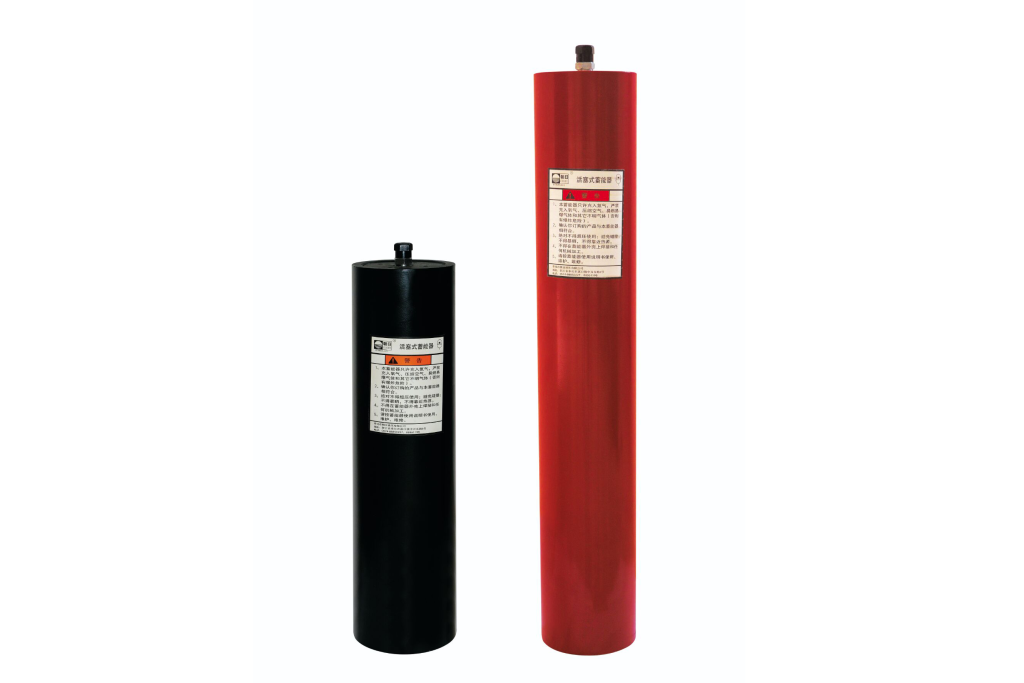
Piston accumulators are specifically engineered for operation under demanding conditions. Internally, they feature a piston that serves to isolate the gas from the fluid; as fluid flows in or out, the piston moves accordingly. Capable of withstanding extremely high pressures and accommodating large fluid volumes, piston accumulators are commonly found in large-scale industrial facilities and in applications where exceptional pressure stability is paramount.
Ningbo Chaori Hydraulic is dedicated to offering you a diverse range of piston accumulator options, enabling you to precisely match your specific operational requirements. We are committed to delivering outstanding performance results and products of uncompromising safety and reliability.
Diaphragm accumulator
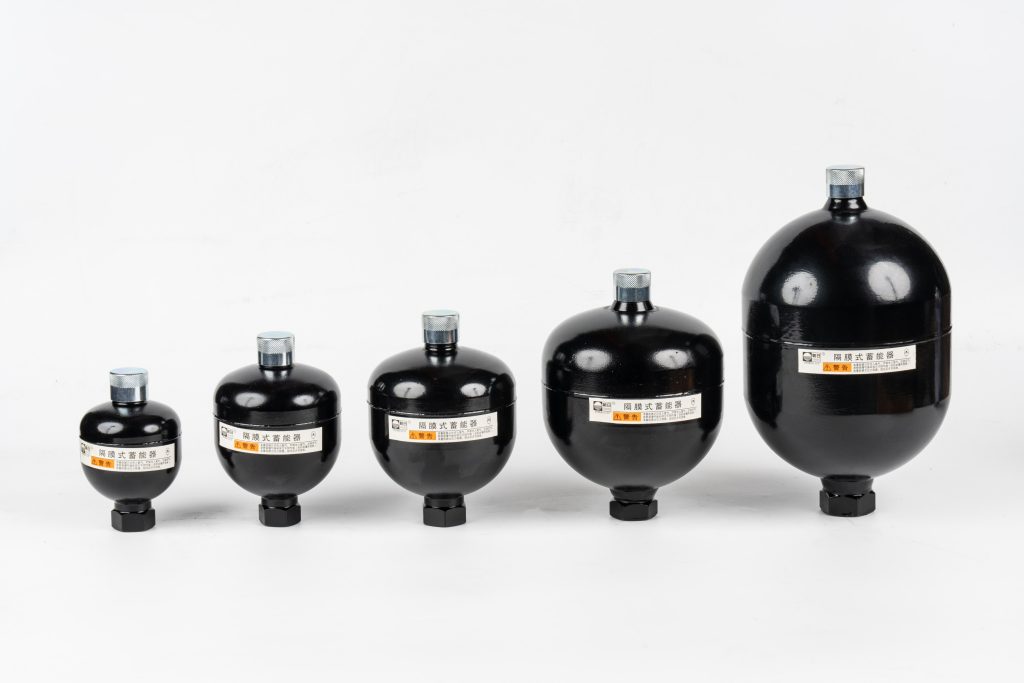
When installation space is limited, a diaphragm accumulator is your ideal choice. Compact and lightweight, the diaphragm accumulator features an internal diaphragm that effectively separates the gas from the fluid, making it particularly well-suited for miniature hydraulic systems and various types of mobile machinery.
Note: Ningbo Asahi’s diaphragm accumulators offer exceptional performance and are easy to install. You are free to select the specific specifications and pressure ratings that best suit your actual requirements. We guarantee that all our products are safe, reliable, and strictly compliant with various international standards and regulatory requirements, including ISO9001, ASME, and CE.
Selecting the right hydraulic accumulator hinges on carefully considering the specific requirements of your system. Ningbo Asahi Hydraulics offers a diverse range of options—premium products that have undergone rigorous testing to ensure safety and reliability.
Key Functions and Major Benefits of Hydraulic Accumulators
Energy storage
A hydraulic accumulator stores energy in your hydraulic system. It works like a battery, but for fluid power. When the pump is running, it fills the accumulator with pressurized fluid. Later, the stored energy helps the system if the pump stops. This makes energy storage better in a few ways:
- The accumulator keeps pressure steady, even if the pump is off.
- It helps stop vibrations and shaking, so sensors work better.
- It controls pressure drops and thermal expansion, keeping things safe.
Many machines use accumulators to save energy. These systems collect energy when things slow down or loads get lighter. You save energy because the accumulator gives back power when the system is busy.
Pressure stabilization
Hydraulic systems need steady pressure to work well. A hydraulic accumulator helps keep pressure stable. It takes in shock loads and helps when pressure drops. This keeps the system running smoothly. Here are some main benefits:
- Takes in shock loads and softens sudden pressure spikes.
- Helps with pressure drops, so the system does not stop.
- Reduces wear on parts, so they last longer.
- Gives extra fluid flow when the system needs it most.
Tip: Using an accumulator means you do not need a bigger pump or motor for short times when you need more power.
Vibration and shock absorption
Machines can make noise and shake when they work. A hydraulic accumulator helps lower these problems. It stores energy and calms down fluid pulses. This makes the system quieter and protects parts like gauges and sensors. You get smoother work and less chance of damage from sudden shocks.
Thermal compensation
When the temperature changes, fluid can get bigger or smaller. This can make pressure unsafe. A hydraulic accumulator helps by:
- Letting the fluid change size when it gets hotter or colder.
- Keeping pressure steady when the temperature goes up or down.
- Stopping damage from pressure spikes caused by heat.
You can count on an accumulator to protect your system from problems caused by temperature changes. It keeps your hydraulic circuit safe and working well, even if the weather or job changes.
Common Applications and Industry Use Cases of Hydraulic Accumulators
Industrial uses
Hydraulic accumulators are used in many factories and plants. They help store energy for fast moves by big machines. Accumulators keep pressure steady, even if there are leaks. They protect equipment from damage caused by sudden pressure spikes. The accumulator also makes machines run smoother by reducing pressure changes. Ningbo Chaori Hydraulic has helped many companies with strong and reliable accumulators.
Tip: Add an accumulator to your system to keep machines safe and smooth.
Mobile machinery
Accumulators are found in machines like excavators, loaders, and cranes. These machines need quick and strong movements. The accumulator gives extra force to lift or move heavy things. It also takes in shocks when the machine goes over rough ground. You can use a bladder or diaphragm type for fast response and less weight. Ningbo Chaori Hydraulic has options for many mobile machines. You can pick the right size and pressure for your job.
Construction and agriculture
Accumulators help make construction and farming work easier and safer. In construction, they help with lifting, digging, and moving things. In farming, they keep tractors and harvesters working well. The accumulator stores energy so machines can handle sudden load changes. It also protects the system from shocks and keeps pressure steady. Ningbo Chaori Hydraulic makes products that work well outdoors. Their accumulators last long and perform well in the field.
Note: Accumulators are often near hydraulic pumps, cylinders, and control valves in these machines.
Maintenance and safety
Routine inspection
You should inspect the hydraulic accumulator regularly. Carefully examine its exterior for any leaks or cracks, check all components for signs of wear, and use a pressure gauge to verify that the current pressure meets the system’s operational requirements. Additionally, please clean the ports and pipe fittings to prevent contaminants from entering the system. It is essential to document the details of every inspection; this practice facilitates the early detection of potential faults, thereby ensuring that the system remains in optimal working condition at all times.
Tip: It is recommended that you inspect the accumulator once a month. This helps ensure the safe and proper operation of the equipment.
Common issues
Hydraulic accumulators are susceptible to various malfunctions. Occasionally, the internal bladder may become damaged; you might observe low pressure or fluid leakage, or experience nitrogen loss on the gas side, ultimately causing the accumulator to cease functioning. Furthermore, you may hear unusual noises or notice sluggish response times. Should you detect any of these signs, it is imperative that you inspect the accumulator immediately.
| Issue | What to Look For | Solution |
|---|---|---|
| Low Pressure | Pressure gauge reading low | Use nitrogen charging kit |
| Fluid Leak | Oil around ports | Replace seals |
| Damaged Bladder | Poor shock absorption | Change bladder |
| Strange Noise | Unusual sounds | Inspect for damage |
Safety Precautions for Hydraulic Accumulators
When operating hydraulic accumulators, please wear gloves and safety goggles to ensure proper personal protection. It is mandatory to strictly adhere to all relevant safety regulations. Furthermore, you must always equip the system with a safety relief valve to mitigate the risks associated with high pressure. Please ensure that the accumulator you utilize holds certifications such as ISO9001, ASME, and CE—credentials that signify the product’s reliable safety and superior performance.
Note: Ningbo Chaori Hydraulic offers nitrogen charging kits and safety relief valves designed to help maintain your hydraulic system in a safe and efficient operating state.
By observing the measures outlined above, you can effectively safeguard both your equipment and your personal safety. Through regular inspections and the use of appropriate safety tools, your hydraulic system will achieve enhanced operational performance and more robust safety assurance.
FAQ
What gas should you use in a hydraulic accumulator?
You must use nitrogen! Nitrogen is compatible with hydraulic oil and is safe; it will not cause any problems. Never use oxygen or any other gas!
How often should you check your accumulator?
Inspect the accumulator once a month. Pay particular attention to signs of leakage or low pressure, and check whether any components show signs of aging or damage. Regular inspections help you detect issues early.
Can you customize a hydraulic accumulator for your system?
Yes, you can select the appropriate size and pressure rating to suit your specific requirements. Ningbo Chaori Hydraulic offers a wide and diverse range of product options designed to provide you with comprehensive support, allowing you to choose the product type best suited to your specific operating conditions.
Where do you usually install a hydraulic accumulator?
Most accumulators are typically installed in close proximity to the hydraulic pump or hydraulic cylinder, while some are positioned next to the control valve. This arrangement facilitates energy storage and shock absorption, while simultaneously helping to maintain system pressure stability.
What safety tools do you need for an accumulator?
It is essential to use these devices in conjunction with a safety relief valve and a pressure gauge. These safety devices effectively protect both you and your equipment from the hazards associated with high pressure, while also assisting you in monitoring the system’s operational status to ensure it remains in a healthy and optimal working condition.