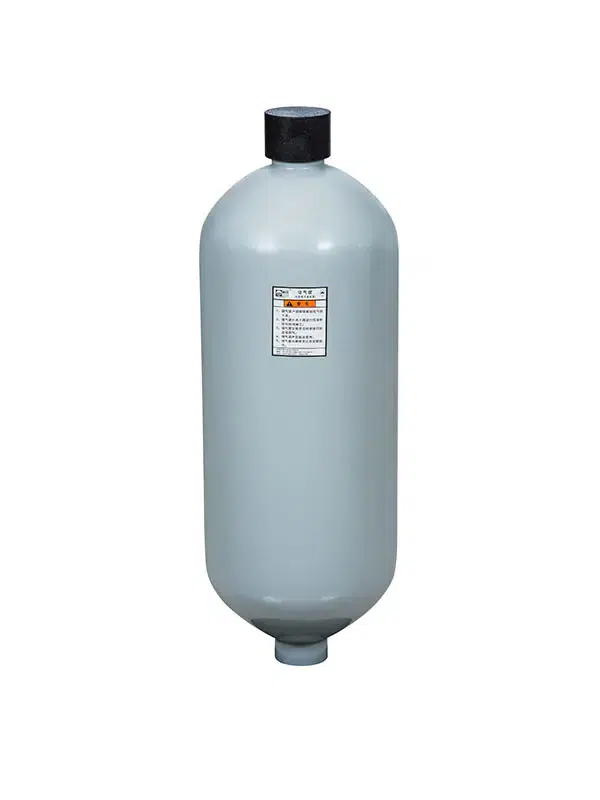

Hydraulic accumulators store pressurized fluid energy by means of compressed nitrogen gas, springs or heavy-duty pistons. Properly sized accumulators assist hydraulic pumps by delivering extra flow during peak operating cycles. These components effectively absorb hydraulic shock and maintain stable holding pressure. The stored energy improves overall machine performance; under test conditions, the system can reach a total energy efficiency of 87.7%.
Key Takeaways
- Accumulator pressure gives extra fluid power during busy work periods and electrical power outages.
- Gas-filled accumulators soak up dangerous pressure spikes and safely stop costly damage to machines.
- Saved liquid energy keeps a strong holding grip and cuts power use by letting primary pumps turn off.
Energy Storage in Hydraulic Accumulators

Supplementing Flow During Peak Demand
When system load stays low, main pumps charge excess hydraulic energy into accumulators. The unit instantly releases pressurized fluid whenever machinery requires sudden high flow. Thanks to this supplementary supply, design engineers can select smaller main pumps. As a result, industrial facilities consume less power while maintaining full output during heavy-duty cycles.
Factory machinery requires adequate fluid volume for smooth heavy-load operation. Trusted manufacturers such as Ningbo Chaori provide custom-built units for rugged industrial equipment. Large machines like molding presses rely on accumulators to supply instant high flow and maintain stable pressure.
| Application context | Required volume / pressure range | Accumulator capacity |
|---|---|---|
| Sizing example: deliver 0.5 gal usable fluid | 0.5 gal between 1,000 and 3,000 psi | 0.75 gal total |
| Press needing rapid high flow | 2 gal between 1,500 and 3,000 psi | 4 gal total |
Providing Emergency Back-Up Power
Power outages create severe safety risks for production equipment and on-site operators. During unexpected blackouts, stored hydraulic fluid acts as reliable backup power. This reserve energy quickly closes safety valves to protect the whole circuit. Pressurized fluid can also open critical molds, preventing expensive equipment from catastrophic damage and prolonged downtime.
Reserved fluid enables fast response if plant power cuts out abruptly. Locally available stored pressure shortens emergency reaction time. Factories worldwide depend on high-quality hydraulic accumulators from reputable suppliers to sustain safe machine operation.
Shock Absorption in Industrial Accumulators
Dampening System Shock and Water Hammer
Rapid valve closure brings moving fluid inside rigid piping to an immediate halt. This abrupt stop generates hazardous pressure spikes within hydraulic circuits. Gas-filled accumulators absorb line shock effectively by compressing nitrogen gas during pressure surges. Compressed nitrogen cushions sudden pressure rises and reduces pump noise. This rapid gas compression protects sensitive sensors and extends overall machine service life.
Uncontrolled shock waves induce heavy mechanical stress and cause premature component failure. Stopping oil flowing at 1 m/s inside steel pipe creates roughly 10 bar pressure surge. If fluid travelling at 4 m/s is suddenly blocked, pressure can jump by around 40 bar.
| System Condition | Observed Pressure Behavior |
|---|---|
| Without shock absorption | Spikes reach 2–4 times normal working pressure in milliseconds. A 210 bar press circuit can briefly reach 400 bar or more. |
| With shock absorption | Bladder accumulators precharged to 80–90% of minimum working pressure absorb the wave near the shock source. |
Compensating for Thermal Expansion
Exposure to sunlight and continuous machine operation heats trapped fluid inside closed hydraulic circuits. Rising fluid temperature causes volume expansion and pushes system pressure upward. Bladder and piston accumulators safely accommodate extra fluid volume to stabilize operating pressure. Correctly sized units absorb volumetric expansion without exceeding safe design limits. Stable pressure control prevents fluid leakage, burst hoses and valve failure.
Heavy-duty equipment widely uses these energy storage units for industrial applications. Typical use cases include pitch control on wind turbines, vibration damping for construction and agricultural machinery, and large hydraulic presses. Accumulators protect costly components from wear caused by temperature fluctuation and repetitive working cycles.
Maintaining Accumulator Pressure and Fluid Control
Compensating for Internal System Leakage
Hydraulic systems experience minor internal fluid leakage across valve clearances during continuous heavy operation. Gradual internal leakage slowly reduces system pressure over extended runtime. Holding capacity weakens as oil seeps through sealing gaps.
Hydraulic accumulators automatically replenish fluid lost to leakage. Maintenance crews keep accumulator pressure stable by following standard plant service schedules.
| Service item | Recommended practice |
|---|---|
| Nitrogen precharge check interval | Every 6 to 12 months |
| Gas type | Dry nitrogen only |
| Pre-check condition | Depressurize hydraulic side fully |
Technicians carry out these routine checks to avoid unexpected pressure loss. Accurate nitrogen precharge settings keep equipment ready for long production runs. Service teams follow strict safety procedures. All hydraulic pressure must be released before nitrogen pressure testing to protect operators.
Maintaining Static Holding Pressure
Industrial clamping fixtures require consistent force during long holding cycles. Main pumps can shut down during these stationary periods to reduce heat buildup and save electricity. Stopping the main pump avoids fluid overheating and reduces wear on pump internal parts.
Stored energy carries steady load while main pumps remain idle. Reserved hydraulic fluid maintains constant clamping force on workpieces until the next active cycle begins.
| Circuit configuration | Pressure stability tolerance |
|---|---|
| Passive accumulator bank | ±5–10% |
| Proportional pressure relief valve | ±1–2% |
| Pressure-compensated pump | ±3–5% |
| Counterbalance valve + small accumulator | ±10–15% |
Engineers select suitable control setups to meet required stability standards. Maintaining proper accumulator precharge pressure delivers reliable static holding force. Accumulators safeguard expensive machine components against abrupt load variation.
Correct accumulator pressure settings cut energy consumption and protect heavy machinery. Well-structured maintenance regimes can extend hydraulic breaker service life by 25–30%. Quality accessories including nitrogen charging kits and safety valve blocks support long-term pressure stability. These essential tools prevent unexpected system breakdowns and prolong overall equipment lifespan.
FAQ
How do technicians measure nitrogen precharge levels?
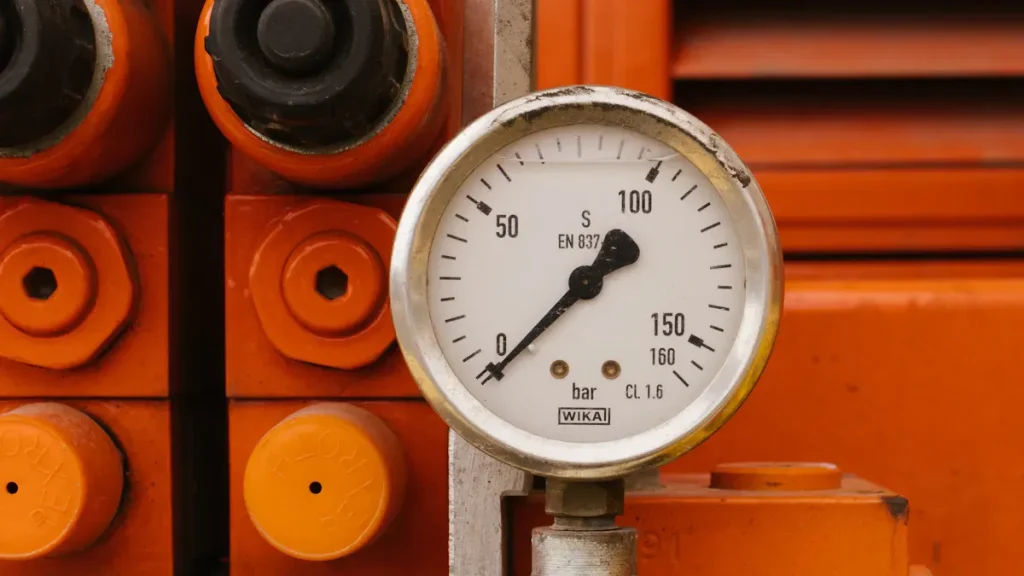
Workers attach special nitrogen filling tools right onto the gas valve. They read the precharge level on a calibrated pressure gauge while the hydraulic side stays at zero pressure.
Why do hydraulic systems need proper accumulator pressure?
Correct accumulator pressure stops dangerous system shock waves. It adds extra oil flow during heavy peak work cycles and keeps important backup energy ready for sudden power blackouts.
Which industry standards certify quality hydraulic accumulators?
Top makers build dependable accumulators under strict international quality standards. Modern factories hold official certificates like ISO9001, ASME, and CE for safe high-pressure operations.