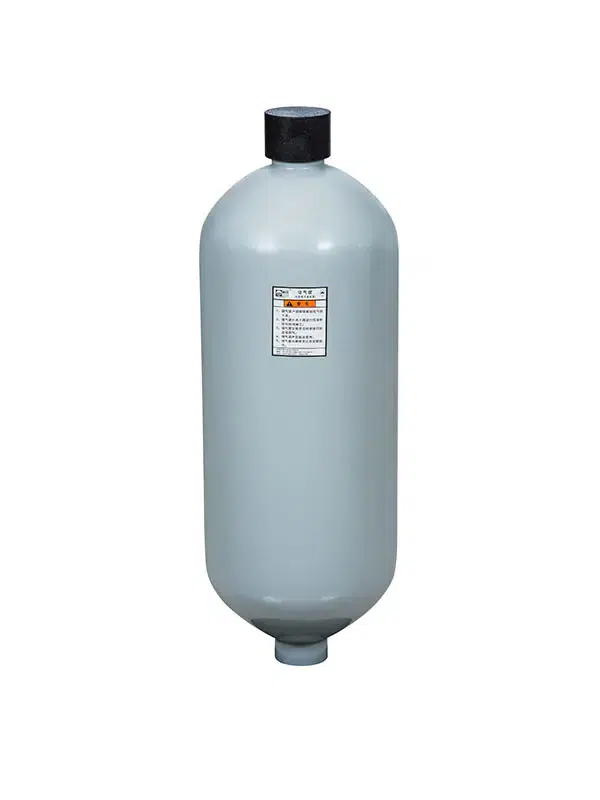
When evaluating industrial fluid power systems, understanding the expected life span of a hydraulic accumulator is essential for facility planning and preventive maintenance schedules. Typically, industrial accumulators operate effectively for 5 to 20 years, depending on the specific design variant, operating duty cycles, and maintenance rigor. Sourcing reliable components like a certified Chaori hydraulic accumulator ensures high manufacturing quality and dependable structural performance. (Brand Disclosure Note: Chaori products are referenced herein as engineering examples manufactured under recognized industry guidelines.) Proper routine checks and proactive maintenance significantly protect your investment and extend operational lifespan.

Key Takeaways
- Accumulators can operate for 5 to 20 years, with lifespan heavily influenced by design type and ongoing maintenance routines.
- Selecting certified accumulators, such as Chaori units backed by ISO9001 and ASME standards, provides enhanced manufacturing quality.
- Routine maintenance is vital; daily leak checks and regular pressure testing prevent major component failures.
- Piston accumulators typically offer longer operating lifespans compared to diaphragm types, which experience faster elastomer wear.
- Monitoring for pressure irregularities and fluid leakage enables early problem identification and cost-effective repairs.
Accumulators Life Expectancy Overview
Typical Lifespan Ranges
Hydraulic accumulators provide years of reliable service when maintained according to engineering best practices. However, expected service life varies by type and application intensity:
- Bladder accumulators: 10–20 years with proper monitoring and care.
- Piston accumulators: 10–20 years with regular seal checks and clean fluid.
- Diaphragm accumulators: Experience faster wear on flexible membranes due to continuous flexing.
- Agricultural accumulators: Typically achieve 5 to 7 years due to heavy duty cycles and harsh environmental exposure.
Piston variants leverage robust metallic construction for extended durability, whereas bladder and diaphragm types require vigilant seal oversight. Utilizing certified equipment from trusted manufacturers provides robust materials that enhance overall system reliability.
Factors That Influence Life Expectancy
Multiple operational variables impact how long a pressure vessel remains viable:
- Number of cycles: High-frequency expansion and contraction cycles accelerate internal wear.
- Temperature: Severe thermal extremes degrade elastomeric seals and bladders.
- Pressure ratio: Operating near maximum structural pressure ratios places excessive mechanical stress on components.
- Regular maintenance: Consistent pre-charge testing and prompt seal replacements preserve baseline functionality.
Common failure triggers include pre-charge issues, pressure loss, erratic system behavior, particulate contamination, and temperature extremes.
| Cause of Failure | Explanation |
| Precharge Problems | Trouble with precharge can cause downtime and damage in hydraulic systems. |
| Pressure Loss | Fast pressure loss indicates leaks or seal damage, whereas slow loss can be normal. |
| Erratic System Behavior | Strange pressure changes often signal underlying precharge issues. |
| Contamination | Dirt and debris accelerate part wear, causing seals and bladders to break early. |
| Temperature Extremes | Very hot or cold conditions break down seals and bladders, leading to failure. |
Choosing hardware backed by recognized credentials—such as ISO9001 for quality assurance, ASME for structural safety, and CE for European compliance—validates manufacturing integrity. For instance, Chaori accumulators incorporate these certifications to ensure safety and longevity.
Hydraulic Accumulator Types and Durability
Bladder, Piston, and Diaphragm Accumulators
Selecting the correct accumulator design depends heavily on the specific hydraulic demands of your circuit:
- Bladder Accumulators: Ideal for rapid response and dampening high-frequency pressure shocks, though high cycle rates can shorten elastomer life.
- Diaphragm Accumulators: Well-suited for high-cycle applications where compact, repetitive action is required without rapid degradation.
- Piston Accumulators: Engineered for heavy-duty industrial, mining, and construction sectors where high pressure and large fluid volumes are standard.
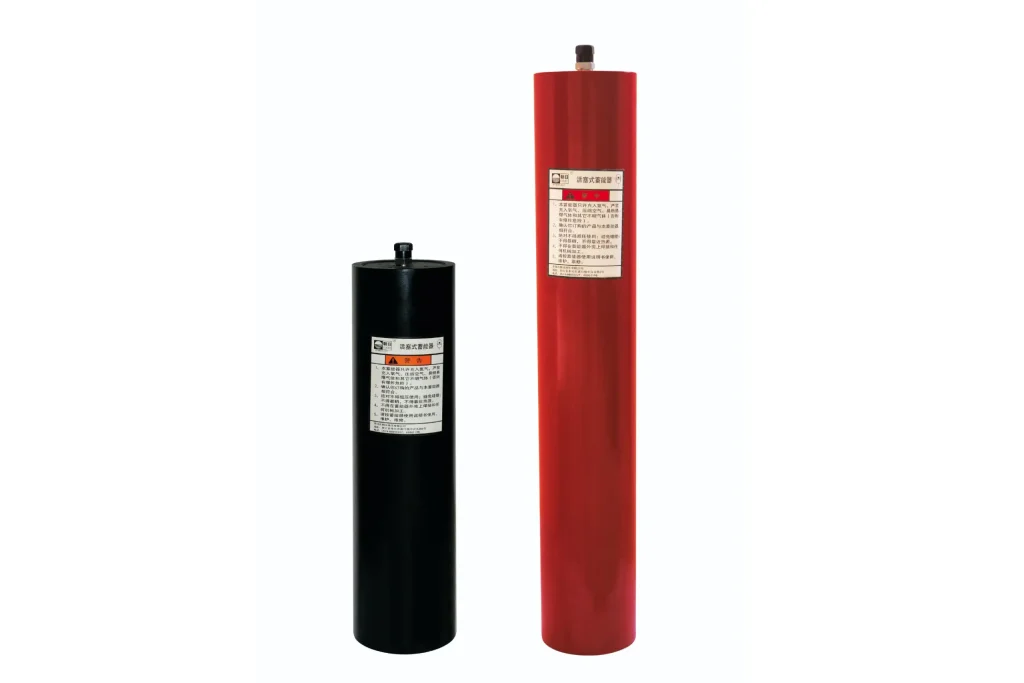
Engineering build quality dictates both durability and maintenance intervals. Key design considerations include material selection, structural stress management, and rigid mounting methodologies that mitigate vibration-induced seal failures. Advanced designs target operational thresholds exceeding 10,000 hours. Maintaining correct pre-charge pressure prevents excessive elastomer fatigue; balancing working pressure with pre-charge levels can extend unit durability by over 30% while optimizing energy efficiency. Chaori integrates high-grade materials and optimized designs to help maximize equipment service life.
How to Maximize Accumulator Life Expectancy
Routine Maintenance Protocols
Proactive maintenance prevents catastrophic downtime and premature failure. Maintenance teams should follow a structured inspection cadence:
- Daily: Look for leaks, strange sounds, heat, and check fluid levels.
- Weekly: Check filters, ensure connections are tight, and see if fluid is clean.
- Monthly: Change filters, look for leaks, and test the pressure.
- Quarterly: Test the fluid, check pressure, and look at the seals.
Checking gas valves every 3 to 6 months and hoses semi-annually ensures system integrity. Always use certified parts and tools for your accumulator. Good accessories, like Chaori nitrogen charging kits, help keep the right pre-charge pressure.
⚠️ SAFETY WARNING: Always completely bleed system pressure and ensure a zero-energy state before executing any maintenance, charging, or component replacement tasks to prevent high-pressure injury.
Repair, Replacement, and Lifecycle Comparison
When to Repair or Replace Accumulators
Operators must recognize key warning signs indicating component failure, including unexplained pressure fluctuations, sluggish actuator response, unusual mechanical knocking, system overheating, external fluid leakage, or rising energy consumption without increased output. Minor issues can often be resolved via component overhauls, such as replacing worn seals or elastomer bladders. However, structural shell damage like cracking mandates immediate total replacement.
| Item | Cost (SAR) |
| New bladder kit | 1,500 |
| New accumulator | 4,500 |
| Specialized labor | 1,000 – 2,000 |
| Total repair cost | Up to 4,500 |
When repair costs approach unit replacement value, purchasing a new certified vessel is the most cost-effective decision. Compared to chemical batteries, hydraulic accumulators offer vastly superior operational lifespans when properly maintained—often lasting up to 20 years. While diaphragm units fail via membrane rupture requiring complete replacement, piston units allow for modular seal repairs.
FAQ
How does a hydraulic accumulator store energy in a fluid system?
An accumulator stores hydraulic energy by compressing an inert gas behind a bladder, piston, or diaphragm, keeping pressurized fluid ready for rapid system demands.
What is the primary difference between bladder and piston accumulators?
Bladder accumulators utilize a flexible elastomer membrane for fast response and shock absorption, whereas piston accumulators use a solid sliding piston ideal for high-pressure industrial and mobile applications.
How does proper pre-charging affect accumulator service life?
Maintaining correct gas pre-charge pressure prevents excessive stretching or bottoming out of internal elastomeric components, directly reducing mechanical wear and extending operational durability.
Why is hydraulic fluid cleanliness critical for accumulator health?
Clean hydraulic fluid prevents abrasive particulates from scoring internal cylinder walls, damaging piston seals, or puncturing flexible bladders, thereby avoiding premature failure.
How do you determine whether to repair or replace a damaged accumulator?
Minor seal or bladder wear can be resolved with repair kits, but structural shell damage, deep corrosion, or extensive fatigue requires complete unit replacement for safety.