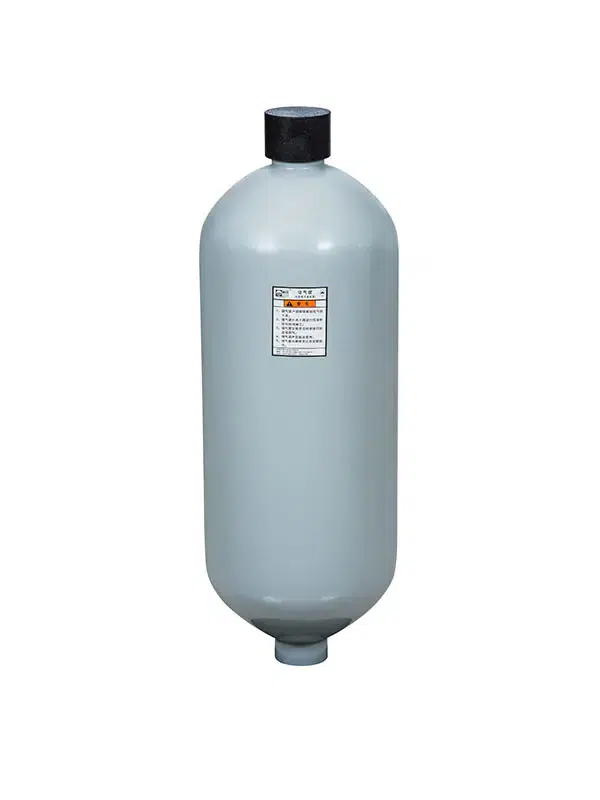
In aircraft hydraulic systems, accumulators store energy for future use, maintaining stable pressure and absorbing shocks throughout the entire flight. Their importance is evident when supporting the operation of the landing gear and braking systems; moreover, they prove invaluable in emergency situations. The table below highlights how accumulators enhance the reliability and safety of aircraft hydraulic systems:
| Contribution of Accumulators | Description |
|---|---|
| Stored Energy | Provides backup energy to essential systems in case of failure. |
| Pressure Stabilization | Maintains consistent hydraulic pressure and prevents fluctuations. |
| Shock Absorption | Protects the aircraft by absorbing shocks during landing. |
| Reliability Improvement | Reduces hydraulic failures when properly maintained. |
Key Takeaways
- Accumulators store energy by holding pressurized fluid. They provide backup power for critical systems—such as landing gear and brakes—and help stabilize hydraulic pressure, thereby preventing system failures caused by pressure fluctuations during flight.
- Furthermore, accumulators absorb shocks and vibrations; this not only enhances flight smoothness but also serves to protect vital components.
- Regular inspection and maintenance of accumulators can significantly boost an aircraft’s safety and reliability, while simultaneously reducing costs associated with expensive repairs.
- Selecting the appropriate type of accumulator—such as bladder, piston, or diaphragm models—based on specific requirements helps ensure that the aircraft operates at peak efficiency.
Accumulator Functions in Aircraft Hydraulic System
Energy Storage and Emergency Power
The accumulator within an aircraft’s hydraulic system operates on a principle similar to that of a battery: it utilizes pressurized fluid to store energy and employs a gas—typically nitrogen—to maintain pressure stability. When significant power is required to operate the landing gear or brakes, the accumulator instantly delivers a rapid flow of fluid; this quick-response mechanism helps ensure the aircraft’s safety during emergency situations. Furthermore, should the hydraulic pump fail or cease functioning, the accumulator is capable of providing backup power.
Tip: Think of the accumulator as a reservoir specifically designed to store hydraulic energy for the execution of critical tasks. You can rest assured knowing that the aircraft’s hydraulic system is equipped with reliable emergency backup support.
Pressure Maintenance and Support
Hydraulic systems require stable pressure to operate efficiently, and accumulators help maintain this pressure, ensuring stability even during moments of transient high demand. When multiple hydraulic components operate simultaneously, accumulators can release their stored energy to provide additional power; this capability helps prevent sudden drops in system pressure, thereby maintaining the overall stability of the system. Furthermore, accumulators can compensate for minor leakage losses by continuously supplying pressurized fluid, thereby preventing damage to the hydraulic pump caused by overwork.
Thanks to the system equilibrium maintained by accumulators, you will encounter fewer hydraulic system malfunctions. The storage of hydraulic pressure is a critical function for both the routine operation of aircraft and the management of emergency situations.
Shock Absorption and Flow Stabilization
During flight—particularly during landing—you may experience turbulence and vibration. Accumulators are designed to absorb these shocks, smoothing fluid flow to enhance the performance of hydraulic components. By effectively preventing severe pressure fluctuations, they safeguard the aircraft against damage caused by sudden pressure shifts and effectively eliminate system failures triggered by instantaneous pressure surges.
You will also notice that the system operates more quietly, as accumulators not only provide protection for critical components but also serve to reduce noise levels.
It is precisely these core functions that ensure your aircraft’s hydraulic system remains safer and delivers superior performance.
Note: The accumulators manufactured by Ningbo Chaori Hydraulic demonstrate exceptional performance in absorbing shocks and smoothing fluid flow. Thanks to their exquisite engineering design, your aircraft’s hydraulic system will consistently maintain a state of highly efficient and stable operation.
Benefits of Hydraulic Accumulators for Aircraft
System Reliability and Efficiency
Aircraft hydraulic accumulators provide the hydraulic pump with a respite, thereby conserving energy and minimizing component wear. This extends the service life of various parts, meaning you will encounter fewer malfunctions during flight—helping to ensure that your aircraft operates smoothly and safely.
Thanks to the integration of new technologies, the performance of modern aircraft accumulators far surpasses that of their predecessors. Some newer models feature built-in Internet of Things (IoT) sensors capable of monitoring their operational status in real time, while others utilize advanced materials that allow them to be lighter in weight without compromising structural strength.
Tip: Be sure to inspect your hydraulic accumulators regularly and select only certified, qualified products to ensure that your aircraft remains in an airworthy condition at all times.
Safety and Performance Enhancement
In the event of a failure in the main hydraulic system, it provides backup power to the landing gear and braking systems, enabling the aircraft to respond rapidly in emergency situations.
Furthermore, the accumulator’s precise pressure control helps prevent accidents and ensures that the aircraft remains in optimal operational condition at all times. Regulatory bodies such as the U.S. Federal Aviation Administration (FAA) and the European Union Aviation Safety Agency (EASA) have established stringent regulations regarding hydraulic accumulators. These regulations explicitly mandate the replacement of specific components after a certain number of flight cycles, as well as strict adherence to various safety operating procedures.
Selecting certified accumulators that comply with ISO 9001, ASME, and CE standards helps ensure that your aircraft fully meets all regulatory requirements.
Note: Proper maintenance of hydraulic accumulators not only provides peace of mind but also ensures that your aircraft remains in a constant state of readiness.
Hydraulic Accumulator Types in Aircraft
Aircraft primarily utilize three types of accumulators: bladder, piston, and diaphragm. Each type features a unique design and is suited to different operating conditions.
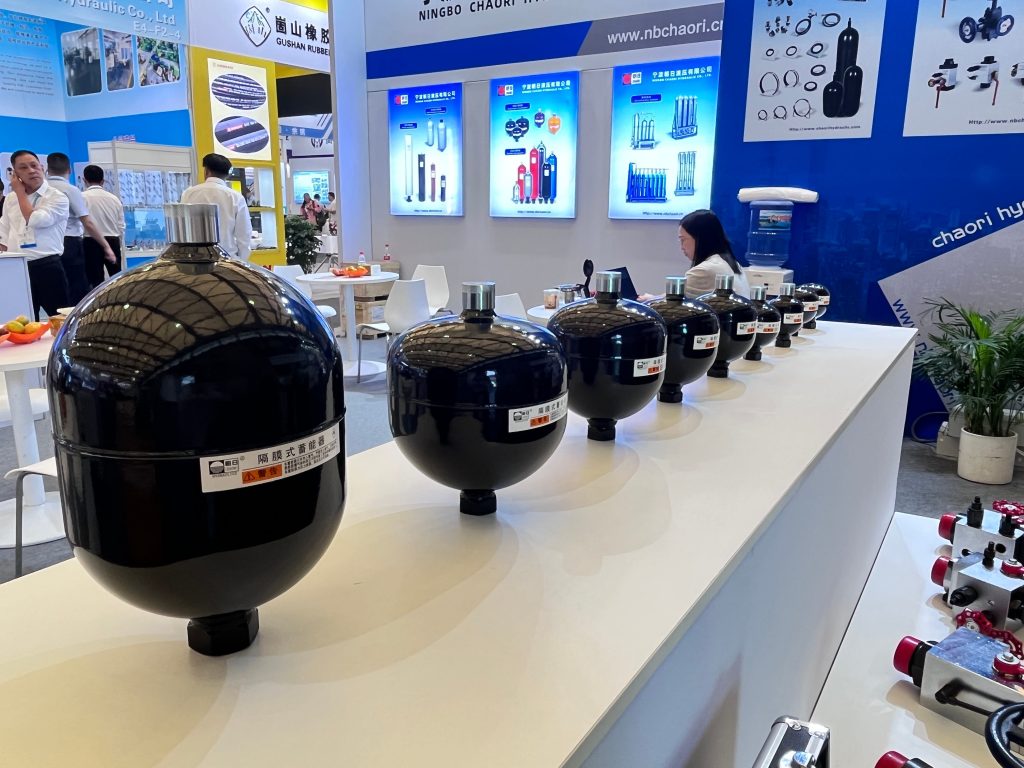
Bladder Accumulators
A bladder accumulator consists of a robust outer shell and an internal flexible bladder, which serves to isolate the hydraulic fluid from the gas. Typically, nitrogen is the gas utilized. When the system requires additional power, the gas rapidly expels the fluid. Bladder accumulators are widely employed in the aerospace sector due to their exceptional operational efficiency—ensuring rapid response in landing gear and braking systems—as well as their superior ability to handle sudden pressure fluctuations, ease of maintenance, and outstanding operational reliability.
Tip: The bladder accumulators manufactured by Ningbo Chaori Hydraulic offer exceptional energy storage capabilities, effectively contributing to the smooth and seamless operation of your aircraft.
Piston Accumulators
Piston accumulators utilize a piston to separate the fluid from the gas. This piston moves within a cylindrical tube, enabling the accumulator to store larger volumes of fluid, dampen severe fluctuations in fluid flow and pressure, and withstand higher operating pressures. Piston accumulators are frequently employed in aircraft applications that require the delivery of large fluid volumes or operation within high-pressure environments; they help compensate for fluid losses caused by system leakage, thereby maintaining pressure stability.
They are capable of storing energy to address emergency situations—such as the failure and shutdown of the main hydraulic pump.
Diaphragm Accumulators
Diaphragm accumulators utilize a thin, flexible diaphragm to separate gas from fluid; they serve to dampen pressure fluctuations within flight control systems and provide auxiliary support for landing gear and other critical components. Compact and lightweight, these accumulators are ideally suited for installation within the confined spaces of an aircraft—a characteristic that proves particularly advantageous when the accumulator’s mounting location is difficult to access.
Compared to other types of accumulators, diaphragm accumulators require less maintenance; consequently, they are frequently deployed in systems that demand rapid response capabilities combined with minimal maintenance requirements.
Note: Ningbo Chaori Hydraulic manufactures all three types of accumulators suitable for modern aircraft. You may select the model best suited to the specific requirements of your aircraft.
FAQ
What does a hydraulic accumulator do in an aircraft?
A hydraulic accumulator stores energy for your aircraft. It helps maintain stable system pressure and provides backup power for the landing gear and braking systems, ensuring smoother aircraft operation and offering you enhanced safety protection.
Why is hydraulic pressure important in airplanes?
Hydraulic power enables you to effortlessly move heavy components. It is utilized in landing gear, braking systems, and flight control systems. If hydraulic pressure is unstable, your aircraft will be unable to operate normally or safely.
How often should you check a hydraulic accumulator?
Regular inspections help ensure the safety and proper operation of the hydraulic system. Before every flight, you must inspect the hydraulic accumulator; pay close attention to any leaks or low pressure.
Can a hydraulic accumulator help in emergencies?
Yes. If the main pump ceases operation, the hydraulic accumulator will provide emergency power, and the backup system ensures that you can properly utilize the brakes and landing gear during critical moments.
What types of hydraulic accumulators are used in aircraft?
They are primarily classified into three types: bladder, piston, and diaphragm. Each type is designed to perform optimally in addressing the specific requirements of your aircraft. You can select the appropriate type based on the scale of the system, the required pressure levels, and the available space.