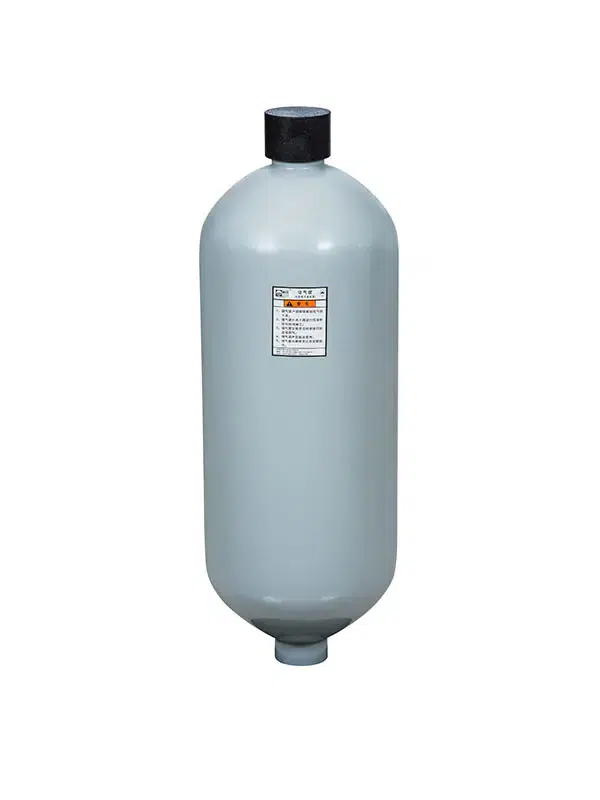
Most cars are equipped with a hydraulic accumulator, which is usually an important part of the air conditioning system. It is located between the evaporator outlet and the compressor intake, although the exact location may vary depending on the car model or system design. Knowing its location helps to pinpoint the problem when it occurs and also makes maintenance easier.

Key Takeaways
- Hydraulic accumulators are typically located in air conditioning systems, between the evaporator outlet and the compressor intake.
- In a car, an accumulator is usually a round or cylindrical metal canister connected to two or three hoses.
- Regularly checking the accumulator helps detect problems early, ensuring the air conditioning system and clutch function properly. Always prioritize safety when checking the accumulator. Wear safety equipment and follow the correct procedures to avoid accidents.
- For more detailed information about accumulators, please refer to your vehicle’s owner’s manual. The manual will tell you the location of the accumulator and how to maintain it.
Hydraulic Accumulator Location in Cars
A/C System Placement
Most automotive air conditioning systems have a receiver-dryer located between the evaporator outlet and the compressor intake. This receiver-dryer is typically round or cylindrical and easily identifiable. It usually connects to two or three pipes, facilitating the safe and smooth flow of refrigerant within the air conditioning system.
Open the hood; you might find the receiver-dryer near the firewall or on the passenger side of the engine compartment. Hydraulic accumulators, on the other hand, are generally installed on the high-pressure side of the hydraulic circuit to which the vehicle’s air conditioning system is attached. They are usually located on the main pressure oil line near the hydraulic pump outlet and connected to the system in parallel. In specific configurations, they are often located between the hydraulic pump and the hydraulic actuator (such as a hydraulic motor) that drives the air conditioning compressor. They are in a critical position where pressurized oil is delivered from the power source but before entering the load, allowing for timely responses to pressure changes during system operation. Sometimes, you may also see a service port or pressure switch on the receiver-dryer. These components can help you locate the accumulator in the air conditioning system.
Other Possible Locations
You might also see accumulators in other hydraulic systems, but they are not common in most passenger cars. Some specialized vehicles, including construction machinery and some advanced automotive designs, use hydraulic accumulators in their braking or suspension systems. In these systems, the accumulator stores energy and helps control pressure; in the braking circuit, it can enhance braking performance and maintain a constant braking distance.
Other vehicles use accumulators in anti-lock braking systems (ABS) and hybrid braking systems to quickly provide braking pressure when needed. You might also see accumulators in the clutch systems of heavy-duty vehicles, which help the clutch work better by storing and releasing hydraulic pressure.
Of course, in some off-road vehicles, accumulator cylinder can also assist the suspension system in absorbing shocks and making the ride smoother.
Not all hydraulic systems are equipped with accumulators; be sure to check your vehicle’s manual to find out the location of the accumulator in your car.
Accumulator Location Variations
Differences by Vehicle Type
The location of the accumulator may vary depending on the vehicle model. Gasoline cars typically have the accumulator installed in the air conditioning system, near the evaporator and compressor. The location of the accumulator in hybrid vehicles may differ. Some hybrid vehicles use hydraulic accumulators in their braking systems to store energy for enhanced braking performance. Electric vehicles sometimes use accumulators in their suspension or clutch systems. You may find the accumulator near the battery or under the floor.
Tip: Consult your vehicle’s manual for the accumulator’s location. Car manufacturers may change the accumulator design every year.
System-Specific Placement
The location of an accumulator varies depending on the system it serves. In most passenger cars, the accumulator is part of the air conditioning system and looks like a metal canister with pipes. In heavy vehicles, the accumulator may be located in the braking system to ensure the safety and effectiveness of the brakes. Some trucks and buses use hydraulic accumulators in their clutch systems to store pressure and help the clutch function properly. In off-road vehicles, the accumulator may be located in the suspension system to absorb shocks and make the ride smoother. Some rarer models have the clutch accumulator mounted near the transmission. Some vehicles also have multiple accumulators for different systems. Large trucks often have clutch accumulators to improve handling.
The specific location of the accumulator depends on your vehicle model and the systems it serves.
Identifying the Hydraulic Accumulator
Visual Features
You can find the accumulator by looking for a metal canister. It’s located in the engine compartment of the car, standing upright, and is round or cylindrical. You’ll see two or three pipes connected to it, which connect the accumulator to other components. There’s usually a service port or pressure switch on top of the accumulator, and some cars will also have a label that says “Accumulator” or “Hydraulic Accumulator.” You might find the accumulator near the firewall or on the passenger side. In some cars, it’s near the clutch system or accumulator circuit.
Here is a simple table to help you spot the accumulator:
| Feature | What to Look For |
|---|---|
| Shape | Round or cylinder canister |
| Connections | 2-3 pipes or hoses |
| Labels | “Accumulator” or “Hydraulic” |
| Location | Near firewall, A/C, or clutch |
| Extra Parts | Service port, pressure switch |
Tip: If you see a metal canister with hoses near the clutch, you probably found the clutch accumulator.
Functional Clues
An accumulator’s function is to store and release hydraulic pressure. In an air conditioning system, it prevents liquid refrigerant from entering the compressor. In a clutch system, the accumulator helps the clutch function properly. You might feel the clutch pedal is stable and easy to press down; this is because the clutch accumulator stores pressure first and releases it when you press the clutch. If your car has a hydraulic clutch, your vehicle’s accumulator is located near the clutch master cylinder because its placement allows the accumulator circuit to quickly transfer pressure to the clutch.
When you press the clutch pedal, you might hear a slight hissing or clicking sound. This sound indicates that the clutch accumulator is working properly. If you notice a leak or feel a lack of power in the clutch pedal, the accumulator may need repair. Be sure to consult your vehicle’s manual to find the exact location of the accumulator and use these clues to help you locate it in the hydraulic system.
Safe Access and Inspection Tips
Safety Precautions
Always exercise caution when operating accumulators. Accumulators store hydraulic fluid. Improper operation can cause injury. Always release the pressure in the accumulator before starting any work. Follow the manufacturer’s instructions to shut off the accumulator and open the pressure relief valve. Only trained personnel should release pressure. Allow the system to cool down before touching the accumulator. Hot liquids can burn the skin.
Always wear gloves, safety glasses, and protective clothing when inspecting the accumulator. This equipment helps protect your safety. Never check for leaks with your hands. Use cardboard or a wooden board to check for leaks in the accumulator circuit. Keep away from the clutch and accumulator interface when releasing pressure. Ensure no one is near moving parts. Accidents can occur if you ignore safety rules or are unaware of the risks of installing accumulators. Many workers do not discuss hydraulic accumulators in safety meetings, which can easily lead to injury. Always adhere to OSHA safety standards to ensure your safety.
Tip: Following safety rules and wearing appropriate equipment can prevent most accidents.
Inspection Steps
You can inspect your car’s accumulator with careful attention. First, ensure the hydraulic system pressure is zero. Check for leaks near the accumulator and clutch lines. Shine a flashlight on the hoses and connections. If you see fluid or hear a hissing sound near the clutch, the accumulator may need repair. Check that the accumulator is securely installed. Inspect the accumulator body for rust or damage.
Test the clutch pedal to check for smoothness. If the pedal feels weak or stuck, the accumulator may not be working properly. Check that the fluid flow in the accumulator circuit is normal. If you find a problem, consult your car’s manual for further steps. Some cars have specific methods for checking the clutch and accumulator. If you are unsure, consult a professional mechanic.
Note: Always refer to your car’s manual and consult a professional mechanic when inspecting the accumulator or clutch system.
FAQ
Where can you find the accumulator in most cars?
You usually find the accumulator in the A/C system. It sits between the evaporator outlet and the compressor suction port. Some vehicles place it near the firewall or on the passenger side of the engine bay.
How do you know if your clutch accumulator needs service?
You may notice the clutch pedal feels soft or hard to press. You might hear strange noises when you use the clutch. If you see leaks or the pedal does not work smoothly, you should check the clutch accumulator.
Can you drive with a faulty clutch accumulator?
You should not drive if the clutch accumulator is faulty. A bad clutch accumulator can make shifting gears hard or unsafe. You risk damaging other parts if you ignore the problem. Always fix the issue before driving.
What tools do you need to inspect the accumulator?
You need gloves, safety glasses, and a flashlight. Use a piece of cardboard to check for leaks. Always follow your car manual for the right steps. If you check the clutch accumulator, make sure the system has no pressure.
Does every car have a clutch accumulator?
Not every car has a clutch accumulator. Most manual transmission cars with hydraulic clutches use one. Automatic cars do not need a clutch accumulator. Always check your car manual to see if your vehicle uses this part.