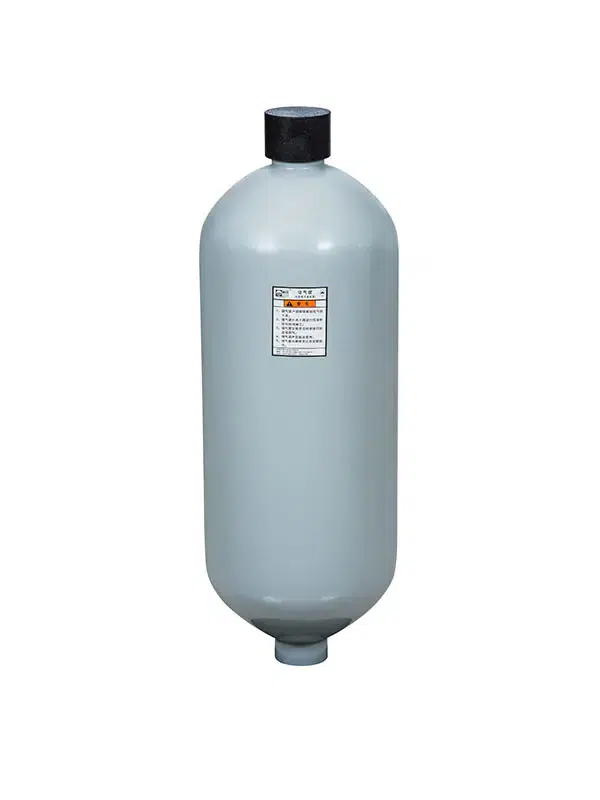
Choosing the right accumulator for your hydraulic system depends entirely on your specific operational requirements. At Chaori Hydraulic, we are committed to providing you with trusted, high-performance solutions tailored to your real-world needs. To help you make an informed decision, here is a breakdown of our primary product offerings:
- Bladder Accumulators: Known for their fast response times and ease of maintenance, these are the ideal choice for demanding environments in the oil, gas, and construction sectors.
- Piston Accumulators: Engineered for high energy storage and exceptional durability, these units are perfectly suited for heavy-duty industrial applications and complex mobile hydraulics.
- Diaphragm Accumulators: Featuring a compact, space-saving design, these provide a highly cost-effective solution for energy storage and various automotive applications.
Regardless of your system’s complexity, Chaori Hydraulic has the expertise to match you with the right product. Choose Chaori Hydraulic to ensure your system performs at its peak.
Tip: If you are posting this on a website or a brochure, I recommend bolding the product names to improve readability and help search engines better index your key offerings.
Accumulator Types Compared
Bladder vs. Piston Overview
You may ask how bladder and piston accumulators compare. Bladder accumulators have a strong rubber bladder inside. This bladder keeps gas and hydraulic fluid apart. They react quickly and are easy to fix. Piston accumulators use a piston that moves in a cylinder. This gives you good energy control and strong sealing. You can use them for both low and high pressure. Many manufacturers pick bladder accumulators for tough jobs like presses. Piston accumulators are great in factories that need less vibration for careful machines.

Here’s a quick look at their differences:
| Feature | Bladder Accumulator | Piston Accumulator |
|---|---|---|
| Internal Structure | Bladder separates gas/fluid from hydraulic fluid | Piston separates gas/fluid from hydraulic fluid |
| Construction | Compact, reinforced rubber bladder | Cylinder with moving piston |
| Operation | Bladder expands/contracts to store energy | Piston moves to store energy |
| Applications | High-pressure, space-constrained systems | Precision, light industry, construction machinery |
| Pressure Rating | Higher pressure rating | Wide range, customizable |

Diaphragm Accumulator Basics
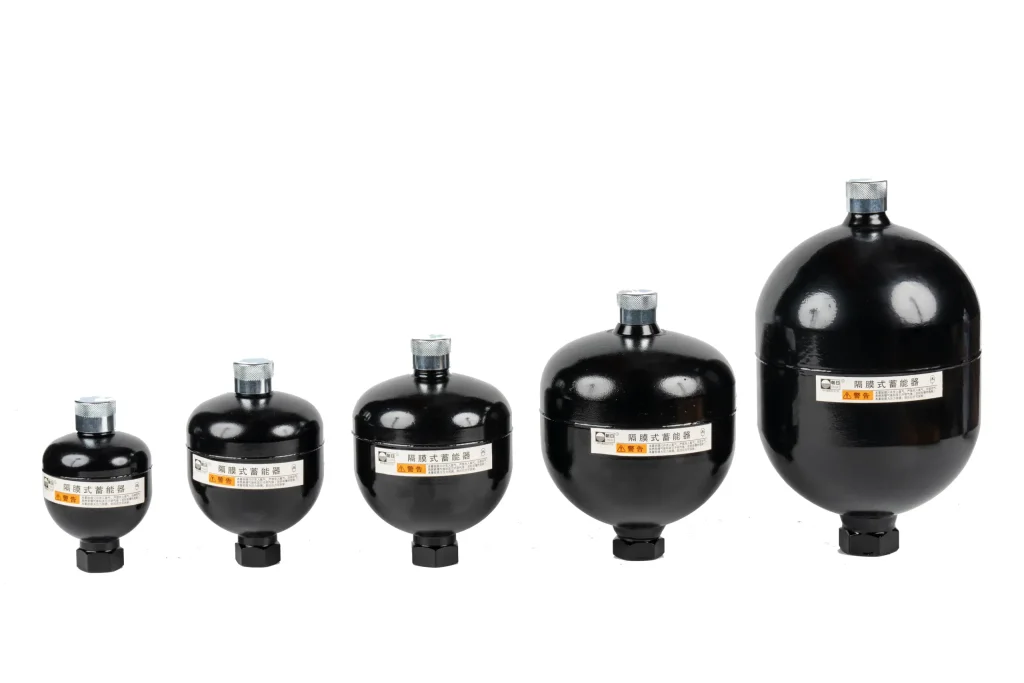
Diaphragm accumulators have a flexible diaphragm inside. This splits the accumulator into two parts. The design is small and fits big hydraulic systems easily. They give steady performance and keep energy in one place. Suppliers suggest diaphragm accumulators for cars and energy storage. Chaori Hydraulic’s diaphragm accumulators can be changed to fit your needs. They are simple to install.
| Accumulator Type | Key Features | Applications |
|---|---|---|
| Bladder Accumulator | High-capacity, handles high pressures, long service life | Hydraulic presses, oil, gas |
| Piston Accumulator | Small, sensitive, excellent sealing | Precision equipment, light industry |
| Diaphragm Accumulator | Integrated, customizable, compact design | Large-scale hydraulic systems, automotive |
Tip: If you work with square bales or need a 10 bale accumulator, check which accumulator fits your hydraulic system best. Each type helps you move bales easily in factories and wholesale places.
Bladder Accumulator Pros & Cons
Performance & Response
Bladder accumulators work well when you need fast action. They have a rubber bladder inside that moves quickly when pressure changes. This makes them great for tough jobs, like presses or servo systems. Every second matters in these jobs. Bladder accumulators are faster than piston types. They do not have metal parts that move. Some systems need a response time under 25 milliseconds. Bladder accumulators can do this easily.
- Bladder accumulators respond faster than piston types.
- They do not have moving metal parts.
- Some systems need a response time under 25 milliseconds.
- Bladder accumulators handle this without trouble.
Here are the main things to check for performance:
| Metric | Description |
|---|---|
| Operating Pressure | Pre-charge should be 80% to 90% of the lowest system pressure. |
| Capacity | Make sure it matches your hydraulic flow needs. |
| Bladder Material | Pick the right material for your fluid and temperature. |
| Energy Storage | Choose the right size and pressure rating for your energy needs. |
Durability & Maintenance
You want your equipment to last a long time. Bladder accumulators from Chaori Hydraulic are strong and last in tough places. They have ISO9001 certification. This means you get good quality. Here are things to check to keep your accumulator working well:
| Maintenance Task | Description |
|---|---|
| Check nitrogen pre-charge pressure | Make sure it stays at the right level. |
| Monitor for gas and oil leaks | Look for leaks to protect your system. |
| Ensure bladder integrity | Inspect for any damage or wear. |
Cost Factors
Picking the right size and pressure rating saves money. It also makes your system work better. If you pick a bladder accumulator that is too small, you will not get enough energy storage. If it is too big, your system may slow down. Always match the accumulator’s capacity to your hydraulic flow. This helps you get the best performance and value for your money.
Tip: Chaori Hydraulic’s bladder accumulators are trusted by many factories and suppliers. They are reliable and easy to take care of.
Piston Accumulator Pros & Cons
Pressure Range & Efficiency
You need an accumulator that works with many pressures. Piston accumulators can handle both low and high pressure. They work well in different hydraulic systems. You can rely on them for steady performance. Even if your factory needs change, they still work well. Piston accumulators use a piston to keep gas and fluid apart. This design gives you good control. It stops gas from mixing with hydraulic fluid. You can put them in many places. This helps if space is small or your setup is special.
- Gas and fluid stay separate
- You can install them in different ways
- They are strong for tough places
Service Life & Customization
Piston accumulators from Chaori Hydraulic last a long time. They can go through more than one million cycles. You can pick the size, volume, and pressure you need. Manufacturers like this because it means less downtime. It also gives more value. Here is what you can change:
| Feature | Details |
|---|---|
| Piston Sizes | Ø80mm – Ø660mm |
| Volumes | 0.5L to 1,800L |
| Working Pressure | 350bar (higher on request) |
| Working Temperature | -30ºC to +80ºC |
| Design Durability | Over 1 million cycles |
| Seal System | Made for reliability |
| Integration | Self-supporting modules |
You can also pick special materials and ports. This helps match your hydraulic system.
Application Suitability
Piston accumulators work in many industries. You see them in oil, gas, steel, cars, ships, chemicals, medicine, building, mining, and power plants. If your factory needs strong energy storage and high pressure, these accumulators are good. Chaori Hydraulic’s piston accumulators meet strict quality rules. You get trusted performance every time.
Note: Piston accumulators are smart for tough jobs and custom setups. They help your equipment run well, even when things get hard.
Head-to-Head: Key Factors
Performance in Industry
You want your hydraulic system to work well. Let’s see how each accumulator does in real life. Bladder accumulators react fast and keep pressure steady. You find them in factories where safety is important. They help control leaks and keep pressure stable. This lets you move bales quickly. That matters for people who handle lots of bales every day.
Piston accumulators are good for careful energy control. They work for both low and high pressure jobs. You can use them in construction or mobile machines. They also help keep vibration low. If you run a factory, you know steady performance is important. Piston accumulators help machines run without sudden stops.
Diaphragm accumulators are best where cycling and contamination happen a lot. They last longer in tough places. If you work with energy storage or cars, you will see how diaphragm accumulators handle pressure changes. They keep your system safe.
If you need to move bales in a busy factory, pick the accumulator that fits your pressure and speed needs. You will get better performance and less downtime.
Maintenance & Reliability
You want to spend less time fixing things. Let’s compare how much work each accumulator needs:
| Accumulator Type | Maintenance Requirements | Notes |
|---|---|---|
| Bladder | Regular checks on bladder condition | Simple maintenance but requires monitoring |
| Piston | Less frequent but complex procedures | Needs periodic seal inspection and replacement |
| Diaphragm | Varies, influenced by pre-charge pressure | Can affect total ownership cost |
- Bladder accumulators need you to check the bladder often. This helps you spot leaks or wear before they cause problems.
- Piston accumulators need fewer checks, but you must replace seals or parts sometimes. The good thing is you can fix them in the field. You do not need to buy a new unit. This saves time for factories and suppliers.
- Diaphragm accumulators have different needs. You must watch the pre-charge pressure. If you don’t, you might pay more later.
You should check all accumulators at least once a year. Some checks, like hydrotesting, happen every five years. If you keep up with these tasks, your equipment will last longer and work well.
Tip: Chaori Hydraulic’s accumulators are made to last. You get products that work well and worry less about breakdowns.
Cost for Manufacturers
Cost is important for factories and suppliers. You want the best value for your money. Here’s how the main types compare:
- Bladder accumulators cost less to maintain. You can spot problems early with regular checks. Most repairs do not need special tools.
- Piston accumulators may cost more to fix, but you can replace parts instead of the whole unit. This lowers your total cost over time. It helps if you handle lots of bales or run a busy system.
- Diaphragm accumulators have costs that change based on how you use them. If you manage pre-charge pressure well, you can keep costs down.
Here’s a quick table to help you compare:
| Accumulator Type | Upfront Cost | Maintenance Cost | Ownership Cost Over Time |
|---|---|---|---|
| Bladder | Medium | Low | Low |
| Piston | High | Medium | Medium |
| Diaphragm | Low | Varies | Varies |
If you run a factory or supply parts, you want to balance price with savings over time. Chaori Hydraulic helps you do this with quality products and support.
Application Guidance
Picking the right accumulator can be hard. Here’s a simple guide to help you choose what works best:
- Check your pressure needs. If you need fast action for moving bales, pick a bladder accumulator.
- If you want careful control and long life, piston accumulators are best. They work well in factories, construction, and places where you need to move bales carefully.
- For energy storage or car jobs, diaphragm accumulators are compact and easy to install.
You should also look for trusted suppliers. Chaori Hydraulic stands out with top certifications:
| Certification | Significance |
|---|---|
| ASME | Meets American safety standards |
| CE | Follows European safety rules |
| ISO 9001 | Uses strong quality management systems |
Chaori Hydraulic is known as a leader in the hydraulic industry. You get products that meet strict rules and give steady performance. If you need help, their team can guide you to the right accumulator for your bales, factory, or wholesale needs.
Note: Always match your accumulator to your real needs. This helps you get the best performance, save money, and keep your equipment safe.
Choosing the Right Accumulator
Decision Guide
You want to find the best accumulator for your hydraulic system. First, check what pressure and flow you need. Think about how many bales you move each day. If you run a factory or supply parts, look at how often your equipment works. Here is an easy guide:
- Write down your hydraulic pressure and flow needs.
- Count the number of bales you handle in one cycle.
- Pick the accumulator type that fits your speed and energy needs.
- Check the space in your factory or mobile equipment.
- Ask your supplier about certifications and support.
Chaori Hydraulic gives you help with picking. You get advice from experts and many accessories.
Common Use Cases
Factories use accumulators to move bales fast. Suppliers depend on them for steady energy storage. You see them in hydraulic presses, construction machines, and mobile equipment. Wholesale buyers want accumulators that work well for big bale jobs. If you work in farming, you need quick response to keep bales moving. In steel mills, accumulators protect machines from shocks.
Tip: Make sure your accumulator matches your hydraulic system and bale needs. This keeps your work running smoothly.
Special Considerations
You need to think about special needs. Manufacturers should check if accumulators fit with their hydraulic circuits. Custom designs help make things work better and help with maintenance. Environmental rules are important, so pick advanced materials and energy recovery. High temperatures and duty cycles change how mobile equipment works. Set precharge pressure 10% below the lowest working pressure.
Chaori Hydraulic offers:
- Nitrogen charging kits for accurate gas pre-charging
- Pressure monitoring gauges
- Safety relief valves
- Strong brackets
- Safety shut-off blocks
- Flexible hose adapters
- Tough clamping bands
- Protective coatings
These accessories make installation and maintenance simple. You get trusted support from Chaori Hydraulic.
You need the best accumulator for your hydraulic system. Bladder accumulators are good if you move bales quickly. Piston types are better for careful bale handling. Diaphragm designs work well for storing energy. Chaori Hydraulic has certified products and expert help. You should ask your supplier for advice about hydraulic bale solutions.
FAQ
What makes Chaori Hydraulic accumulators reliable for manufacturers and suppliers?
You get products with ISO9001, ASME, and CE certificates. Chaori Hydraulic’s accumulators work well and last a long time. They are good for factories, wholesale buyers, and suppliers.
How do I choose the right accumulator for my factory?
- Find out your system’s pressure and flow needs.
- Pick the accumulator type that fits your job.
- Ask Chaori Hydraulic for help from their experts.
Can I customize an accumulator for special industrial requirements?
You can ask for special sizes, materials, and accessories. Chaori Hydraulic helps manufacturers and suppliers with custom solutions for different factory needs.